A Pipe Is Chosen by Its Paperwork: What a Town Checks Before Buried Lines Are Bought
A federal permitting debate does not replace the specification, certification, delivery, and trench checks that decide whether new water main performs.
Covering the water that covers the Midwest
Infrastructure
The pipes, tanks, and plants underneath Midwest water service.
A federal permitting debate does not replace the specification, certification, delivery, and trench checks that decide whether new water main performs.
A utility can watch its pumps closely and still be unsure where its water travels, so the underground map deserves the same scrutiny as the screen in the pump house.
A winter night can leave a remote pump house without anyone nearby, so the call list, the login holder, and the written record need to be settled before the first hard freeze.
Storm readiness starts in the pump pit and the basement drain rather than at the treatment plant, and the questions raised by a current coastal flood story apply to inland towns too.
A pump company's acquisition headline is a reason to check your own records, not evidence that your water system has changed.
A new national fund aimed at small and rural water systems shows how layered financing is assembled, and what a town board should ask before any loan or grant reaches its agenda.
A recent lawsuit over heat in a Florida prison is a reminder that a building's temperature also changes the water that moves through its pipes, and that readers can ask about it.
Monitoring a town's tanks and pumps is an ongoing service with its own calendar, and a board should read that calendar before it reads the screen.
A water headline is only as wide as the lake, budget year, or pump it measures, so check those edges before deciding what it means for your own tap.
A tank that looks full can still hold less usable water than residents assume, so it helps to ask what each part of the storage volume is set aside to do.
A summer of rising pump run time can point to a leak, wear, or ordinary demand, and a trend line can raise the right question before an alarm does.
Water that lingers in a dead-end line changes slowly out of sight, so a town can ask its utility how it tracks that before a complaint arrives.
Cleanup money for a lake or river has to reach the land, roads, and ditches that feed it, not only the treatment plant at the end of the pipe.
Control panels began by starting and stopping pumps, and the history of that change explains why a town board now needs to ask about its records as well as its equipment.
A Senate-passed energy bill makes headlines, but a town water project still moves through the permits its own agencies issue, so start by listing them.
A water question on the ballot is only as clear as its verb, its dollar limit, and the schedule behind it, so read those before deciding how to vote.
A federal bill described as removing environmental and legal guardrails reaches local water work through permits, public notices, and records, so towns should know which steps they actually have.
A federal fast-track debate is loud, but a town's water supply still depends on capacity, peak demand, and what leaves the building as wastewater.
A completed ownership change at an equipment supplier is a reason to update a town's pump records, not a reason to assume anything about the machines already in the building.
Automation once meant starting and stopping equipment, but today's water systems also produce a steady view of their own condition, and a town board should know who can see that view and who acts on it.
A tank level or pump status is only as useful as its timestamp, and town boards can ask simple questions about how old the numbers they see really are.
A vote can change water priorities, but the permits, budgets, and sampling calendars that shape a town's water system keep their own schedules.
Live readings on a utility screen are useful, but a town keeps its water history only if the records stay readable after the people who set them up have moved on.
Automated controls can flag a problem in seconds, but a signal only protects a town when someone is assigned to read it, act on it, and write down what happened.
A new microplastics report can shape future science without changing what a town's water report lists this year, so it helps to know where that line sits before reading the headlines.
A bipartisan energy permitting bill now heads to the House, and Midwest readers can learn to tell a passed review step from a finished project.
A delayed detonation in southeastern Iowa is a schedule change, and the notices that follow are where a careful reader can check what moved and what did not.
A reposted lake cleanup story can pass through several publishers and bylines, so Midwest readers should trace the original reporting before repeating its figures.
Before a microplastics number reaches a council packet, the size cutoff, the sample point, and the lab method decide what it means for a Midwest town.
A new national report sets out what scientists still need to learn about microplastics in water, and a list of research priorities is a different thing from a standard your town must meet.
An announced amount marks the start of a schedule, and Midwest readers can follow the steps between a press release and a repaired main.
A $12 million announcement in Arkansas is a useful starting point for asking who pays for the rest of a water project and how that answer reaches a household bill.
When a funding announcement promises better infrastructure and efficiency, the first useful question is which point in the system the numbers describe.
A funding announcement starts a replacement program, but the order of street work comes from inventory, condition, and coordination, and residents can track each step in public records.
A funding announcement for water efficiency is easier to judge once you separate the water a utility produces from the water it bills, and find which loss line the project is meant to move.
A $12 million earmark for a city's water system is the start of a paper trail, and Midwest readers can follow it from the press release to the trench.
A call for conference speakers lists the subjects the water finance field expects to be hard, and a reader can use that list to check the plans on their own town's agenda.
A support statement from a water industry group and a regulator's resolution are different kinds of records, and a Midwest reader can sort them before passing either one along.
A weather story about waterspouts is a useful prompt for Midwest readers to separate the water in the sky from the water their town actually supplies.
A boil water notice usually ends only after a utility, a laboratory, and a health agency agree on the record, and households can check each step themselves.
Dramatic weather stories travel far, but the messages that matter for your tap come from your water provider, so it helps to know which channel carries which information.
Before a council debates plant upgrades, residents can learn how their own storm drains carry rain, and whatever it picks up, toward the nearest lake or river.
A national resolution on water cybersecurity can sound like a new requirement, so Midwest readers should check what kind of document it is, how it travels, and what the local record shows before assuming anything has changed.
Before a national take on water and the November 3 election reaches your council agenda, check its claims against the documents your town already publishes.
Before a campaign promise about water earns applause or doubt, Midwest residents can match it to the office that would carry it out and the document that would prove it.
A yes vote on water sets a direction, but the budget line, the dated next step, and the public record decide whether a Midwest town gets anything built.
A recent resolution from state utility regulators has put cybersecurity on the table, and a Midwest reader can test a local water system's readiness with a few plain questions.
Once advanced metering infrastructure is installed, the useful questions move from the hardware to who can see the readings, how long they are kept, and what a resident can ask for.
The topics a water finance conference wants speakers to cover match the decisions a Midwest council makes every year, so residents can use them as a checklist.
A ribbon cutting tells a town that work happened, while a measurement tells it whether the system actually changed, so readers should learn to ask for both.
A current call for speakers at a water finance conference lists the money topics that show up in local rate and budget debates, and each one can become a plain question for your utility.
Pumps, blowers, and treatment equipment run on electricity, so a water customer can learn a lot by asking where that power comes from and what it costs.
A new emissions study is a reminder that a large computing facility reaches a town's water planning through the electric grid as well as through its pipes.
A Senate energy bill that would speed up approvals for power plants and datacenters raises a practical question for Midwest readers: who authorizes the water those projects use, and where they can read that record.
Backflow assemblies protect the public supply from water inside a home, and the testing paperwork is where many Midwest households lose track of them.
Storm waves on the Pacific coast are a reason for Midwest towns to ask where their intakes, low-lying mains, and rough-weather plans sit before high water arrives.
A national interview on the rise of water violence raises questions that Midwest towns can answer with plans and records they already have.
Smart meter data helps a household most when it is read as a daily pattern rather than a monthly total, and a few simple checks can separate a leak from normal use.
A report on water as a target in distant conflicts gives Midwest towns a useful prompt to ask how their own supply would keep running if an interruption came from something other than weather or age.
Advanced metering can cut manual reads and flag leaks sooner, but the value depends on who reviews the data and what happens next.
Water systems stay reliable through backup equipment, stored water, and agreements with neighbors, and residents can ask their own utility how those pieces fit together.
A connected water meter can flag a leak sooner, but the repair depends on where the pipe runs, so learn your utility's line before a notice arrives.
Smart water meters bring real gains to utilities, and each connected meter also adds a network path that a town should be able to explain before questions about access arise.
A Great Lakes weather report raises a practical question for towns that draw water from the lake: how to keep intake inspections on the plant's schedule while still reacting to storms.
Short water stories can tell you where to look, but they rarely show what a Midwest utility is doing, so check what kind of item you are reading before it changes your plans.
Advanced meters produce readings every hour, so the lasting cost of a metering project is the staff, software, and budget that decide what those readings mean.
Before a town decides what to do about a shutdown, it helps to sort the cause into one of three broad groups, because each group calls for a different response.
When an experienced water policy hire joins an agency, the harder question for any utility is whether the reasoning behind its past decisions can still be found after its staff change.
Automated meter reading removes a trip from the schedule, but the walk also caught conditions a reading cannot record, so towns should ask who keeps that work going.
Smart meters can cut the need for meter route walks and help catch leaks sooner, but the benefit depends on who reads the data, what they do with it, and whether customers can see it.
Broad climate questions reach Midwest water systems through water quality, cost, and aging pipes, and each one needs a specific local decision to land on.
A senior policy hire at a large water agency shows Midwest readers where rules and rate explanations get written, and small towns can ask the same question of their own boards.
Public invitations for questions reward residents who arrive with a specific document and a specific decision in mind, and water questions work the same way.
A manufacturer's ownership change is a company-level event, while the reading on your bill still depends on the meter at your address, your utility's records, and the dated readings you keep.
A single gallons-per-day figure describes what a treatment plant is built to handle at its limit, so Midwest residents need to ask how that number relates to an average day, a peak day, and the storage that covers the gap.
A finished plant upgrade opens a short list of questions for residents, and public records can answer most of them.
A cut supply, a flooded intake, or a lost power feed tests a water system differently than a broken main, and the questions that matter can be asked before anything goes wrong.
A federal funding cliff reaches a water system's building budget and its daily budget at different speeds, and a resident can learn to tell them apart before the next vote.
Before a rating change reaches your water bill, it passes through bond documents, board packets and rate studies, and each step leaves a record a resident can read.
A backup in the yard starts a paper trail, and a clear log of which side of the line failed helps any town crew decide where to start, whether or not outside money is flowing.
A national interview on water violence offers a useful frame for spotting slow strain in a Midwest town before families start leaving.
A community water report answers a narrow question about last year's tap water, while the funding debate asks a different one about the repairs still ahead.
Monitoring software can flag a sewer problem early, but a flag is a reason for a crew and a council to look, not a finished diagnosis.
A federal cash infusion can end while state loan programs keep running on repayments, and understanding that loop shows what a town's water project can still count on.
The end of a federal water boost does not erase a state priority list, so a town should know where its project sits on that list before the next funding round arrives.
A dam's condition is only half the question, and the other half, who lives downstream, is usually recorded on paper before any water moves.
Water moves by pressure rather than by town boundaries, so the line between one neighborhood's taps and another's often sits in a valve box that most residents never see.
Before a pipe replacement reaches a council agenda, find where the utility's responsibility ends and where your property begins.
Connecting two water systems takes more than a valve and a pipe, and the paperwork matters most when the money for upkeep is uncertain.
When a federal boost expires, the first casualty is often a design that was never finished, not a pipe that was already in the ground.
When a one-time federal infusion for water construction runs out, the most useful budget question is which costs the boost never paid for in the first place.
A federal funding cliff is a date on a calendar, but a town's chances at the next window depend on the capital list and asset records it keeps today.
A water authority's independence shows up in where its rate dollars go, so residents can check transfers, bond promises, and board minutes instead of relying on the label.
A short, dated record of every service interruption, whatever caused it, turns a bad day into information a board can actually use.
A Circle of Blue interview on water violence is a reason to check the physical links that carry your supply, not a reason to panic about them.
A recent interview on water attacks in war zones gives Midwest towns a useful prompt to separate deliberate threats from the everyday failures they already plan for.
A recent Circle of Blue interview on rising water violence is a reminder that water systems can be disrupted by more than age and weather, and the planning that protects a town from either starts with the same questions.
A public water system depends on rules that most residents never read, and knowing where those rules sit is the first step to seeing who really decides.
A national funding headline and a Senate permitting vote reach a Midwest trench only after they pass through the seasons, the bid calendar, and the local capital plan.
Federal permit reviews and local water service decisions run through separate doors, and a Midwest resident who knows which door is which can follow a datacenter proposal from the start.
Award notices and funding trackers are written for people who buy, sell, or finance water work, so a resident should read them as pointers to local records.
A free online water training program can give a small crew shared vocabulary, but hands-on skill still needs a mentor, a written record, and a plant to practice on.
A Senate advance on energy project approvals does not name water plants, but the power contract behind every pump is a question a town can answer locally.
A utility's service line inventory tells you what your pipe is made of, and it leaves much else unsaid, which matters more as federal help for replacement shrinks.
A procedural vote on infrastructure is a step in a longer process, and Midwest readers can check where that step leads before they repeat a headline about it.
A federal speed-up for big projects helps a town's water main only if the main needs that kind of permit, so check which approvals your project actually requires.
A single award headline can name two companies, and knowing why helps Midwest readers follow who is accountable for a treatment upgrade.
A free online water course can help a new operator start, but a town should confirm that the credential and the hours meet its own state's rules before the trainee signs a single log.
A contract announcement names a winner and a price, but the plant only works after several stages that most readers never see.
A hydrant running onto the street is usually planned maintenance that keeps the water in your mains fresh and clear, and knowing the reason helps you read the notice when it arrives.
Remote-read meters tell a utility when and how much water a home uses, so residents should know where that record goes and who can see it before their town accepts one.
A national letter to Congress comes from a membership group with a stated position, so read the signer, the membership, and the exact ask before you pass it along.
A program can expire on paper while its yearly money is still being debated, so sort the law, the budget, and the local deadline before you react to a funding cliff story.
A federal funding expiration changes what a utility can plan, but the rate sheet, the capital plan, and the meeting minutes show where the cost actually lands.
A water board can spend an hour on a pipe project without voting on it, so residents need to know where a discussion ends and a decision begins.
A capped fitting on your drain line is often the first thing a plumber looks for during a backup, so find it, record it, and learn who owns the pipe beyond it before the water rises.
A water balance sets the water a system produces against the water it bills, and the gap it reveals should be sorted before anyone decides what to fix.
When a public education item is revised or withdrawn, the older copies keep circulating, so a town needs a simple way to know which version is current.
A remote monitoring dashboard shows a shape, not a cause, so a small system needs a written baseline, a calibration record, and a named response before a rising line turns into a decision.
Before a federal funding expiration becomes a budget argument, sort each planned pipe job into committed, applied for, or hoped for, because each pile carries a different kind of risk.
A federal funding cliff sounds like a single cut, but many state water programs are built to return repayments, and understanding that design shows a town what it can realistically plan for.
An acquisition announcement tells you who owns a vendor now, but the terms your utility signed still decide what happens next.
A short seasonal walk-through shows where a home water line is exposed to cold, what to insulate, and when to call the utility before a freeze turns into a break.
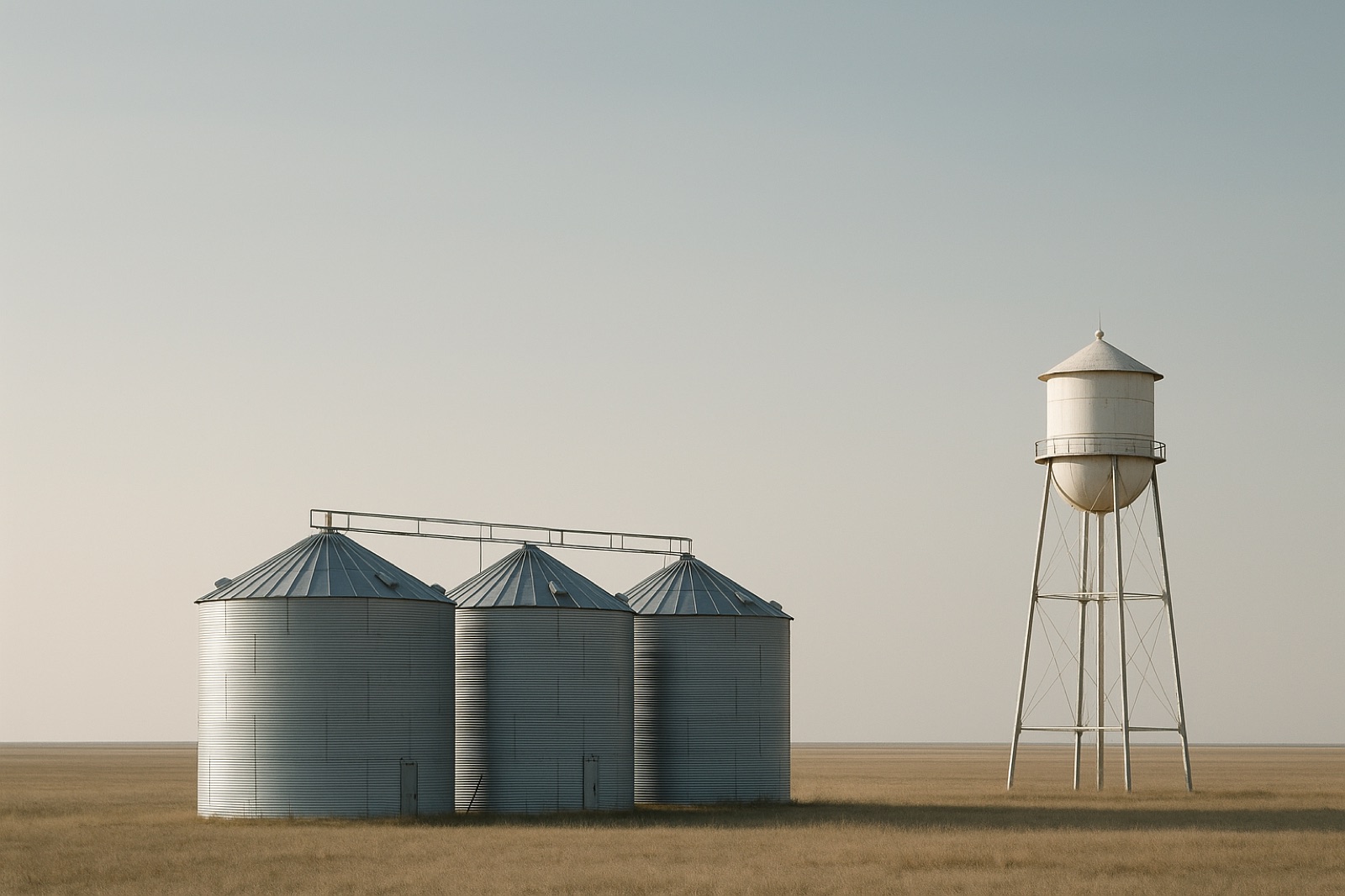
The water tower that many towns barely notice does a daily balancing job, and its level records tell you more about system health than its paint does.
A water measure's passage starts a sequence of board seats, budgets, and meeting dates, and those steps decide when anything reaches a pipe.
Before any replacement crew digs, a homeowner should know where the utility's responsibility stops, what the records say about the pipe, and which questions to put in writing.
A voter approval sets permission and a ceiling on spending, and the real schedule starts afterward with financing, permits, and bids that you can track in public records.
A funding cliff is usually described in project lists and grant totals, but a small plant stays safe only when someone qualified is on shift to read it.
A state's ranked list of loan-eligible water projects, not the headline total, is often what decides when a small Midwest town gets its turn.
A utility reserve can bridge a federal funding gap for a while, but only the utility's own records show how long that bridge holds.
A new study on replacement chemicals in food packaging is a useful reminder that a word like safe describes what someone tested, and a water system's safety depends on what it measures.
A utility's depreciation schedule measures paper value, not pipe condition, and that gap matters most when outside money ends.
When federal water money ends, a small Midwest town often feels the loss as a missed building window before it feels it in an empty account.
An announced review tells you a question is open, not what the answer is, and a Midwest water customer can learn to follow each step on the record.
Reporting limits can change from one sampling year to the next, so a run of clean-looking PFAS lines has to be read together with the lab method behind each one.
A boil water notice usually ends with a quiet paper trail, and knowing which documents to request helps you tell a real all clear from a rumor.
Heavy weather brings questions about who checked the pipes and pumps, and the answers usually sit in utility and city records that residents can ask to see.
A water story can describe a study, letter, or deal on a different day than the one printed at the top, so readers should check which date they are reading before they act.
A device that keeps water from flowing backward into the public system needs scheduled testing and a paper trail, and the responsibility usually sits on your side of the meter.
Water moves through a town's pipes at uneven speeds, and the places where it barely moves are where a utility has to work hardest to keep it fresh.
A storm story from the Southwest offers Midwest readers a useful lesson about where heavy rain puts pressure on rivers, drains, pumps, and wells.
A small Midwest water system leans on the utilities and people next door as much as on its own wells and pipes, and that help is dependable only when it is written down before anything fails.
A new PFAS study suggests contamination may be missed, so the useful next step is to request the sampling record, the detection limits, and the coverage behind any claim about your tap.
Before a study about PFAS in drinking water reshapes how you read your own water report, check how many samples it actually drew and what they could detect.
A national association's request for reauthorization tells a small utility where federal attention may go, but the local asset list decides what to ask for first.
Water promises sound clear on election night, but the terms behind them point to specific utility documents that residents can read before the next vote.
A single acquisition announcement tells a utility board less than the string of purchases behind it, and a dated log makes that pattern easy to see.
A national funding request can sound far from a village water tower, but the money usually passes through a few predictable steps before it reaches a pipe.
A fire flow test describes one afternoon in one town's pipes, so the federal funding debate is easier to judge once you can read the local record.
A tank level or pump trip can now reach a phone far from the plant, so the question worth asking is who is supposed to act on it and how that route is written down.
A mechanical meter can under-count for years without anyone noticing, so a few dated readings and a clear question to the utility are worth more than guessing.
A federal reauthorization request is a reminder, and the local records that shape who can use federal water money stay with the town and its utility.
Cost of living dominated this week's election coverage, and a household water record lets you test broad affordability claims against your own bills.
When a national water story arrives before your council or district board meets, a short written comment works best when it asks the local body for something it can actually decide.
A federal debate about water pipes starts far from the house, but the first valve that matters sits in a basement and takes only a few minutes to check.
A headline counting federal actions against cancer-linked substances is easier to read once you know where each action is recorded and how a change moves down to a utility, a well, or a kitchen tap.
A change of ownership at an equipment supplier leaves installed meters in place but can change who answers for warranty, parts, and software, so a utility should document those answers now.
Remote meter reading changes what a utility knows about your water use, so it helps to know which records exist, who keeps them, and what you can ask for before the new system arrives.
Many Midwest cities calculate stormwater charges from the hard surfaces on your lot, so the fee is easiest to check by measuring the property rather than arguing about the total.
A local rate vote, a trade group's letter to Congress, and your own billing cycle each run on a different schedule, and a Midwest household reads them more clearly when it tracks all three.
Federal funding debates set the stage, but the boundary at your address is written in local rules and notices, so read those first.
A rate increase changes one line of a household's water costs, while the hot water line runs through equipment the household can check.
A midterm scorecard tells you who gained power in Washington, but a water bill changes only after money, text, and local votes move through a longer chain.
Before you read "not detected" as good news, find the reporting limit behind it, because a lab can only report what its method can see.
A water measure that passes is a short sentence on the ballot, and the full wording, cost estimate and effective date are what turn it into something a town must carry out.
A federal reauthorization sets what a program may spend, but a later appropriation decides what a town actually receives, so check both before a capital plan counts on either.
A water headline can pass through several websites before it reaches you, so the original publisher, the page date, and the date of the event each need checking before you act on it.
A drought-driven rate approval in Denver points to a written plan, and a Midwest reader can find the plan behind a drought charge in their own town.
A drought charge can outlast the dry spell that justified it, so the written end date matters as much as the vote.
A utility's annual result is a set of samples taken at chosen places on chosen dates, so the calendar deserves as much attention as the number.
Denver Water's drought-driven rate increase is a useful headline, but a Midwest reader needs to know the source behind their own tap before drawing any comparison.
A supplier's rate vote reaches a town's bill only after the town's contract, ordinance, and budget pass it along, so read those papers in that order.
Winter water trouble often starts in a short service pipe that nobody has mapped, so households and utilities should both put its path, owner, and depth on paper before the first hard freeze.
A trade association's report can frame a water question well, but it does not decide one, so check who wrote it and which local document controls the answer.
Ohio's first closed ruffed grouse season since 1937 shows how a missing count can carry information, and why a Midwest water reader should ask what a utility's silent months actually mean.
A rate increase reaches a household through two kinds of charges, and the fixed part behaves differently from the part that follows the gallons measured at the meter.
A rate increase and a contamination study can arrive in the same news cycle, but they answer different questions, and a reader who merges them will misread both.
A blank cell or a not-detected entry describes what a lab could see at one reporting limit on one sampling date, so the sample year and the lab sheet belong in the reading.
Before a town treats a large water request as routine, it helps to understand how utilities size their systems, why peak-day demand matters more than the monthly average, and where one big customer fits into that math.
A rate increase often arrives with strong words about conditions, and a Midwest household can learn more from the cost lines behind those words than from the headline.
A large new customer changes more than the meter reading, and the terms a utility signs decide who carries the cost.
A rate announcement shows that a decision happened, while the adopted schedule and board record show what the new charges actually are.
A backup generator only keeps water moving if its transfer switch, fuel supply, and test runs were maintained between storms.
A rate increase announcement shows the price, but the reserve balances underneath show whether a water system can handle a bad year without asking for more.
When a water rate increase cites inflation, the answer sits in specific budget lines, and a Midwest reader can ask for those lines before the vote.
A capital packet's tables, not its map or total, show how a town decides which water mains get replaced first, and what questions to bring to the meeting.
A board can approve a higher water rate months before it appears on a household bill, and the gap between those two dates is where most of the confusion starts.
Denver Water's 2027 rate decision shows why a drought charge can rise even when customers use less water, and how to read the same structure on a local bill.
Before a Midwest town lifts a boil water order, its operators need clean lab results, and knowing that sequence keeps residents from guessing when the tap is safe again.
Before a data center reaches a vote, the cooling design decides how much water leaves the local system, how much comes back, and who carries the cost of the pipes that connect them.
A federal PFAS technology strategy begins with research and coordination, and the path from that plan to a Midwest utility or well owner runs through several separate documents worth tracking.
A republished water story can carry a byline, a date, and a first publisher that each answer a different question, so check all three before you repeat it.
A national association's new chief executive does not change your town's water, but the change is a useful prompt to check whether your local system could keep running if its own key people left.
A utility's gap between treated water and billed water tells you more about its pipes and meters than most national headlines do.
A report saying PFAS contamination may be underestimated makes a claim about the gap between what was measured and what is present, and that gap is different from the result sitting in your own water records.
A single drinking water test describes one place on one day, so the schedule behind a PFAS result shows how much weight it can carry.
A new federal PFAS strategy puts technology in the spotlight, but every treatment unit also produces material that has to be stored, shipped, and disposed of, so the waste question belongs before the vote.
Rusty water after a flush is often the point of the work, and a notice that names the streets, hours, and next steps tells you more than a headline does.
A federal funding report on coal plants answers questions about money and air, but a plant near your river or lake also runs on a separate water record that you can check yourself.
A higher water bill often traces back to the meter read date, a stacked estimate, or a leak on your side of the service, and each one has its own check.
When national reporting suggests PFAS results may undercount contamination, a town board's capital plan should show how much it does not yet know.
An association's announcement tells you who is in charge, not what the group can require of your utility, so sort its documents by how they bind before you act on them.
A federal report on coal plant support is a story about money and air rules first, so Midwest water customers should check its claims against local water records before drawing any conclusion about their tap.
A lead question starts with the record for one address, and the utility's inventory, its ownership rules, and a lab report are where that record begins.
A permanent chief at a national water trade group changes who speaks for big-city agencies in Washington, not the pipe under your street.
A federal technology strategy can name a goal in a few words, but the recurring costs of any treatment step land on local budgets and ratepayers, so those costs are what to check first.
Many older Midwest cities send household wastewater and storm runoff through the same pipes, and heavy rain can push that mix out at designated points before it reaches a treatment plant.
EPA's new PFAS TECH name breaks into four working parts, and each one gives Midwest readers a question to take to their own utility.
A national PFAS research push can shape which treatment tools get studied, but a utility still needs to know whether a test used the water it actually pumps.
A faint pool-like odor at the kitchen tap often means the utility's disinfectant is still working, and a few specific signs tell you when to call.
Two short trade-press items about water agencies and federal PFAS work show how an excerpt can leave out the parts a Midwest reader needs before passing it along.
Water can wait in a storage tank long enough to change, and the age of that water is a fair question for any household to put to its utility.
Buried drainage pipe moves farm water toward the streams many Midwest utilities draw from, so the route matters as much as the headline.
Your home's connection to the public water main is designed to flow one way, and the devices and records that keep it that way are easy to overlook until something changes.
A federal PFAS strategy can sound like a new drinking water requirement, but a Midwest reader needs to sort strategies, rules, funding, and research before deciding what any announcement changes locally.
A battery ferry runs on energy stored while it is tied up, so the useful question for a lake or harbor town is which line, dock equipment, and bill carry that charge.
A rising PFAS result may reflect a lower reporting limit, a new lab, or a different sampling point, so check those three before reading a trend as a change in the water.
A ferry story, a federal strategy, and a question about your tap can share one news feed while answering to different owners, so sort them before you act.
An interim leader's authority is written down somewhere, and Midwest readers can check the board record for the start date, the limits, and the end point before a permanent handoff arrives.
A switch from diesel to electric changes the machine that moves the water, so readers should check what that switch does and does not touch before they assume the tap changed too.
A PFAS number is the last step of a long handoff, so the sampling record tells you whether that number deserves your trust.
A federal PFAS strategy can shape future research without changing the water in your tap this year, so readers should check which tool they are actually looking at.
A water result describes one sample, from one place, on one date, so Midwest readers should check the sampling calendar and location before they read the number.
Coastal flooding in California is a reminder that drains depend on the water they empty into, and Midwest towns on the Great Lakes and large rivers should know how theirs behave when that water rises.
A federal PFAS rule now in judicial review runs on its own date chain, and a utility budget runs on another, so Midwest readers can build a timeline that keeps the two apart.
A trade group leadership change tells Midwest readers little about the service line under their yard, but the property line it crosses decides who answers when it freezes.
A federal move on oil and gas methane runs in a different lane from water-main oversight, so Midwest readers should check the local records that actually cover their tap.
The Association of Metropolitan Water Agencies names a permanent chief this month, and Midwest ratepayers can follow what that leader's group does without assuming anything about their own bills.
Oral arguments in a federal challenge to the PFAS drinking water rule are one step in a legal process, and the questions worth asking your utility do not have to wait for it to finish.
Your faucet's push is engineered from elevation, pumps, and valves, and a few plain questions can show you how your utility keeps it in range.
When a water affordability proposal stalls in the legislature, Midwest households can still learn who sets their rates, what help exists locally, and when the next chance to act arrives.
Federal and state debates over water affordability move slowly, but your local bill is built from line items you can read and question now.
A federal cut can reach a tap through a chain of data, plant settings and storage, and each link is worth checking at your own utility.
Federal cuts to weather science raise a local question: how would your water utility get help when a storm arrives faster than its forecasts?
Storm planning, drought outlooks, and flood maps rest on federal records that a local utility rarely names, so ask which feeds your system depends on.
When federal climate agencies lose capacity, the local records a utility and a well owner keep become the check on every projection built from them.
A seasonal forecast describes a tendency rather than a guarantee, and with federal climate data under strain, Midwest readers have good reason to ask where their utility's outlook comes from.
A technology purchase is easier to judge when you can find its line in the capital plan, its verb on the agenda, and its lifecycle numbers in the staff memo.
A water bill built on an estimated meter read can look exactly like one built on a measured read, so Midwest households should learn how the usage number was made before they pay or dispute it.
A yearly water quality report is a record of earlier testing, so readers should check its data year, source water, and highest results before treating it as a current answer.
A Colorado River filing uses words that sound technical, but each one tells readers who gets a say, how much water is on paper, and who goes first when supply runs short.
A bill that names PFAS and emerging contaminants together asks two different questions, and Midwest readers can check each one at their own utility.
A trade guide on new water equipment can be useful, but its sponsor line tells you what it was built to sell, so read that before the purpose and the evidence.
A new meter, sensor, or controller is a long commitment, so Midwest readers can ask how it will be powered, supported, and paid for after the purchase order is signed.
A motion to intervene asks a court for a place in a case, and Midwest readers can use the same paper-trail habits on their own utility's filings.
Before a multistate river dispute reaches your tap question, read how far ahead a federal plan looks and which numbers change each year.
A brown tap on a weekday morning often traces back to a planned hydrant flush, and a few plain questions can tell you whether your utility is keeping its pipes in order.
Water can run backward when pressure drops, and a few simple devices and questions decide whether a home or farm connection stays safe.
A new federal funding bill puts PFAS back in the headlines, and a utility's PFAS table is easier to judge once you know how to read its units, sampling location, and dates.
A water innovation demonstration can show that a method works under certain conditions, but a Midwest utility should check the test record, operating support, and full cost before treating it as a plan.
A regional series names water quality, affordability, and aging infrastructure as separate weak points, and each one asks a different question of your utility.
Arizona's move into a Colorado River fight shows why Midwest readers should separate an allocation on paper from the water that actually reaches an intake.
A storm can fill a creek in hours, but a utility's supply depends on intakes, storage, and treatment that run on slower clocks, and Midwest readers can ask about each one.
A long wet spell tests the whole water system, and the useful questions start with elevation, notice routes, and sampling.
Deferred pipe replacement looks like a budget choice at the time and a repair emergency later, and the pattern is easier to read once you know how buried pipes age.
Groups pressing Congress for a water infrastructure package list stormwater next to drinking water and wastewater, so Midwest homeowners should check how their own utility funds each one.
The pipe between the street main and your house often has a record somewhere, and a short written request can tell you what it is made of and who is responsible for it.
When a national group asks Congress to close a water investment gap, the useful local question is which pipes, plants and basins a utility has already ranked for repair.
A township vote is a land-use step, and the water answers that matter most often sit in discharge permits, utility capacity letters, and the public record.
Two national water groups want Congress to finish a bipartisan infrastructure bill, and Midwest residents can follow how that money would move from Washington to their local system.
A new Clean Water Act suit over atrazine raises a plain question for Midwest readers: where does your utility draw its water, and what does it test for?
When an outside water innovation group changes its chief, a local utility should check what its own agreements actually require before assuming anything has changed.
Appeals to Congress describe intent, not funding, so a town's capital plan should work on local resources first and treat any federal share as unconfirmed until it is enacted and awarded.
A federal lawsuit about a farm herbicide raises a practical question for river-fed towns: which treatment steps are designed to catch dissolved chemicals, and which are not.
When a water innovation center starts looking for a new chief, the useful questions for a Midwest reader are about the calendar, the open commitments, and who keeps the work moving.
A national call to close a water investment gap only means something locally once you know which pipes, plants, and costs went into the figure.
A federal river plan, a state lawsuit, and a water share are three different documents, and a Midwest reader can learn to tell them apart before trusting any river headline.
A leadership search at a water innovation group is a useful prompt to ask whether your local water system's routines are written down anywhere other than in one person's head.
When an outside water innovation center changes leadership, the useful question for Midwest readers is who pays for its ideas and how those ideas reach a local system.
A national association's call for Congress to act on water infrastructure is easier to judge once you know whose members it speaks for and how it fits your own utility's plan.
When national water groups call for more investment, the drainage ditch behind your street belongs to that picture, and your town's capital plan is where you can check whether it is funded.
A township vote can clear the way for a big water user, but the real questions are about pipe capacity, rate design, aging mains, and wastewater.
An innovation hub can be a useful place to test new water ideas, but a result still has to clear the utility, the state regulator, and the local source water before it changes what comes out of your faucet.
A long-term water count is only as clear as the year it begins, and Midwest readers can ask their own utilities the same question.
When a state joins a river lawsuit, the first question is who holds a seat at the table, and Midwest readers can use the same roles to check their own water system.
A new federal lawsuit over atrazine in surface water shows why river rules and tap rules are written separately, and why Midwest readers need both to understand their water.
A new report on western glacier loss is a reminder that some water is held in ice and released on a schedule that utilities plan around.
A lawsuit reported on October 23, 2026 targets pesticide pollution in rivers and lakes, and that pollution reaches a household only through a specific supply path you can check.
A chief executive's planned exit at an outside water nonprofit deserves a close read, but a governance question is not the same as a change in your water service.
Before a river story changes your view of your own tap, learn what its units, shares, and scenarios actually measure.
A court fight over Colorado River allocations is also a question about intakes, storage, and budgets, and Midwest readers can ask those same questions of their own utilities.
When a state joins a court fight over a distant river plan, the first question is not whether your tap will change, but which kind of water decision is being contested.
A Great Lakes shoreline can supply plenty of water, but the age and material of the pipes between the lake and your kitchen shape what reaches the tap, and you can ask for records that show both.
A federal infrastructure package can help communities build and replace water systems, but local plans still need to account for decades of operation, maintenance and renewal.
Drinking water, wastewater and stormwater may share a street, but they follow different pipes, budgets and project lists.
Midwest communities evaluating battery supply projects need to separate withdrawals, consumption, wastewater and recycled flows before judging a proposal’s water demand.
Infrastructure plans should account for the operators, mechanics and institutional knowledge required long after construction crews leave.
When federal water financing is uncertain, Midwest ratepayers can look past the program name and ask how a proposed project will affect local bills.
A federal program can lose its authorization while local projects keep moving, because congressional authority, available funding and individual awards are separate parts of the process.
Federal authorization matters, but Midwest water construction also depends on local planning, state review, engineering, bidding and the order in which projects are ready to proceed.
The supply pipe gets most of the attention, but a useful household water plan also accounts for toilets, drains, sewer service and septic capacity.
A practical field guide can help Midwest water companies connect household questions to useful education, appropriate follow-up and measurable local demand.
Rain, supply pipes and indoor condensation can leave similar ceiling stains, but a careful photo record can help homeowners identify the right inspection.
A utility report can inform a home treatment decision, but only after you identify the water system, the measurement and what the reported number represents.
A proposed homeowner checklist should wait until search behavior, local water evidence and the installer’s service territory can all be verified.
A short household checklist can separate recurring mineral scale from an isolated fixture problem and make a hardness test more useful.
Columbia households can read base charges, consumption tiers and winter averages as separate parts of the cost of keeping water service ready.
A simple elevation test can help Midwest households separate a building-wide pressure problem from a single clogged fixture.
A useful home water visit begins with three checks: whether the address is covered, what the appointment includes and who remains responsible after equipment is installed.
A simple flow check can help Midwest homeowners separate a utility interruption, a household plumbing restriction and a treatment system problem.
Federal funding uncertainty is a reminder for Columbia homeowners to separate utility infrastructure from the plumbing and treatment equipment they control.
A white ring, cloudy glass or crusted aerator can justify a hardness test, but none proves that a water softener is the right next purchase.
A funding headline is a reason to inspect local project plans, not proof that a utility project has stopped or a household water bill will rise.
A practical water interruption checklist helps Midwest households separate immediate needs from plumbing, treatment and property concerns.
A clear campaign can separate public infrastructure finance from household water decisions while giving local companies a responsible way to identify people who need help.
A useful Columbia water guide should help renters identify the report, understand treatment limits and ask focused questions about conditions inside the building.
Before comparing equipment, document the scale, test the water and ask how each proposed system will perform during an ordinary week at home.
A ground-level check, an attic moisture record and timely documentation can help Midwest homeowners distinguish an urgent leak from damage that still needs professional review.
A practical field guide can help water companies move from broad infrastructure awareness to specific, answerable homeowner questions.
A statewide policy discussion offers a useful reminder for Missouri homeowners: document the evidence, separate possible sources and call the right inspector.
A utility report, a neighbor comparison and a carefully chosen tap sample can help residents locate a water problem before equipment enters the conversation.
A room-by-room check can show whether a household is dealing with minerals throughout the plumbing, an objection at one tap, or a source-water problem that equipment alone cannot settle.
Utility reports describe the public supply, while a properly collected home sample can reveal what is happening at a particular faucet.
Michigan’s septic debate offers a useful reminder that scale, taste, sediment and possible contamination require different investigations and different equipment.
A utility report describes the public water system, but a measured sample and a careful equipment quote are what turn Columbia’s water hardness into a household decision.
A practical communication plan can help tenants, caregivers and small businesses prepare when a building loses water service.
A practical campaign plan can help local water companies turn public attention into useful homeowner conversations without treating every pageview as a sales lead.
A simple dependency check can show Columbia households what an interruption would affect, and which questions belong to the utility, the water report or a treatment provider.
Midwest Water News can measure overall attention, but choosing the next service guide requires evidence about the specific problem readers are trying to solve.
A simple responsibility map can help renters and building owners separate utility work, property plumbing and in-unit equipment before a water problem becomes an argument.
An infrastructure awareness campaign can reveal broad interest in water, but deciding what household guidance to publish requires evidence about the question readers are actually asking.
A simple performance file can help Midwest homeowners separate equipment claims from measurable changes at the tap.
A utility report describes the public system, while a properly chosen home sample can reveal what happens after water reaches the property.
A treatment system’s wastewater route can be as important as the water problem it is meant to solve.
A statewide septic proposal offers Midwest households a useful reminder: fix pollution at its source, and choose indoor water equipment only after testing defines a separate problem.
After an outage or advisory, the utility’s instructions come first, while household treatment equipment requires its own careful restart.
Before scheduling a household water test, Columbia residents can identify the tap, timing and plumbing conditions that will make the results easier to interpret.
A Columbia homeowner can turn scale, test results and repair records into a practical decision about whether a softener deserves a quote.
A simple water file can help the next resident separate utility findings, household plumbing conditions and treatment equipment claims.
A simple property sketch can help homeowners understand what an inspection covers, what it cannot show and which household habits affect an onsite system.
A softener and a drinking-water filter solve different problems, so compare the measured target, certified claim and maintenance schedule before comparing prices.
A useful proposal should connect a measured hardness result and household water use to equipment capacity, regeneration frequency and ongoing salt and water demands.
A softener, taste filter or sediment filter becomes part of the household water system, with its own testing, maintenance and limits.
A simple service-line record can help homeowners identify responsibility before a leak, excavation or loss of water turns the boundary into an urgent question.
A useful comparison begins with documented test results, clearly sized equipment and the full cost of keeping the system working.
A practical household checklist can make a temporary loss of water easier to manage and help residents document storm damage without taking unnecessary risks.
A safe indoor photo checklist can help Midwest homeowners separate roof, plumbing and condensation clues before requesting the right inspection.
Climate concern becomes useful at the local level when voters ask who will protect drinking water, maintain aging systems and pay for resilience.
Residents can turn a national water awareness campaign into a practical review of the plans, budgets and public decisions behind reliable local service.
A simple valve map can help Columbia homeowners isolate a plumbing problem, describe it accurately and avoid turning a small repair into a whole-house interruption.
A household softener can keep water moving during some interruptions, but reliable operation depends on three separate connections homeowners should understand.
A careful bill review can help households distinguish a possible leak from a rate change, an estimated reading or a longer billing period.
A useful household file separates inspection findings, service work, warning signs and drinking-water tests so each answers the question it was designed to answer.
Midwest households need a testing-based decision tool, but website traffic alone does not show that readers are asking for one.
A useful estimate should leave a paper trail showing what the equipment treats, what it costs over time and who stands behind the work.
The timing, shape and location of a ceiling stain can help a St. Louis homeowner distinguish rain entry from plumbing or condensation before requesting an inspection.
A utility water report can narrow the questions for home treatment, but only after the reader confirms the service area, units and limits of the data.
A useful assessment should explain when hardness treatment fits, when another problem needs attention, and when a household can reasonably skip new equipment.
A four-part check can help Midwest homeowners separate ordinary mineral buildup from a problem that a properly selected water softener can address.
Hardness, taste and verified contaminants call for different evidence, and sometimes different equipment.
A softener or drinking-water filter becomes part of a household’s infrastructure, with maintenance duties that should be understood before installation.
A renovation can change which taps receive treated water, where equipment can drain and whether future service remains practical.
Households with softeners, filters or reverse osmosis systems need a restart plan that follows utility notices and equipment instructions.
Before choosing a softener, homeowners need verified local water data, a clear description of the problem and a quote that defines what the equipment will and will not do.
A household water outage plan should account for toilets, water heaters, treatment equipment and the difference between a utility interruption and a problem inside the house.
Traffic totals show interest in water coverage, but they do not yet prove that Midwest readers need another path from faucet residue to equipment.
Before buying, repairing or treating water at a Columbia-area home, identify whether the property uses a public sewer or an onsite system and who keeps its records.
A treatment system is only as dependable as its testing, maintenance and local service plan, so compare the years after installation before choosing equipment.
Michigan's septic debate offers Midwest homeowners a practical reason to document how water enters, crosses and leaves their property.
Michigan's movement toward statewide septic rules offers a timely model for turning homeowner questions into useful, qualified local inquiries.
A proposed annotated guide would help Columbia households separate utility-wide findings from the questions that belong at an individual tap.
Before choosing home treatment, confirm who supplies the water, then separate utility findings from conditions that can develop inside the house.
A practical household check can separate visible mineral buildup from the larger question of whether a softener fits the home, plumbing and maintenance plan.
A careful handoff should establish what the existing equipment treats, whether it still works and which water test would justify keeping or replacing it.
Hardness, unpleasant taste and a tested contaminant point to different treatment jobs, and none can be diagnosed from website traffic alone.
A fixture-scale checklist can help Midwest households distinguish a recurring hardness problem from residue, corrosion or a single dirty aerator before considering treatment.
A clear comparison should connect test results, equipment claims, household demand, maintenance and total price before a homeowner signs.
Before a St. Louis homeowner accepts an estimate, the warranty can reveal who will maintain the equipment, what failures are excluded and how much service may cost later.
After hail or wind, Midwest homeowners can protect themselves by separating immediate safety checks, insurance documentation and the decision to bring in a roofer.
A practical question map, publishing calendar and follow-up system can help water companies educate households without turning every article into a sales pitch.
A careful indoor checklist can help homeowners separate roof clues from plumbing and condensation without climbing onto a wet roof.
A useful hard-water checklist begins with evidence at the faucet, but the case for publishing it also needs evidence from readers and the service area.
A symptom can point homeowners toward the right questions, but testing and equipment specifications should decide what belongs on the water line.
A softener addresses hardness, while a filter must be selected for a specific taste, odor or tested contaminant.
A simple ownership map can help Midwest households direct leaks, pressure problems and equipment questions to the right party.
A short photo checklist and a properly collected hardness result can separate mineral scale from several look-alike problems.
Hardness evidence matters, but a workable drain, electrical supply, bypass and maintenance path also determine whether a softener belongs in a Columbia home.
A practical intake map can help local water companies turn public education into useful follow-up without treating every concern as a sales opportunity.
A short outage alert rarely tells households everything they need to know about location, timing, pressure and the steps that follow restoration.
A room-by-room inventory can show which daily tasks depend on water, which equipment needs attention and which questions belong with the utility.
A softener-or-filter decision should account for the symptom, the test result and what happens when water service or household equipment is interrupted.
Before comparing treatment equipment, homeowners should identify their water source, read the utility record and collect any household sample under laboratory instructions.
A simple fixture check can show whether mineral buildup follows the water, the water heater or one troublesome faucet.
A two-cycle photo checklist and a hardness result can separate mineral scale from other residue and show when a professional assessment may be useful.
Ask each provider to explain how the system will perform, fail, bypass and return to service before comparing the final price.
Compare the water problem, treatment method, installation scope and long-term obligations before comparing the final prices.
A ground-level checklist can help homeowners document hail, wind and moisture clues before deciding whether an insurer or roofer needs to take a closer look.
Before choosing home water treatment, separate interruptions, plumbing problems and water quality concerns, then match each one to a useful test.
Match the treatment to a documented problem, then compare what each option removes, changes and requires over time.
A careful photo record can help Midwest homeowners separate roof clues from plumbing and condensation before requesting an inspection.
Before pricing a water softener, document where scale appears, measure hardness and ask an installer to explain what the equipment will and will not change.
A useful treatment system must match the water problem, the part of the house affected and the maintenance a household can reliably sustain.
A simple equipment map can help Midwest households protect softeners, filters and drinking-water systems when service stops and starts again.
A repeatable photo checklist and two hardness readings can separate mineral scale from soap film, corrosion and sediment before a household prices treatment.
A softener, sediment filter or taste treatment should be chosen partly by what happens during maintenance, power loss and bypass operation.
A simple treatment scorecard can separate hardness, sediment, taste and odor problems while exposing the limits and upkeep of each option.
Michigan’s statewide septic debate offers a useful lesson for Columbia households: each water document answers a different question.
A few observations, one hardness measurement and a short list of questions can help homeowners decide whether a softener fits the problem.
A Columbia household can narrow its water treatment choices by testing first, matching equipment to the measured problem and accounting for the water each system sends down the drain.
The right treatment depends on whether the problem is hardness throughout the house, a specific concern at the kitchen tap, or something testing has not yet identified.
A utility report, a tap sample, a plumbing inventory and a clearly defined concern can separate hardness problems from contaminants that require closer evaluation.
A softener and a filter do different jobs, and neither substitutes for testing when a household suspects contamination.
A simple shutoff map can help Midwest households prepare for repairs without confusing a fixture problem with a neighborhood water outage.
A useful electrical plan starts with the loads the station must carry, the outages it has experienced and the questions contractors must answer before bidding.
A careful ground-level check, an attic review and organized photographs can help Midwest homeowners decide whether a post-storm roof inspection is warranted.
A careful sequence after hail or high wind can help Midwest homeowners spot water-entry risks without climbing onto a damaged roof.
A practical campaign can turn one day of public attention into clear questions, local education and qualified follow-up without turning civic information into a sales pitch.
A practical field guide can connect infrastructure news to local water concerns without turning uncertainty into a sales pitch.
A household checklist for separating a utility interruption from storm damage, plumbing trouble and a private-well problem.
A local campaign can show homeowners where public infrastructure ends, where private responsibility begins, and when to ask for qualified help.
A careful inspection starts on the ground, documents what changed and treats interior moisture as evidence that deserves prompt attention.
A practical field guide can help local water companies organize homeowner education, collect useful context and follow up without turning every answer into a sales pitch.
A careful storm check connects roof damage, attic moisture and drainage clues without asking homeowners to climb a ladder.
A project list tells a community what must be built, but a funding calendar shows whether the work can happen before maintenance becomes an emergency.
A seasonal education plan can help local water companies sort billing confusion from household water concerns and give homeowners a useful next step.
Local water companies can use major weather coverage to organize timely homeowner education without turning distant risks into local predictions.
Reading the dates, meter data, rates and adjustments in sequence can help Midwest customers locate the source of a surprising charge.
A careful ground-level review can help homeowners document hail, wind and moisture clues, meet insurer deadlines and decide when a professional inspection is warranted.
Use this practical checklist to document hail, wind, and moisture clues before deciding whether to call an insurer or roofing contractor.
A practical field guide helps local water companies explain household costs, organize useful education, and identify customers who need a specific next step.
A documented, ground-level review can help Midwest homeowners separate routine storm cleanup from damage that warrants an insurance call or professional inspection.
A new regulatory guidebook offers Midwest communities a reason to explain where reused water comes from, where it can go and who must respond when a system fails.
A disciplined campaign starts with household questions, publishes answers on a local calendar, and treats a qualified lead as a request the company can responsibly address.
A practical question map, calendar, lead checklist, and follow-up workflow can help water companies educate residents without turning public concerns into a sales pitch.
A regional buyer checklist can help Midwest households compare testing, equipment, maintenance and prices without mistaking a product pitch for a diagnosis.
A useful education campaign starts with the questions residents bring from the kitchen sink, then connects each answer to a clear next step.
A ground-level inspection, an attic check and a careful photo record can help Midwest homeowners decide what to do after a storm.
A practical field guide helps local water companies turn utility technology news into useful homeowner education and responsibly qualified leads.
A careful record of hail, wind, roof conditions and indoor moisture can help homeowners decide what needs attention and explain what happened.
A useful proposal should connect test results to certified equipment, disclose the full price and explain who will maintain the system after installation.
A practical Midwest checklist can help homeowners document hail, wind and moisture before deciding whether a roof inspection is needed.
A ground-level checklist can help Midwest homeowners document hail, wind and attic moisture while deciding whether a professional roof inspection is warranted.
A new regulatory guidebook offers local water companies a reason to organize public education around what homeowners actually need to decide.
A clear water reuse plan should identify the source, treatment process, intended use and people responsible for keeping the system safe.
A Midwest buyer can compare local treatment providers by tracing each proposed piece of equipment back to a documented water result.
After hail or high wind, homeowners can document roof concerns while also checking how water moves through gutters, downspouts, soil and the basement.
A treatment plant is only one part of a connected system, and understanding the upstream pieces can help residents make sense of local projects, disruptions and costs.
A major industry gathering can help Midwest residents ask sharper questions about wastewater staffing, maintenance, costs and local priorities.
A practical field guide helps water companies move from industry news to useful local answers, organized follow-up and qualified homeowner inquiries.
A careful ground-level inspection can help homeowners find water-entry clues, preserve evidence and decide who should look closer.
Local water companies can use infrastructure news to clarify the boundary between public treatment and household water concerns, then give residents a sensible path to ask for help.
A large federal loan announcement is a starting point for asking how a water project will be financed, repaid and reflected in household bills.
A practical planning guide can help Midwest water companies turn local education into qualified inquiries without turning every lesson into a sales pitch.
A careful ground-level check can help Midwest homeowners identify water-entry clues, preserve evidence and make the right next call without climbing onto the roof.
A practical campaign plan can help local water companies distinguish public education, household testing questions, and genuine service inquiries without turning uncertainty into a sales pitch.
A leadership change at a major water firm offers a useful reminder that utilities need durable records, not just familiar contacts.
A careful check of the yard, attic and paperwork can reveal whether hail or wind warrants a professional roof inspection without requiring a climb.
A careful inspection starts on the ground, continues in the attic, and produces a dated record that helps homeowners decide what to do next.
A practical field guide can help local water companies turn infrastructure uncertainty into useful education, documented inquiries and qualified leads.
A Western water dispute offers Midwest readers a practical way to examine the competing jobs assigned to dams and reservoirs.
A simple record separating routine wear, storm damage and active water entry can help Midwest homeowners decide what needs attention and explain what they found.
A useful inspection turns hail, wind and moisture clues into a dated record that homeowners can use to decide what happens next.
A practical campaign framework can help Midwest water companies turn infrastructure news into useful local education and qualified homeowner inquiries.
When utilities and road departments coordinate schedules, Midwest communities can reduce repeat excavation, traffic disruption and avoidable costs.
A useful homeowner education program starts with real questions, assigns a next step and follows through without turning every answer into a sales pitch.
A careful sequence of indoor checks, ground-level observations and dated photographs can help Midwest homeowners respond without climbing onto a wet or damaged roof.
A careful inspection begins from the ground, continues in the attic and creates a record homeowners can use when deciding whether professional help is needed.
A careful storm check begins on the ground, continues in the attic and ends with a documented decision about whether professional inspection is needed.
A careful file of photographs, dates, observations and insurance contacts can help Midwest homeowners make orderly decisions after hail or high winds.
A careful inspection from the ground and attic can document storm damage while keeping homeowners off wet, unstable roofs.
A clear responsibility map can help homeowners identify the right first call while helping local water companies recognize serious, well-defined inquiries.
A careful walk around the house, an attic check and organized photographs can help homeowners decide when storm damage needs professional attention.
A practical framework can help Midwest water companies answer seasonal homeowner questions while identifying households that are ready for a site visit, test or estimate.
Where water leaves a roof can help homeowners distinguish a simple gutter blockage from a drainage problem or a roof system that needs closer inspection.
A few practical changes around the home can make tap water safer to handle, easier to reach and harder to forget during hot weather.
How recent EPA guidance aims to improve lead safety in drinking water systems across the Midwest.
A look at how federal funding can address workforce challenges in the water sector.
Exploring the challenges and opportunities for improving the water workforce in the Midwest.
An exploration of how Indiana's first data center-only utility is reshaping water and energy management.
Navigating the implications of new chemical proposals for water safety and environmental health.
Exploring the state of water infrastructure and the path forward for sustainable management in the region.
Understanding the impact and significance of clean water utilities through recent national recognition.
As climate change intensifies, understanding the interplay between extreme heat and water systems becomes crucial for Midwestern communities.
Understanding the implications of recent advisories on PEX tubing products for local utilities and residents.
Water utilities are facing increasing challenges in monitoring and addressing contaminants like PFAS and microplastics in the Midwest.
A recent advisory from the Plastics Pipe Institute brings attention to the compliance of PEX tubing products used in water systems.
An overview of the importance and safety of PEX tubing in regional water systems following a recent advisory.
An overview of PEX tubing compliance issues and their significance for regional water infrastructure.
A new advisory from the Plastics Pipe Institute highlights concerns over PEX tubing products and their implications for water systems in the Midwest.
A new advisory raises concerns about the safety of certain PEX tubing used in water systems across the Midwest.
The recent NACWA awards shine a light on the importance of effective water management in the Midwest.
The National Association of Clean Water Agencies honors top utilities, highlighting best practices that could benefit Midwest systems.
Exploring the role of clean water utilities in maintaining safe water supplies for communities.
Exploring how climate change is reshaping water resources and management practices in the Midwest.
A closer look at the aging infrastructure that underpins water systems across the Midwest.
As climate impacts grow, the significance of clean water utilities in the Midwest becomes ever more crucial.
Clean water utilities play a crucial role in safeguarding public health and the environment, representing a vital investment for Midwestern communities.
A look at the pressing issues surrounding aging water systems and the need for investment and innovation.
This article explores how clean water utilities are pivotal in keeping Midwest water systems safe and clean for communities.
A recent advisory highlights potential compliance issues with PEX tubing products, raising questions about their use in Midwest water systems.
Understanding the growing role of advanced water metering systems in local utilities.
Understanding water metering technology and its impact on utility management in the Midwest.
An overview of how clean water utilities operate and their importance in ensuring safe drinking water in the Midwest.
Understanding the implications of recent PEX tubing advisories for water systems in the Midwest.
As concerns over PFAS contamination grow, Midwest water utilities are ramping up testing and treatment measures.
Understanding how aging systems impact water delivery and safety in Midwest communities
Clean water utilities play a vital role in managing water resources amid increasing climate pressures.
An overview of the recent NACWA awards ceremony and its implications for clean water management in the Midwest.
Exploring how advancements in water metering technologies enhance local water management systems.
An advisory from the Plastics Pipe Institute highlights concerns about PEX tubing compliance in water systems.
A closer look at the implications of the recent advisory on PEX tubing products for water systems in the Midwest.
Understanding the complexities of water systems is vital as climate change and population growth put pressure on resources.
As climate change intensifies, understanding the local implications for water management becomes crucial for Midwest communities.
Exploring how collaborative efforts and technological advancements can improve water systems in the Midwest.
Robust water infrastructure is essential for safeguarding drinking water quality across the Midwest.
Exploring how infrastructure investments can bolster water systems in the Midwest amidst rising challenges.
Exploring the significance of updating water systems in Midwestern states to ensure clean and reliable water access.
Exploring the importance of clean water utilities and their recognition in ensuring water quality.
An advisory from the Plastics Pipe Institute raises concerns about PEX tubing compliance in water systems.
As aging systems face new challenges, understanding the role of technology and updates is crucial for water utilities.
Exploring how regional collaboration can enhance water management practices across the Midwest.
As concerns about pipe safety grow, understanding the implications of PEX tubing regulations is crucial for Midwest water systems.
The EPA's recent funding initiative highlights the importance of improving water systems in tribal and rural areas.
Local water managers in the Midwest can learn from the cooperative approaches in Western water stewardship.
Midwest communities face significant hurdles in maintaining and upgrading their water systems.
Exploring how advanced water meter technology is transforming water utility management in the Midwest.
Exploring how advancements in water metering can enhance the efficiency and sustainability of water systems in the Midwest.
Understanding how advanced metering technology can enhance water management in the Midwest.
Examining how recent advisories on PEX tubing products could affect water systems in the Midwest.
An overview of the advisory issued on PEX tubing and its implications for water infrastructure.
A closer look at the critical role of water infrastructure in community resilience and environmental sustainability.
Exploring how Midwest water systems are crucial for communities facing rising temperatures.
Exploring the pressing infrastructure improvements needed to sustain water resources in the Midwest.
A look into the pressing need for updates to water systems across the Midwest region.
As extreme heat events become more frequent, local water systems face unique challenges in ensuring access to safe and reliable water.
As Indiana's energy landscape evolves, the intersection of water management and fossil fuel reliance becomes critical.
An examination of the recent advisory on PEX tubing and its implications for water infrastructure in the Midwest.
Understanding the challenges and opportunities for aging water systems in the region
An overview of PEX tubing and the implications of recent advisories for water infrastructure in the Midwest.
An exploration of the recent advisory on PEX tubing and its implications for water systems in the Midwest.
A recent advisory highlights potential compliance issues with PEX tubing products, raising concerns for water infrastructure in the Midwest.
Learn about the recent advisory on PEX tubing products and its relevance to water systems across the Midwest.
An examination of the implications of the Plastics Pipe Institute's advisory for water systems across the Midwest.
Advanced metering infrastructure is reshaping how water utilities operate in the Midwest.
Advanced metering infrastructure can enhance water utility efficiency and community trust.
An overview of PEX tubing and recent advisories on its safety for homeowners and installers.
Exploring the role of advanced metering infrastructure and funding in improving urban water systems.
Midwest communities face pressing infrastructure issues that impact water quality and availability.
Exploring how local water managers are opting for partnerships to address water scarcity issues.
Recent advisories highlight the importance of compliance and safety in plumbing materials used across the Midwest.
An advisory from the Plastics Pipe Institute highlights compliance issues with PEX tubing products in North America.
Rising temperatures and shifting weather patterns challenge aging water systems across the region.
An exploration of recent advisories regarding PEX tubing and its implications for Midwest water infrastructure.
Exploring how local water infrastructure faces aging systems and funding gaps.
Advanced metering infrastructure offers transformative benefits for water utilities across the Midwest.
A closer look at the implications of the Plastics Pipe Institute's advisory for water systems in the Midwest.
Understanding the advisory on PEX tubing products and its implications for water systems.
An exploration of aging water systems and the urgent need for upgrades in the face of climate challenges.
New advisories highlight crucial safety considerations for plumbing materials used in water systems.
An advisory on PEX tubing highlights the need for rigorous testing in water distribution networks.
As extreme heat becomes more common, the resilience of water infrastructure is vital for public health.
Exploring local partnership initiatives in water management for the Midwest's sustainable future.
Exploring how local collaboration is redefining water management strategies across the Midwest.
A look at how recent federal funding aims to improve water services in Native communities, and its implications for the Midwest.
An advisory on PEX tubing raises questions about compliance and safety for water systems in the Midwest.
Exploring how technology can improve water systems in the Midwest
An examination of how recent federal funding is aimed at improving drinking water access in Tribal communities.
Exploring collaborative approaches to water management in the Midwest amidst growing regional challenges.
Federal funding aims to enhance water services in Tribal communities, addressing long-standing challenges.
The EPA's draft guidance aims to tackle PFAS contamination in biosolids, a critical issue for wastewater systems in the Midwest.
PFAS contamination poses significant challenges for water systems in the Midwest, prompting increased scrutiny and regulatory measures.
Exploring the implications of the EPA's upcoming guidance on PFAS contamination in biosolids for Midwest communities.
The recent $227 million federal funding aims to improve water access for American Indian Tribes and Alaska Native Villages.
Advanced metering infrastructure can enhance efficiency and restore trust in water systems, a pressing need in the Midwest.
The EPA's draft guidance on PFAS in biosolids aims to protect public health and the environment.
Exploring the implications of PFAS contamination on water systems and infrastructure in the Midwest.
Heat waves pose unique challenges for water systems in the Midwest, emphasizing the need for robust infrastructure and management strategies.
As extreme weather events increase, understanding how Midwest water systems can adapt is crucial.
Exploring how advanced metering infrastructure is transforming water systems and public trust in the Midwest.
Exploring how advanced metering infrastructure can improve water systems and public trust in the Midwest.
Understanding how advanced metering infrastructure can restore public trust and improve water systems.
As climate impacts escalate, understanding regional water infrastructure becomes paramount for communities across the Midwest.
As extreme heat becomes more common, understanding the impact on water systems is crucial for Midwest residents.
An exploration of how local water systems in the Midwest sustain communities and the challenges they face.
Exploring how technology can restore trust and efficiency in municipal water systems in the Midwest
Exploring how advanced metering infrastructure can enhance water management in Midwest cities.
Advanced metering infrastructure offers resources for efficient water management in the Midwest.
This article explores how Midwest water systems are adapting to changing climate conditions and the implications for infrastructure resilience.
Exploring how Midwestern water systems are adjusting to the challenges posed by climate change and increasing temperatures.
An analysis of how Midwest water systems can adapt to increasing climate challenges.
How community-driven approaches can enhance water quality and accessibility.
Advanced metering infrastructure can help address key challenges in Midwest water utilities.
Advanced metering infrastructure is transforming water systems by enhancing efficiency and public trust.
The EPA's recent funding allocation aims to improve water quality and access in underserved Tribal communities across the U.S.
Federal support aims to enhance drinking water and wastewater services for Tribal communities across the Midwest.