Infrastructure
Collaboration Over Conflict: Water Management Lessons from the West
Local water managers in the Midwest can learn from the cooperative approaches in Western water stewardship.
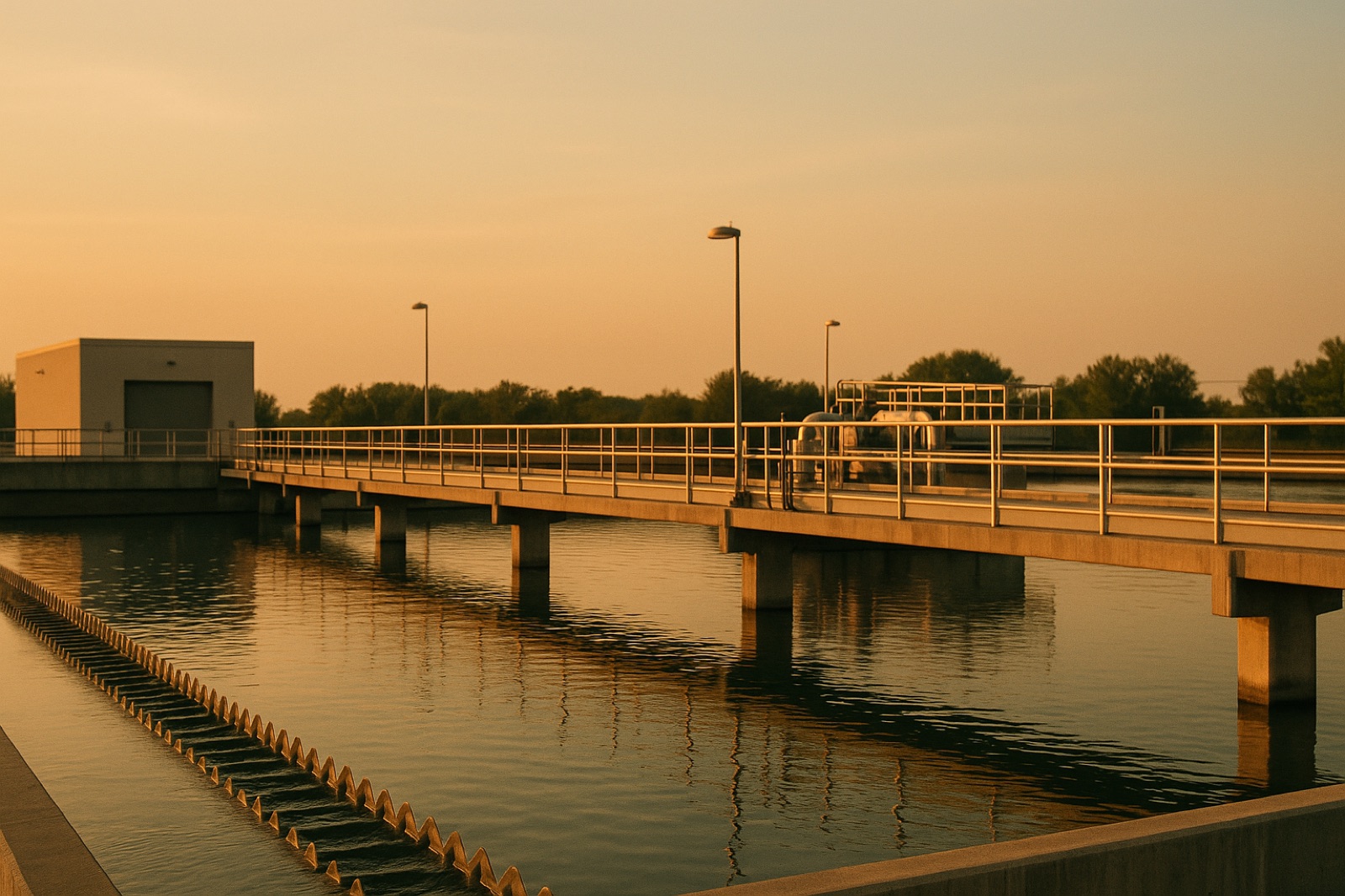
As climate change continues to alter the availability and quality of water resources across the United States, the need for innovative and collaborative water management practices has never been more pressing. Particularly in the West, where water scarcity is often framed as a looming crisis, local managers are beginning to embrace partnership-driven solutions rather than engaging in conflict over limited supplies. This shift offers valuable lessons for water systems throughout the Midwest.
In recent reports, local water managers are increasingly moving away from traditional adversarial approaches that have characterized much of the West's water governance. An article from Circle of Blue highlights this trend, noting that "local managers choose partnership" as they face the challenges posed by a dwindling Colorado River. This iconic waterway has been essential for the region's agriculture, industry, and urban areas, yet a prolonged drying trend has put unprecedented pressure on its resources. In response, water managers are seeking collaborative solutions that involve stakeholders from various sectors, including agriculture and urban development.
Understanding Water Systems
Water systems function through a complex network of sources, treatment facilities, and distribution points. In the Midwest, these systems are typically fed by surface water from rivers and lakes, as well as groundwater from aquifers. Managing these resources effectively requires an understanding of hydrology, infrastructure, and community needs. For many communities, water supply is not just an environmental issue but also an economic and social one.
As climate change continues to affect precipitation patterns, many Midwestern regions will likely see shifts in water availability. This can lead to higher competition for resources, especially during periods of drought or after heavy flooding. The traditional model of water management - where entities compete for a finite resource - can exacerbate tensions and lead to inefficient use of water. The collaborative approach seen in some parts of the West emphasizes shared responsibility and collective action, which can mitigate these issues.
Lessons from Western Water Management
The shift towards collaboration among water managers in the West could serve as a model for the Midwest. Rather than waiting for crises to unfold, proactive engagement with stakeholders, including farmers, city leaders, and indigenous communities, can create a more robust framework for managing water resources. This could involve forming partnerships to develop shared aquifer management plans or investing collaboratively in infrastructure upgrades that improve efficiency and reduce waste.
In practice, this might look like regional initiatives where different municipalities come together to address common challenges - such as aging infrastructure or the need for better water quality monitoring. Communities could pool resources and expertise, share best practices, and advocate collectively for state and federal support.
The Role of Technology and Policy
Emerging technologies also play a crucial role in promoting efficient water management. Digital tools can enhance data collection and analysis, provide real-time monitoring of water quality, and facilitate communication among stakeholders. These advances can help regional managers make informed decisions based on current conditions rather than historical data alone.
However, technology cannot replace the need for sound policy frameworks that encourage cooperation. Policymakers at both the state and local levels must create incentives for collaboration and ensure that regulations facilitate rather than hinder cooperative water management efforts.
Moving Forward
While the Midwest has its own unique water challenges, the lessons from the West offer a hopeful perspective on how local water systems could evolve. By focusing on partnerships and collaboration, particularly in the face of climate change, Midwestern communities can build resilience into their water management systems. This approach emphasizes the importance of working together to safeguard a resource that is vital not just for survival but for the region's economy and quality of life.