Hosting Guests on a Private Well: Count the Draws Before the Table Is Set
A holiday crowd puts the same pump, pressure tank, and septic system under load all at once, so a household on its own water can plan the peak hours before anyone arrives.
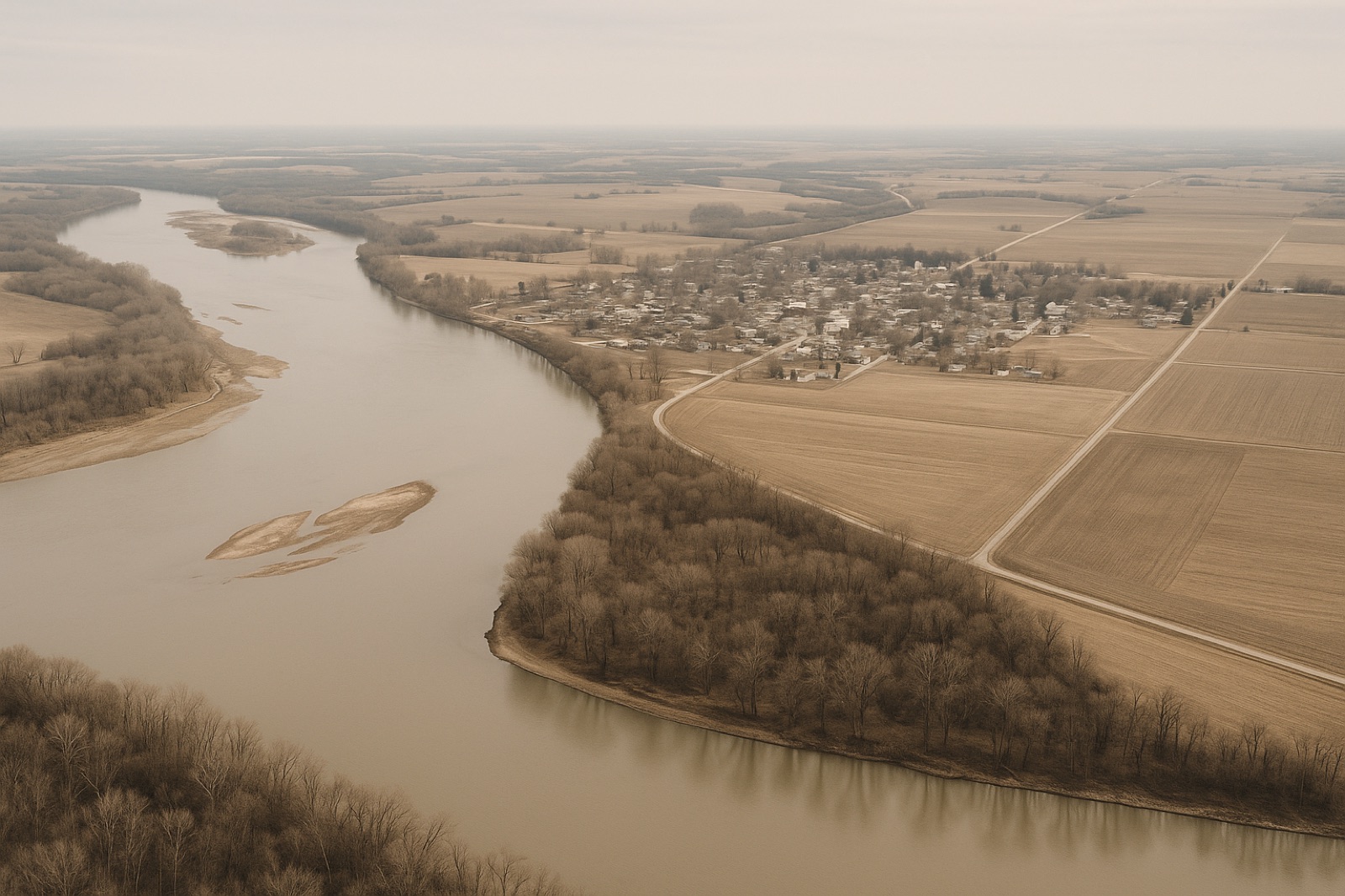
Covering the water that covers the Midwest
Federal rules now push utilities to inventory and replace lead service lines. What the programs involve, who pays, and what homeowners can check today.

A holiday crowd puts the same pump, pressure tank, and septic system under load all at once, so a household on its own water can plan the peak hours before anyone arrives.
A utility can watch its pumps closely and still be unsure where its water travels, so the underground map deserves the same scrutiny as the screen in the pump house.
A winter night can leave a remote pump house without anyone nearby, so the call list, the login holder, and the written record need to be settled before the first hard freeze.
Storm readiness starts in the pump pit and the basement drain rather than at the treatment plant, and the questions raised by a current coastal flood story apply to inland towns too.
A pump company's acquisition headline is a reason to check your own records, not evidence that your water system has changed.
A new national fund aimed at small and rural water systems shows how layered financing is assembled, and what a town board should ask before any loan or grant reaches its agenda.
A recent lawsuit over heat in a Florida prison is a reminder that a building's temperature also changes the water that moves through its pipes, and that readers can ask about it.
Monitoring a town's tanks and pumps is an ongoing service with its own calendar, and a board should read that calendar before it reads the screen.
A water headline is only as wide as the lake, budget year, or pump it measures, so check those edges before deciding what it means for your own tap.
With the beaches closed and the water cold, the quiet season is the best time for a lake town to check its own bloom history against the cleanup totals.
A tank that looks full can still hold less usable water than residents assume, so it helps to ask what each part of the storage volume is set aside to do.
A summer of rising pump run time can point to a leak, wear, or ordinary demand, and a trend line can raise the right question before an alarm does.
Water that lingers in a dead-end line changes slowly out of sight, so a town can ask its utility how it tracks that before a complaint arrives.
A dollar total can close a budget year, but a lake keeps its own calendar, so readers should ask which months the problem returns.
Cleanup money for a lake or river has to reach the land, roads, and ditches that feed it, not only the treatment plant at the end of the pipe.
Regional rankings built from verified hardness and contaminant data across Missouri and Illinois, with the tally and the source shown on every page.