Infrastructure
Read the Edges Before the Verdict: Where a Water Story Stops Counting
A water headline is only as wide as the lake, budget year, or pump it measures, so check those edges before deciding what it means for your own tap.
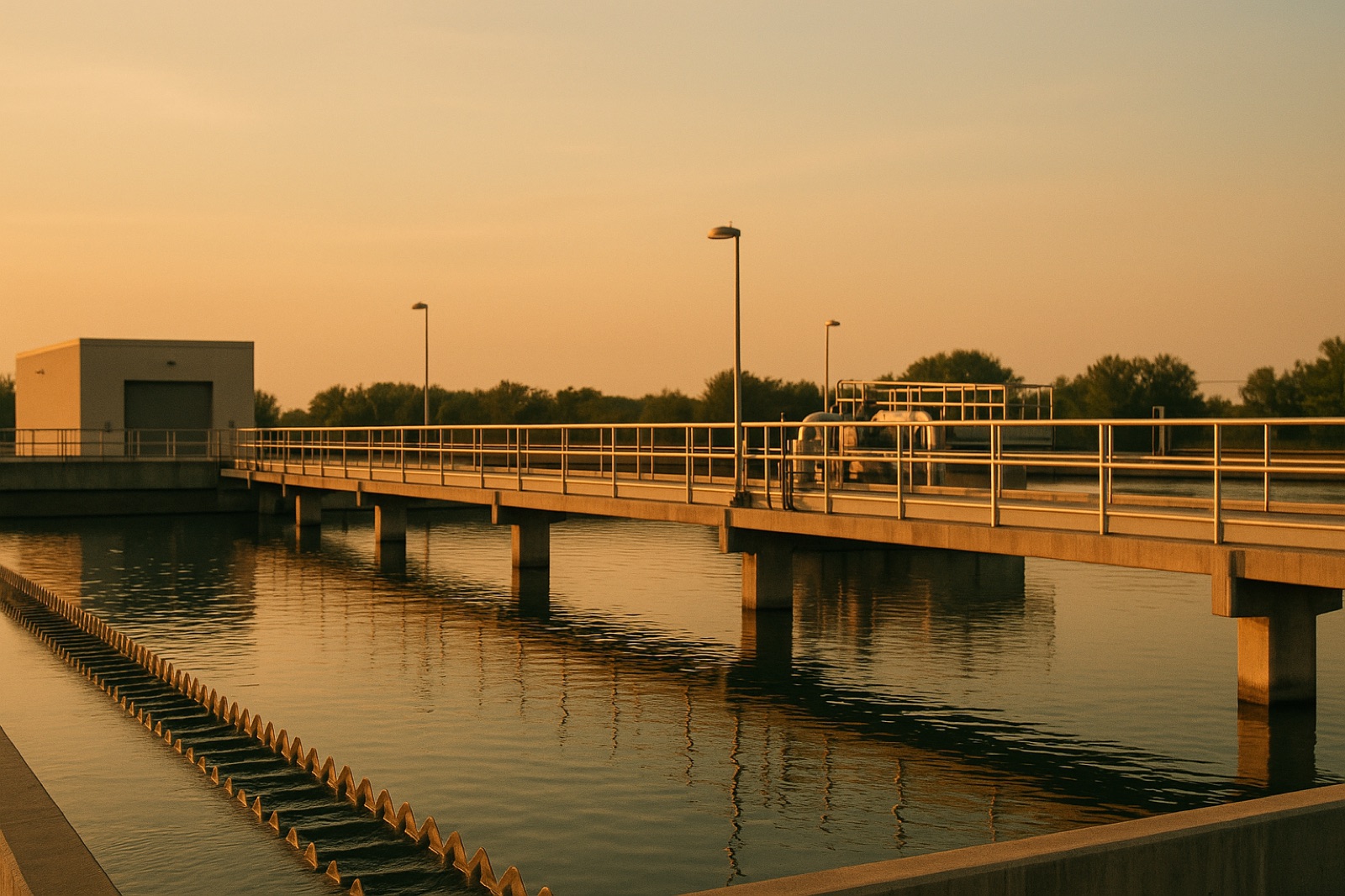
A water headline usually arrives with a verdict already built in: a lake is improving, a plant is falling behind, a town is spending more than ever. Before a Midwest reader decides what that verdict means for their own water, it helps to check where the story draws its boundary. Every water report counts some things and leaves others out, and a local reader is most often misled at the edges.
Three edges worth checting
Start with place. A report about one lake, one watershed, or one state describes that body of water or that jurisdiction, not necessarily the main under your street or the well on your farm. Next, check time. Spending totals, test results, and staffing figures each cover a window, and a result from one season does not automatically describe the next. Last, check the unit. Ask whose system is being counted, which assets sit inside it, and what the report means by served.
Reading a lake headline
The Circle of Blue report on Vermont's Lake Champlain cleanup spending makes the tension easy to see. Its title places two measurements side by side: a cleanup total of nearly a billion dollars, and a lake problem that the headline describes as "the green slime keeps coming back." Those are not the same kind of number. A spending total describes money committed across programs and years. A lake condition describes water in particular places at particular times. Neither half is wrong by itself, but a reader who lines them up without checking the edges may assume one measurement explains the other, and a headline alone cannot settle that question.
Midwest readers know this edge well. A Great Lakes shoreline town, an inland reservoir, and a farm well each sit on a different body of water with its own history of inputs and records. A cleanup on one side of a lake will not necessarily show up in the water a town draws from another stretch of shore, and a rural well draws from an aquifer or formation, not from a press release. The useful habit is to ask which water a headline is about before asking whether the news is good.
Visibility is not the whole system
Utility automation raises a similar edge problem. The Water Finance and Management column on operational visibility carries a title that makes the point directly: "Operational Visibility Has Become Just As Important As Equipment Control." A dashboard can display a great deal and still leave gaps. A sensor reports from the spot where it is installed. A pump run record describes that pump, not the entire distribution network. When a town board or a resident sees a clean operating summary, the first question is which points feed it and which points are silent.
A short checklist for your own reading
Before repeating a water headline, work through four questions in order. Where is the boundary: a lake, a utility, a county, a single well? When was the number measured, and what season or budget year does it cover? What unit is being counted: dollars, samples, pumps, or households? Who collected the figure, and does that group have a stake in how it looks? None of these questions requires special training. They require patience, which is also the habit that makes civic journalism useful at its best.
Draw the edges first
A verdict is easier to trust once its edges are visible. For a Missouri town board, an Illinois well owner, or a Great Lakes shoreline council, the most useful step is often the simplest: write down the place, the period, the unit, and the owner of each number before deciding what it says about local water. The story may still matter. It simply belongs to the boundary it was measured inside, and that boundary is the first thing a careful reader should find.