Infrastructure
When Infrastructure Funding Is Uncertain, Answer the Homeowner’s Next Question
A practical campaign framework can help Midwest water companies turn infrastructure news into useful local education and qualified homeowner inquiries.
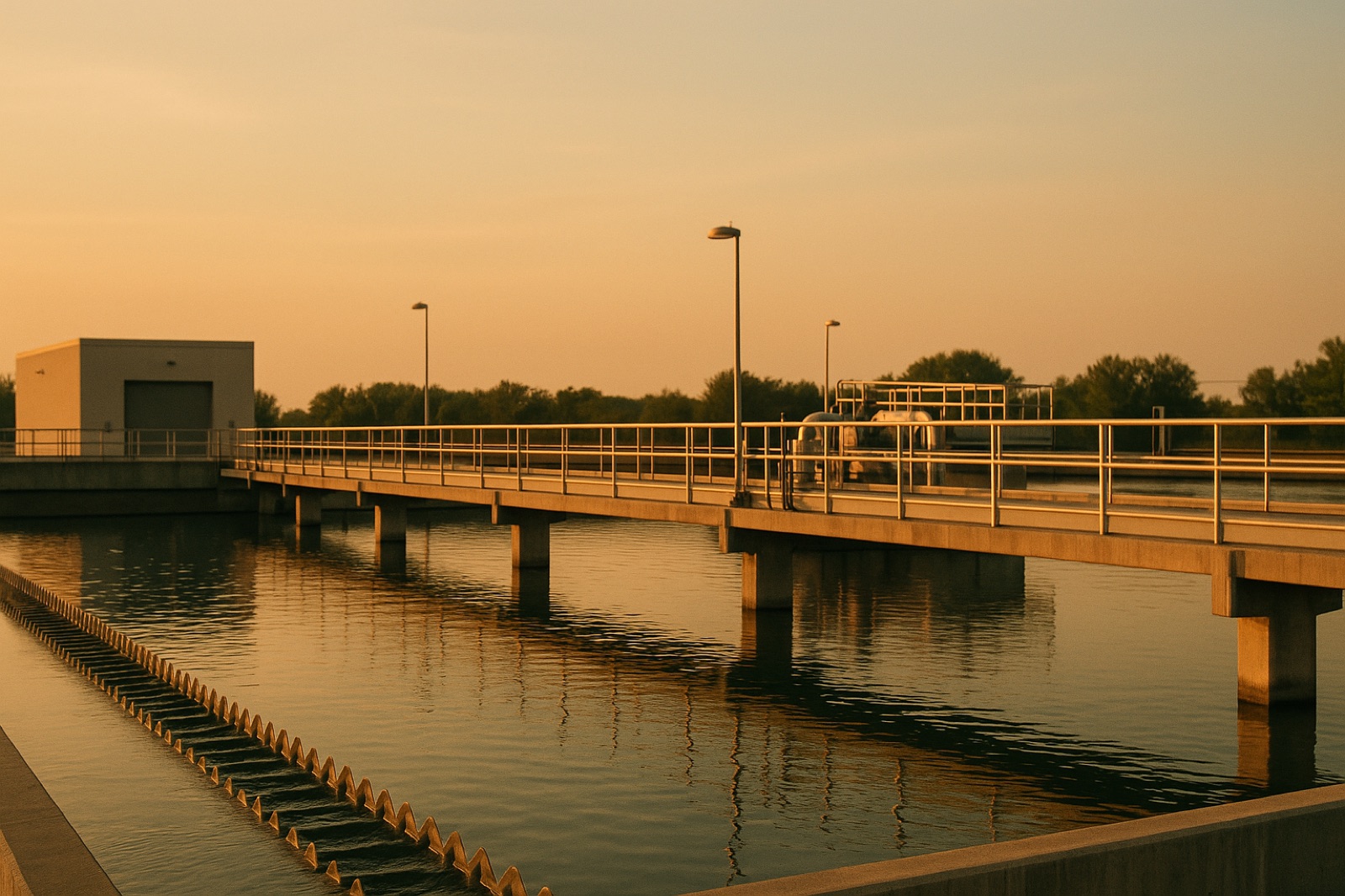
A proposed federal funding cut may sound remote from the decisions made at a Midwest kitchen table. Yet it can prompt practical questions: Who pays to replace aging water infrastructure? Which pipes belong to the utility, and which belong to the homeowner? Would a treatment system solve the problem, or is testing the proper first step?
Water Finance and Management, in a report by WFM Staff, says the National Utility Contractors Association responded to a proposed 68% cut to the Drinking Water State Revolving Fund in connection with a Sept. 3, 2026, hearing of the U.S. House Energy and Commerce Committee. The report on the proposed Drinking Water SRF cut does not establish what any particular community will receive or what will happen to a specific project. It does provide a timely reason for local water companies to explain how public infrastructure and private property responsibilities fit together.
That explanation can be public service first and lead generation second. The useful inquiry is not simply, “Do you need a filter?” It is, “What changed, where in the system might it have changed, and who is responsible for investigating it?”
Start with a homeowner question map
A question map organizes education around the words residents are likely to use. Begin with observable concerns: unusual taste or odor, staining, scale, low pressure, cloudy water, a notice from the utility, or uncertainty about a private well. Then connect each concern to the next responsible action.
The map should distinguish among the public water system, the service line, household plumbing, private wells and point-of-use equipment. It should also separate testing from treatment. A test may help define a problem. A treatment proposal should identify what the equipment is intended to address. Neither should be presented as a substitute for a utility notice or a qualified inspection of plumbing.
For every question, prepare three answers: a short website answer, a longer handout and a phone script. Each version should state what the company knows, what it cannot determine without more information and what the homeowner should gather before requesting an appointment.
Put education on a local calendar
A four-week calendar is enough to make the campaign coherent. Week one can explain the boundary between utility infrastructure and household plumbing. Week two can cover what information appears on a water quality report or utility notice. Week three can explain when testing comes before equipment selection. Week four can show homeowners how to prepare for a service visit.
Each topic can become a short article, an email, a social post and a printable checklist. The message should remain consistent across formats. Funding news may open the conversation, but the local material should not imply that a proposed federal cut has already delayed a nearby project unless the utility itself has documented that result.
Capture enough information to qualify the inquiry
A useful contact form should ask for the municipality or ZIP code, water source if known, whether the home uses public water or a private well, the observed concern, when it began and whether the resident has received a utility notice or test result. It can also ask whether the concern affects every fixture or only one.
Avoid asking homeowners to diagnose the cause. The form should collect evidence, not steer every visitor toward the same product. Include permission for follow-up and a preferred contact method. This is the practical core of how a company can build a local demand system: publish a useful answer, collect relevant context and route the inquiry to the right next conversation.
Use a defined follow-up workflow
Within one business day, acknowledge the inquiry and restate the reported concern. Next, sort it into a clear path: utility question, plumbing question, testing question, private-well question or treatment consultation. Send the matching educational resource before requesting an appointment. After the appointment, record the recommended next step and schedule one follow-up rather than placing the homeowner into an indefinite sales sequence.
The available audience numbers offer a baseline, not proof of conversion. MidwestWaterNews.com reports 3,248 page views, 1,804 visitors, 3,332 AI crawls and 1,891 search crawls. No assists, search queries or trend series were supplied. Those figures show that people and automated systems reached the site, but they do not reveal which subjects generated calls, appointments or completed work. A campaign should therefore track form starts, completed forms, qualified inquiries and appointments by topic.
A sample campaign brief
Audience: Midwest homeowners trying to understand a water concern. Question: Is this a utility, plumbing, well, testing or treatment issue? Promise: Help the resident identify the responsible next step. Assets: One explainer, one responsibility diagram, one checklist, four short posts and one intake form. Measure: Qualified inquiries and scheduled consultations, reported separately from page views. Guardrail: Do not turn a proposed funding change into a claim about a local project without local documentation.
Infrastructure policy is complicated. Homeowner education does not need to be. The strongest local campaign translates the public discussion into a careful sequence of questions, evidence and next steps.