Infrastructure
Navigating Water Infrastructure Challenges in the Midwest
Understanding the complexities of water systems is vital as climate change and population growth put pressure on resources.
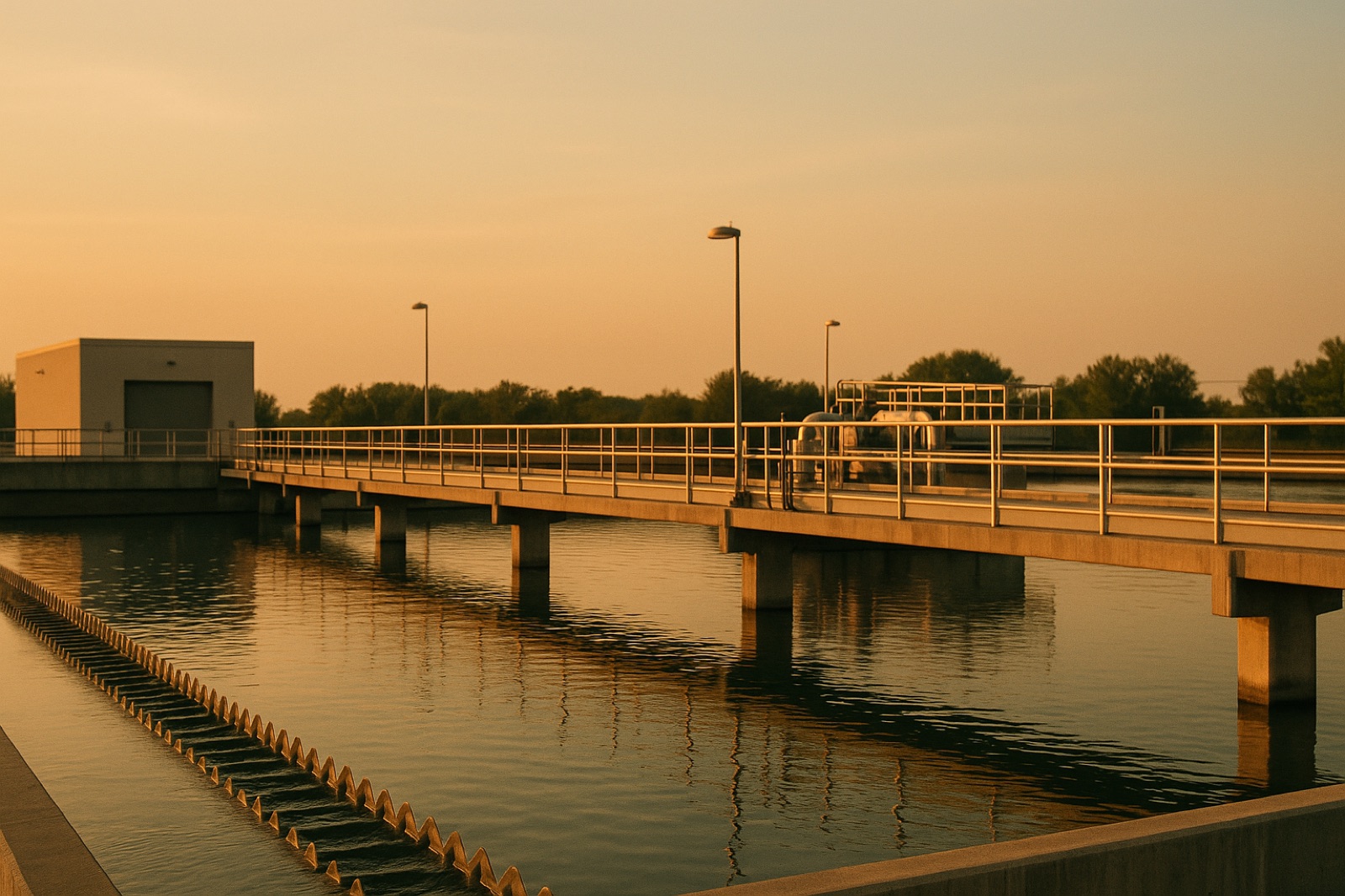
Water infrastructure in the Midwest is a complex web of pipes, treatment plants, and regulations, all working together to deliver clean water to millions of residents. But as climate change escalates and populations shift, maintaining and upgrading these systems is becoming increasingly critical.
Understanding Water Infrastructure
At its core, water infrastructure includes the sources, treatment facilities, and distribution networks that provide drinking water to communities. These systems are designed to ensure that water is safe for consumption, compliant with health regulations, and available when needed. However, many of these systems were built decades ago and are now facing significant challenges.
The Pressures of Climate Change
Recent reports have highlighted how extreme weather events are straining water systems across the country, including in the Midwest. For instance, prolonged heat waves can increase demand for water as households use more for cooling and irrigation. This phenomenon has been discussed in relation to air conditioning accessibility during extreme heat, emphasizing how resource disparity deepens during crisis times, as noted by The Guardian in a recent article.
In addition to rising temperatures, changing precipitation patterns are also impacting water supply. Increased rainfall can overwhelm systems not designed to handle such volumes, leading to flooding and contamination risks. Conversely, drought conditions can lead to water shortages, sparking greater competition for this vital resource.
Population Growth and Urbanization
Midwestern cities are experiencing population growth, which places additional stress on existing water systems. As urban areas expand, the demand for water increases, often faster than infrastructure can be adapted or built to accommodate it. New developments require extensive planning to ensure that adequate water supply and wastewater management systems are in place.
Furthermore, as communities grow, the need for investment in aging infrastructure becomes more pressing. The American Society of Civil Engineers (ASCE) frequently highlights this issue, noting that many systems across the country receive low grades for their condition and capability. Upgrading these systems requires substantial financial resources, which can be a significant barrier for local governments.
Local Solutions and Innovations
Despite these challenges, many communities are exploring innovative solutions to their water infrastructure issues. For example, some cities are investing in green infrastructure, such as rain gardens and permeable pavement, to manage stormwater more effectively. These solutions can help reduce flooding and improve water quality by allowing rainwater to infiltrate the ground rather than overwhelming drainage systems.
Additionally, water conservation initiatives are becoming more common as communities strive to use their water resources more efficiently. Education campaigns and incentives for reducing water use can help alleviate pressure on local systems, especially during times of increased demand.
The Role of Policy and Investment
Addressing these infrastructure challenges requires coordinated efforts at both local and state levels. Policymakers must prioritize funding for water system improvements, ensuring that resources are allocated where they are most needed. The complexity of these systems also necessitates a comprehensive approach to management, considering both current needs and future projections for population growth and climate change.
In conclusion, as the Midwest faces growing pressures on its water infrastructure, understanding these systems' operation and maintenance becomes essential. By investing in innovative solutions and planning for the future, communities can work to ensure that they have reliable access to clean water, even in the face of significant challenges.