Infrastructure
Water Management and Local Partnerships in the Midwest
Exploring how local collaboration is redefining water management strategies across the Midwest.
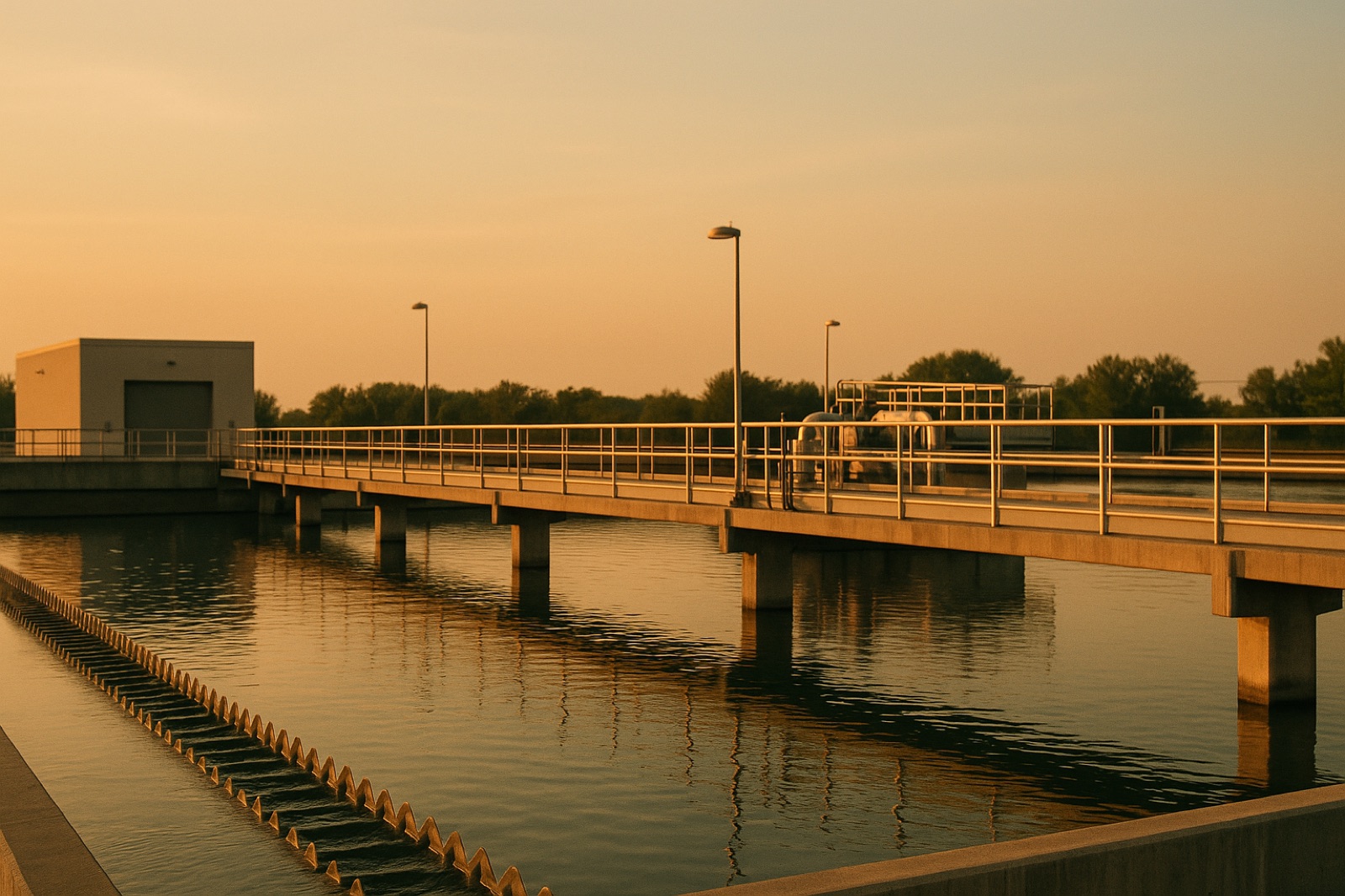
Water management in the Midwest is a complex challenge that involves balancing the needs of urban areas, rural communities, and natural ecosystems. As various regions grapple with the impacts of climate change, pollution, and aging infrastructure, local partnerships are emerging as a crucial element in developing effective water management strategies.
The Importance of Local Collaboration
In many parts of the Midwest, the traditional model of water management, which often relies solely on governmental oversight, is evolving. Local managers are increasingly recognizing the importance of collaboration among various stakeholders, including municipalities, agricultural interests, and environmental organizations. This approach fosters a sense of shared responsibility and can lead to innovative solutions that address the unique needs of each community.
One pertinent example can be drawn from the ongoing discussions around water management in the western United States. As highlighted in a recent Circle of Blue article, the increasing recognition that conflict over water resources is not the solution has led local managers to "choose partnership." While this example is centered in the western U.S., the implications resonate with Midwest communities facing their own water challenges.
Addressing Unique Regional Issues
Each region within the Midwest has its own set of water-related challenges. For instance, areas near industrial sites often deal with contamination from chemical run-off, while rural regions may struggle with ensuring clean drinking water due to outdated infrastructure. In both cases, local partnerships can enable communities to pool resources, share knowledge, and develop targeted remediation strategies.
In Indiana, for example, the recent focus on the intersection of energy production and water quality highlights the importance of collaboration. According to another article from Circle of Blue, the expansion of artificial intelligence and its reliance on fossil fuels could have "hidden costs for water." This situation necessitates a concerted effort among local stakeholders to address potential water contamination stemming from energy production while also planning for sustainable energy alternatives.
Building Sustainable Practices
As water management challenges become more pronounced, the need for sustainable practices becomes critical. Partnerships can play a role in implementing best practices in conservation, pollution prevention, and ecosystem management. Local entities can work together to develop watershed management plans, establish conservation easements, and engage in community education initiatives to promote water stewardship.
Moreover, community engagement is vital. Ensuring that local populations are informed about their water system's status helps foster a culture of accountability. Programs that provide citizens with information about water quality and conservation techniques can empower them to participate actively in protecting their water resources.
The Path Forward
Looking ahead, the future of water management in the Midwest will likely depend on the strength of local partnerships. As communities learn to work together, they can create more resilient water systems that adapt to changing environmental conditions and safeguard public health. By building collaborative frameworks, the Midwest can navigate its water challenges while embracing the shared responsibility that comes with managing this vital resource.
Ultimately, the success of these partnerships will hinge on open communication, shared goals, and a commitment to sustainable practices. As local managers in the Midwest take cues from examples across the country, they have the opportunity to redefine how water management is approached, ensuring clean and reliable water for generations to come.