Infrastructure
Navigating the Challenges of Non-Revenue Water in Midwest Cities
Understanding how advanced metering infrastructure can restore public trust and improve water systems.
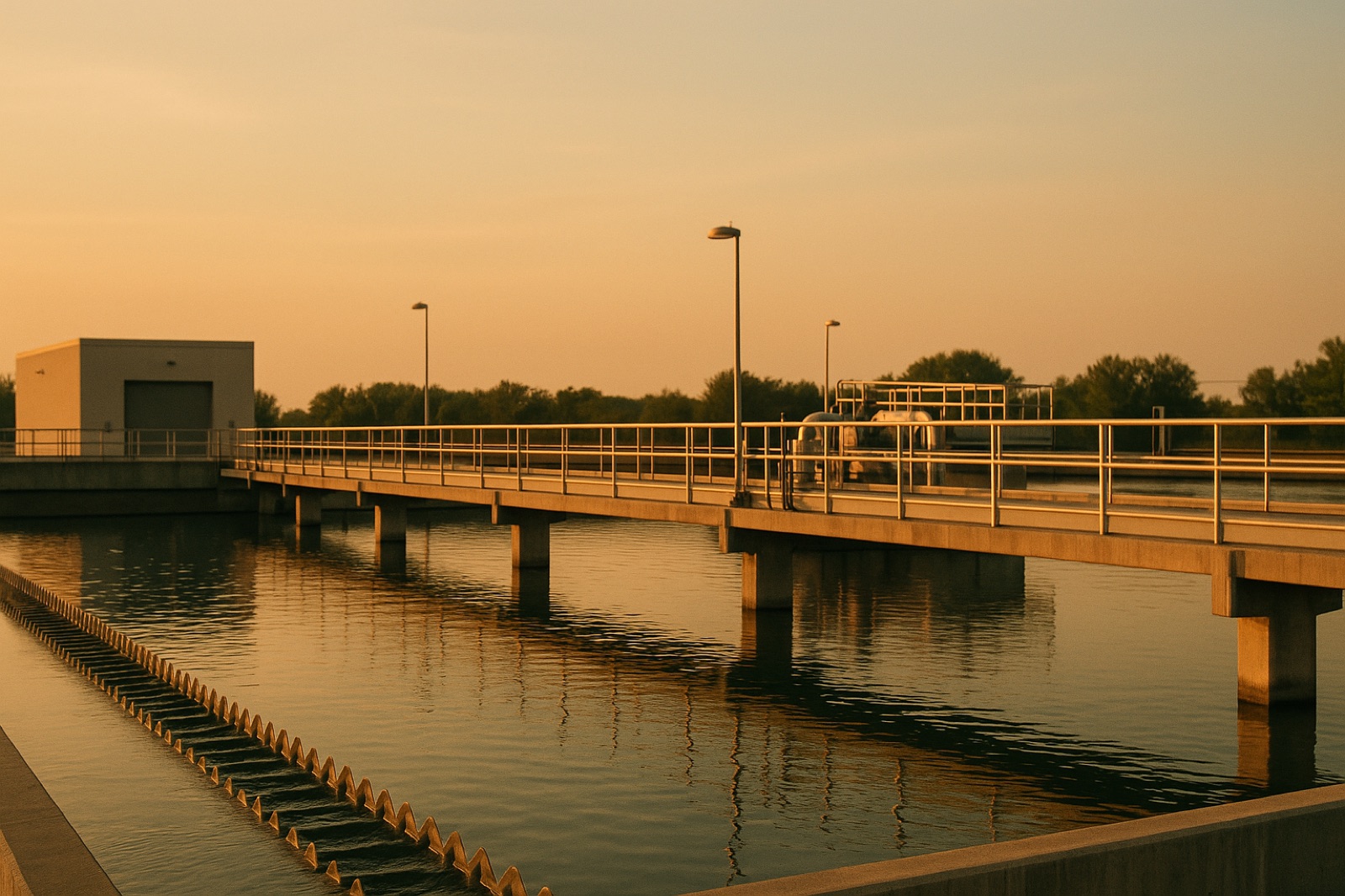
In the world of water utilities, the term "non-revenue water" refers to water that is produced but not billed to customers. This phenomenon is not just a financial issue; it represents a significant challenge for many water systems across the Midwest. Cities like Jackson, Mississippi, are now taking steps to address this issue through the implementation of advanced metering infrastructure (AMI) as part of a broader strategy to enhance accountability and restore public trust.
Understanding Non-Revenue Water
Non-revenue water can result from a variety of factors, including leaks, theft, faulty meters, or billing inefficiencies. In many cases, the percentage of water that falls into this category can be alarmingly high. For municipalities, this translates into lost revenue and can compromise the financial stability of water systems. Addressing non-revenue water is essential not only for fiscal health but also for ensuring that communities receive safe and reliable water service.
The Role of Advanced Metering Infrastructure
The AMI technology enables utilities to collect data on water usage in real time, allowing for more accurate billing and improved leak detection. This proactive monitoring can help utilities quickly identify irregularities that might indicate leaks or other system inefficiencies. As reported by Water Finance and Management and author Andrew Farr, the successful implementation of AMI in Jackson is seen as a key step "in reversing non-revenue water" while also working to restore public trust.
Building Community Trust
Public trust in water systems often fluctuates based on how effectively a utility can demonstrate accountability and transparency. When a community perceives their water utility as efficiently managed, they are more likely to pay their bills and engage with the system positively. In contrast, high levels of non-revenue water can lead to skepticism and frustration among residents.
As utilities like Jackson's adopt new technologies such as AMI, they also need to communicate effectively with their constituents about the changes being made and the anticipated benefits. Transparency about the state of the water system and proactive engagement can build community trust, which is crucial in maintaining a healthy water utility.
Lessons for the Midwest
Many Midwestern cities face similar challenges with their water systems. By observing the steps taken in Jackson, other municipalities can devise their own strategies tailored to their unique circumstances. Investing in advanced metering infrastructure represents one potential avenue for improvement, but cities must also consider their specific infrastructure needs and the local context. This will likely require collaboration between local governments, water utilities, and community organizations.
Additionally, residents in rural areas relying on private wells may need to consider the importance of regular water testing. As issues like contamination arise, it can be beneficial to connect with regional treatment companies that test private wells to ensure safe drinking water. While AMI may primarily benefit municipal systems, lessons learned from its application can inspire rural communities to enhance their own water management practices.
Conclusion
Addressing non-revenue water is a complex task, but it is essential for the sustainability of water systems in the Midwest. As cities like Jackson implement advanced metering infrastructure, other communities can learn from their experiences. Balancing technology with effective communication and community engagement will be key in navigating water challenges moving forward.