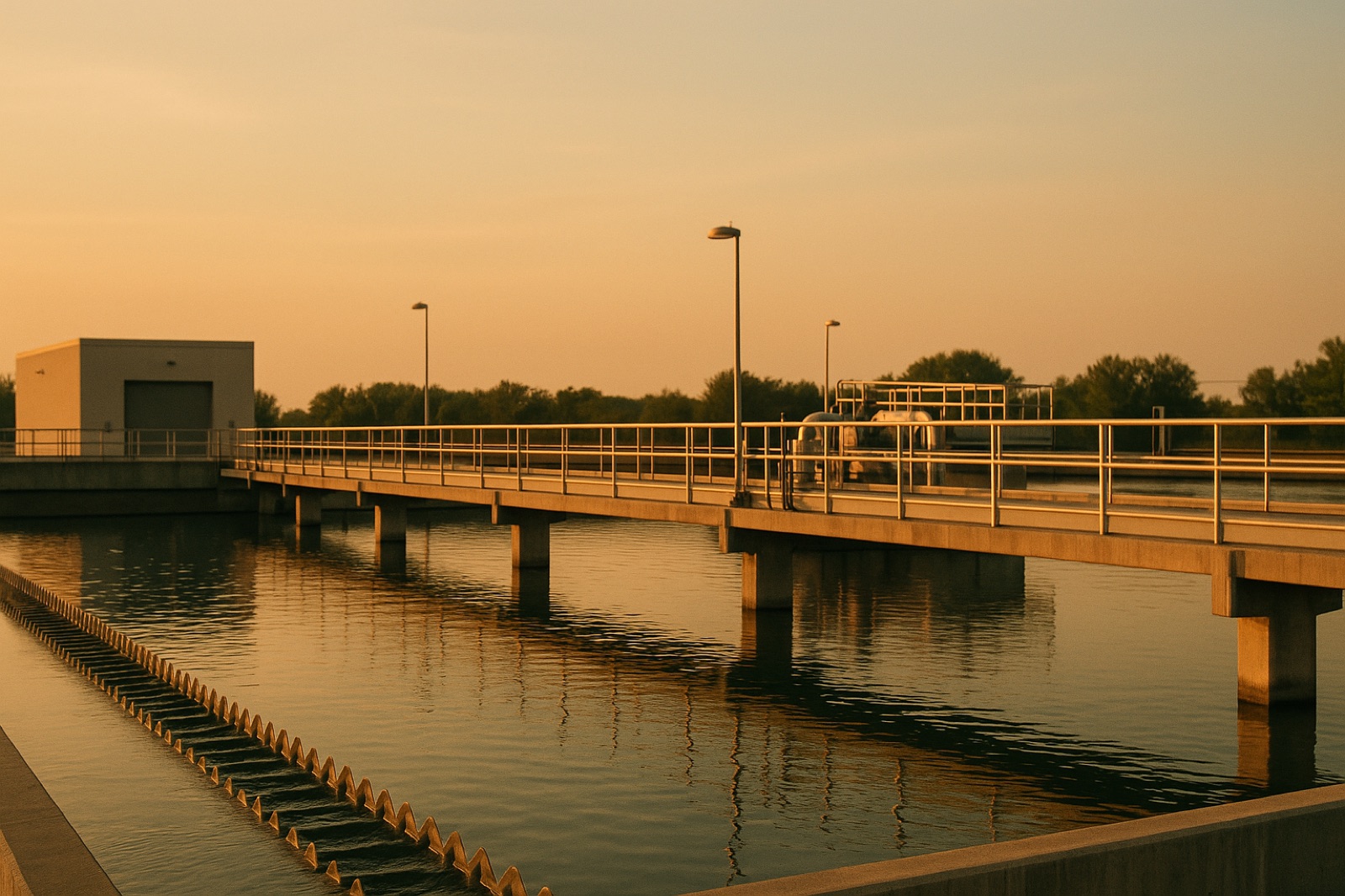
Navigating the Complexities of Water Infrastructure in the Midwest
Understanding how aging systems impact water delivery and safety in Midwest communities
By Staff ·
Water infrastructure is a critical but often overlooked component of public health and safety in the Midwest. Many communities rely on systems that have been in place for decades, if not longer. This aging infrastructure poses unique challenges as cities and rural areas work to maintain safe and reliable access to clean water. As discussions about infrastructure funding and upgrades heat up, it is important for residents to understand how their water systems function and what is being done to protect this vital resource.
The State of Water Infrastructure
Across the Midwest, water infrastructure varies significantly between urban and rural areas. Cities often have better resources to maintain and upgrade their systems, while rural communities may struggle with limited budgets and resources. Many water pipes are made from materials like cast iron and lead, which can deteriorate over time, leading to leaks and contamination. According to the American Society of Civil Engineers, many water systems are in need of urgent attention, with estimates of over $1 trillion needed nationwide to repair and replace aging infrastructure.
Local Challenges and Initiatives
In many regions, community leaders are working to secure funding for water system improvements. This often involves applying for state and federal grants, as well as exploring public-private partnerships to share the financial burden. The Infrastructure Investment and Jobs Act, passed in 2021, allocated significant funding specifically for improving water infrastructure. Local governments are tasked with identifying priority projects, whether it is replacing lead pipes, upgrading treatment facilities, or enhancing monitoring systems to ensure safe drinking water.
For example, in Illinois, numerous municipalities are actively seeking to replace lead service lines as part of statewide initiatives aimed at reducing lead exposure in drinking water. These projects involve not only replacing old pipes but also educating residents on the importance of water safety and the steps being taken to address these issues.
Community Involvement
Community involvement plays a vital role in ensuring water systems are functioning effectively. Local councils and advocacy groups are increasingly focused on informing residents about water quality issues and infrastructure projects. This transparency is essential, as many residents may not be aware of the state of their water systems or the potential risks associated with aging infrastructure.
Moreover, civic engagement can lead to stronger advocacy for necessary changes. As seen in other parts of the country, like the recent discussions around climate adaptation in Texas, issues surrounding natural resources can transcend political lines. As reported by The Guardian, residents united across party lines to preserve their natural resources, which reflects a broader trend of community cooperation when facing significant environmental challenges.
The Future of Water Systems
Looking ahead, the future of water systems in the Midwest hinges on a combination of investment, innovation, and community engagement. As climate change intensifies, water systems must adapt to increased rainfall, droughts, and extreme weather events that threaten both supply and infrastructure integrity. Continued education on water issues, as well as advocacy for funding and policy changes, is crucial to ensure that these systems remain effective and safe for all residents.
In conclusion, understanding how water systems operate and the challenges they face is essential for anyone living in the Midwest. By staying informed and engaged, communities can better navigate the complexities of water infrastructure and advocate for necessary improvements that safeguard public health and the environment.