Infrastructure
Water Infrastructure in the Midwest: The Crucial Role of Local Systems
An exploration of how local water systems in the Midwest sustain communities and the challenges they face.
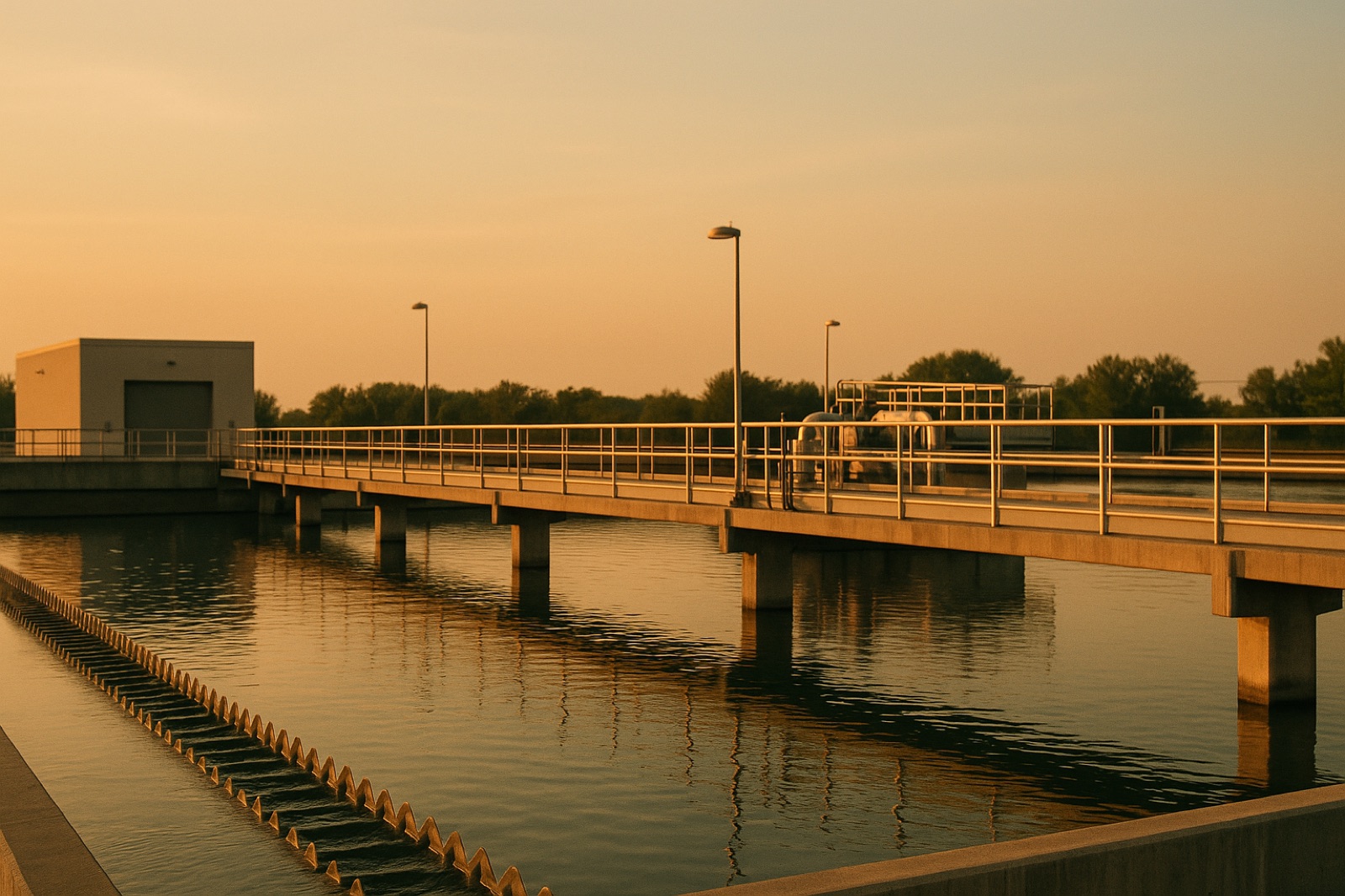
The Midwest is home to a vast and intricate network of water systems that serve millions of residents in both urban and rural areas. These systems bring clean drinking water to homes, support agriculture, and provide recreational opportunities, making them essential to the region's economy and quality of life. Understanding how these water systems work and the challenges they face is essential for residents who depend on them.
The Basics of Water Infrastructure
Water systems typically consist of a series of treatment plants, distribution pipelines, and storage facilities. In the Midwest, many municipalities source their water from rivers, lakes, or underground aquifers. This water undergoes rigorous testing and treatment to remove impurities before reaching the tap.
After treatment, the water enters a distribution network made up of pipes that can span miles and vary in material, age, and condition. Some of these pipes are decades old and may have deteriorated due to environmental factors such as soil shifts or corrosion. Regular maintenance and upgrades are critical to ensuring that these systems can deliver safe drinking water consistently.
Challenges Facing Water Systems
As the demand for clean water grows, various challenges confront water infrastructure in the Midwest. Population growth, climate change, and aging infrastructure are just a few of the issues that municipalities are grappling with. For instance, as mentioned in a recent article by Circle of Blue, the AI boom in Indiana is reshaping the energy landscape, but it also has hidden costs for water resources. Increased water demand from industries, including tech companies, can strain local supplies, making it imperative for communities to reassess their water management strategies.
Moreover, climate change poses a significant threat to water systems. Changing weather patterns lead to unpredictable rainfall and severe droughts, which can impact water availability and quality. For example, rural areas that rely on wells and aquifers may find their water levels dropping due to prolonged dry spells, necessitating better management practices.
The Importance of Local Action
Local action is vital for addressing these challenges. Many communities are beginning to invest in infrastructure improvements and innovative water management practices. For instance, adopting green infrastructure, such as rain gardens and permeable pavement, can help mitigate stormwater runoff and reduce the burden on treatment facilities.
Additionally, public awareness campaigns can play a crucial role in educating residents about water conservation and the importance of protecting local water sources. Encouraging behaviors like reducing water usage during peak demand times can contribute to a more sustainable water future.
The Future of Water Systems in the Midwest
As discussions around water quality and infrastructure continue to evolve, it is clear that collaboration among stakeholders is essential. Local governments, community organizations, and residents must work together to ensure that water systems remain resilient amid changing conditions.
One area that is gaining attention is the contamination of water supplies by persistent pollutants like PFAS (per- and polyfluoroalkyl substances), which are found in various commercial products. These chemicals pose risks to human health and the environment, leading to increasing scrutiny of water quality in the Great Lakes region. According to a recent article by Circle of Blue, communities in Ontario are struggling with PFAS contamination, highlighting the need for effective remediation strategies and robust monitoring systems.
As the Midwest grapples with the intersection of technology, environmental challenges, and community needs, the future of its water infrastructure will depend heavily on informed decisions and proactive measures. By understanding the complexities of local water systems and the issues they face, residents can play a crucial role in ensuring a sustainable and safe water future for their communities.