Infrastructure
Funding Water Infrastructure: A Vital Step for Midwest Communities
The EPA's recent funding initiative highlights the importance of improving water systems in tribal and rural areas.
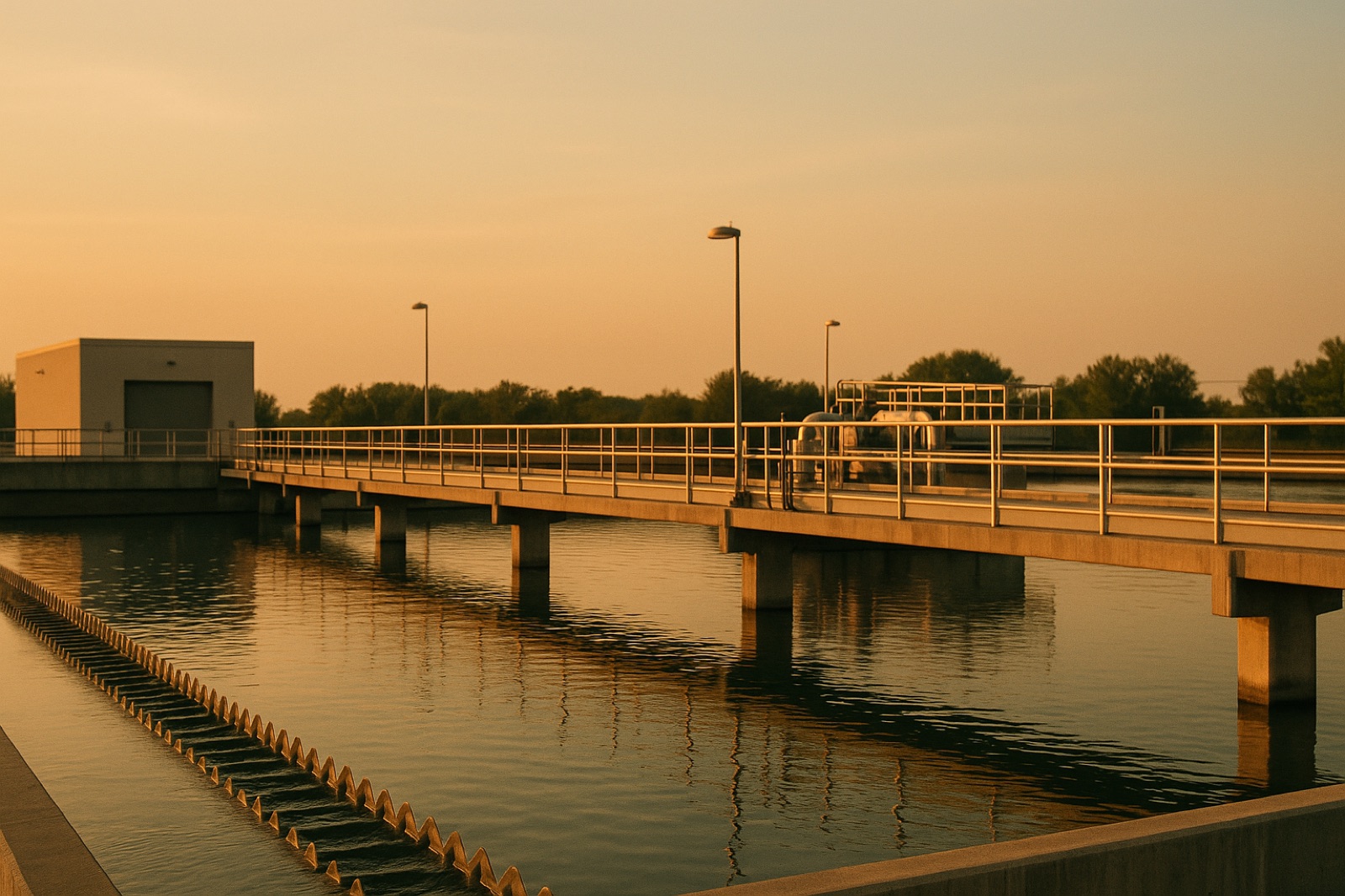
Water infrastructure in the United States is facing a multitude of challenges, from aging pipes to inadequate wastewater treatment facilities. As communities across the Midwest strive to maintain and improve their water systems, recent announcements from federal agencies offer a glimpse into potential solutions. In June 2023, the U.S. Environmental Protection Agency (EPA) announced over $227 million in funding directed toward American Indian Tribes and Alaska Native Villages to enhance drinking water and wastewater services. This funding aims to provide these communities with access to safe and reliable drinking water, an essential aspect of public health and quality of life.
Much like rural areas in the Midwest, tribal communities often deal with unique challenges in accessing clean water. For instance, many tribal lands are located in remote areas where infrastructure investment has historically lagged. The EPA's funding opportunity is not just a financial boon; it recognizes the systemic inequities that have left many communities without adequate water services.
The Importance of Reliable Water Systems
Reliable access to clean water is critical for not only human health but also local economies. In the Midwest, a region rich in agriculture, any disruption in water services can have cascading effects on farming, food production, and local businesses. Moreover, the funding from the EPA is timely as many Midwestern states are grappling with the impacts of climate change and increasingly erratic weather patterns, which can put additional strain on existing water resources.
As highlighted in the EPA announcement, the funding will facilitate improvements in infrastructure, which can lead to enhanced efficiency in water delivery and wastewater management. Increased efficiency can translate into cost savings for communities and help ensure that water services are sustainable over the long term.
Lessons from Other Regions
In examining water system challenges, it is insightful to look at global issues that reflect similar struggles. For instance, Circle of Blue recently reported on saltwater intrusion in Gambia, where rising sea levels threaten freshwater supplies. While this situation may seem distant, it underscores the importance of proactive measures in safeguarding water resources against climate impacts. The Midwest may not face saltwater intrusion, but it does confront its own challenges, such as fluctuating water levels in the Great Lakes and the implications of agricultural runoff.
By drawing lessons from regions experiencing similar challenges, Midwestern policymakers and community leaders can better anticipate potential threats to their water systems. Investing in infrastructure, much like the recent EPA funding, is a critical step toward mitigating these risks.
Looking Forward
While the EPA's funding is a positive development, it is only one piece of the puzzle in addressing the broader issues facing water infrastructure in the Midwest. Communities must not only secure funding but also prioritize long-term planning and maintenance of water systems. Effective collaboration among local governments, utilities, and community organizations is essential to ensure that funds are utilized efficiently and sustainably.
In conclusion, as the Midwest navigates the complexities of water management, the recent federal funding serves as a reminder of the ongoing need for investment in water infrastructure. Creating resilient systems will require a concerted effort to address both immediate needs and future challenges, ensuring that all communities have access to the clean water they deserve.