Infrastructure
Use the Water Bill as a Question Finder, Not a Sales Pitch
A seasonal education plan can help local water companies sort billing confusion from household water concerns and give homeowners a useful next step.
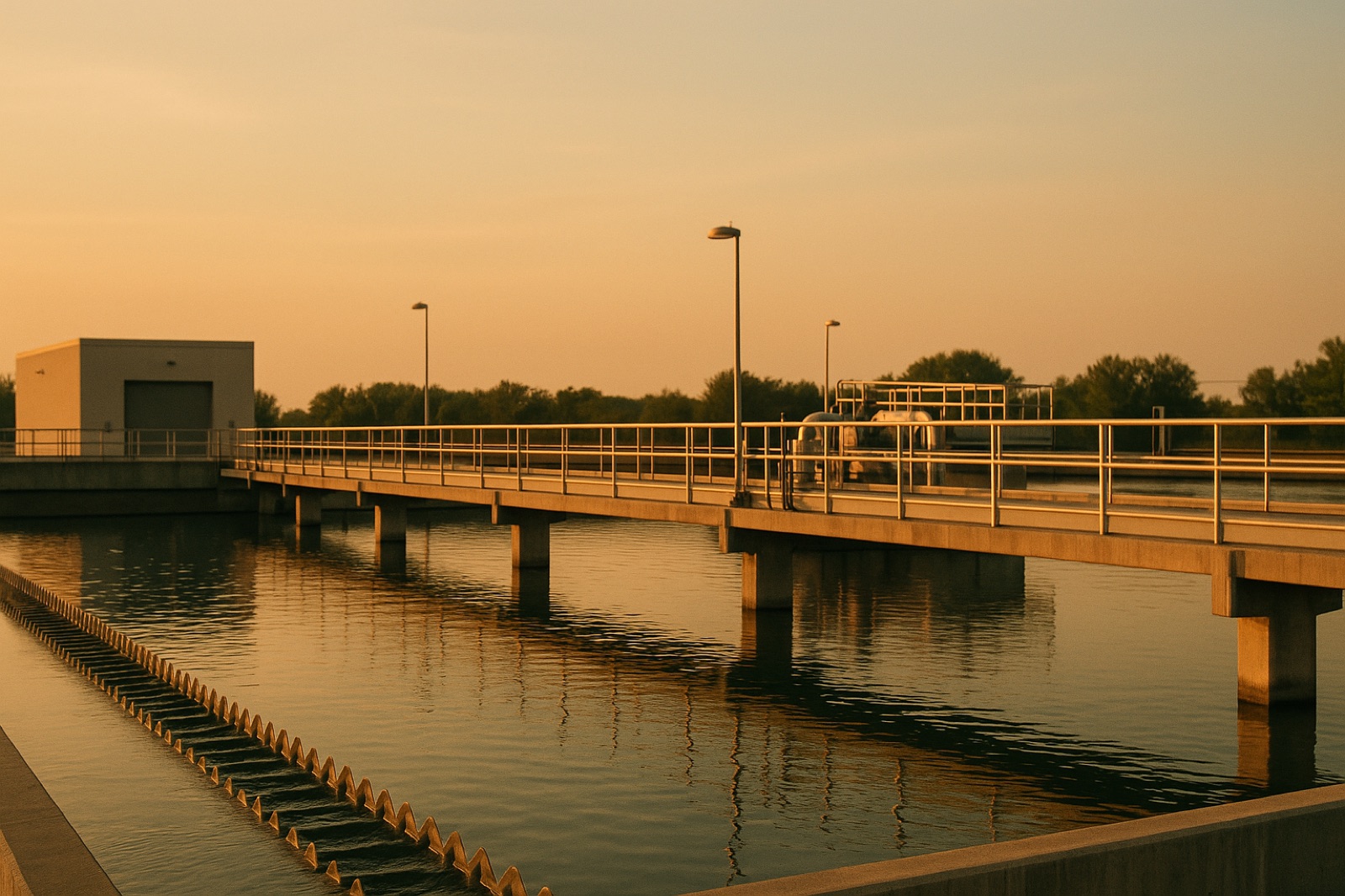
A water bill can prompt several different questions at once. Did the household use more water? Did the rate change? Could there be a leak? Would treatment equipment affect the amount due?
Those questions do not all belong to the same organization. The utility can explain rates, meter readings and account practices. A plumber may investigate a leak. A water treatment company can discuss water quality, but should not imply that treatment will reduce utility charges unless a specific, supportable connection exists.
That division of responsibility matters now because billing itself can shape customer service. Water Finance and Management, in its report on billing practices and revenue collection, says lean budgets and tight staffing can keep water and wastewater utilities on legacy billing systems well past their prime. The story also notes that a major upgrade is a heavy lift.
For local water companies, this is not an invitation to turn utility frustration into a sales pitch. It is a reason to build an educational campaign around the questions a bill raises, answer only the questions the company is qualified to address, and route the rest to the proper source.
Start with a homeowner question map
The map can have four lanes. The first covers bill mechanics: rates, fees, estimated readings, payment processing and account corrections. Direct those questions to the utility. The second covers water use: running toilets, irrigation, seasonal use and possible leaks. Offer a basic checklist, then direct repair questions to an appropriate professional.
The third lane covers water quality: taste, odor, staining, scale or a laboratory result. A local water company can explain which observations warrant testing and what information is needed before discussing equipment. The fourth covers service logistics: whether existing equipment needs maintenance, who services it and what records the homeowner already has.
This map qualifies a lead without forcing the homeowner through a sales script. A useful lead is not merely a name and phone number. It is a household with a defined question, a location within the service area, a stated source of water, and permission for a specific kind of follow-up.
Build a local education calendar
Plan one topic for each week of a four-week cycle. Week one can explain how to read the local utility bill and identify the correct customer-service contact. Week two can cover a simple indoor and outdoor water-use review. Week three can explain the difference between utility billing concerns and water-quality concerns. Week four can show homeowners what information to gather before requesting a treatment consultation.
The calendar should reflect local systems rather than generic national language. Municipal water and private wells create different questions. So do homes with existing softeners, filters or treatment equipment. Each item should end with one next step, not a menu of products.
Use a restrained lead-capture checklist
A form connected to this campaign needs only the information required to route the question: name, preferred contact method, ZIP code, municipal water or private well, the homeowner's main concern, whether testing has been completed, and permission to respond. Ask whether the person wants education, testing information, service on existing equipment or a consultation.
Do not treat an unexplained bill increase as proof of a water-quality problem. Keep any uploaded bill optional, and tell homeowners to remove account numbers and payment information. The form should also say what happens after submission and when the company expects to reply.
Give every response a follow-up path
Within the company's stated response window, assign the inquiry to one of three paths: education only, referral outside the company, or qualified service conversation. Send the promised resource first. Then ask one focused follow-up question. Record the answer and the homeowner's consent before scheduling another contact.
A practical campaign brief might read: Help households understand which water-bill questions belong to the utility and which household water concerns require another step. Audience: homeowners in the confirmed service area. Offer: a one-page bill and water-question worksheet. Primary action: choose the question category. Success measure: completed forms with service area, water source, concern and follow-up permission.
MidwestWaterNews.com currently reports 3,248 page views, 1,804 visitors, 3,332 AI crawls and 1,891 search crawls. No assists, queries or trend series were supplied, so those totals do not reveal which topic produced a lead or whether interest is rising. A local company that wants to build a local demand system should establish that measurement before claiming campaign performance.
The useful principle is simple: let the bill reveal the question, then send the homeowner to the right answer. That makes education valuable even when the proper next step is not a sale.