Infrastructure
Navigating Water Infrastructure Challenges in Midwest Cities
Exploring the role of advanced metering infrastructure and funding in improving urban water systems.
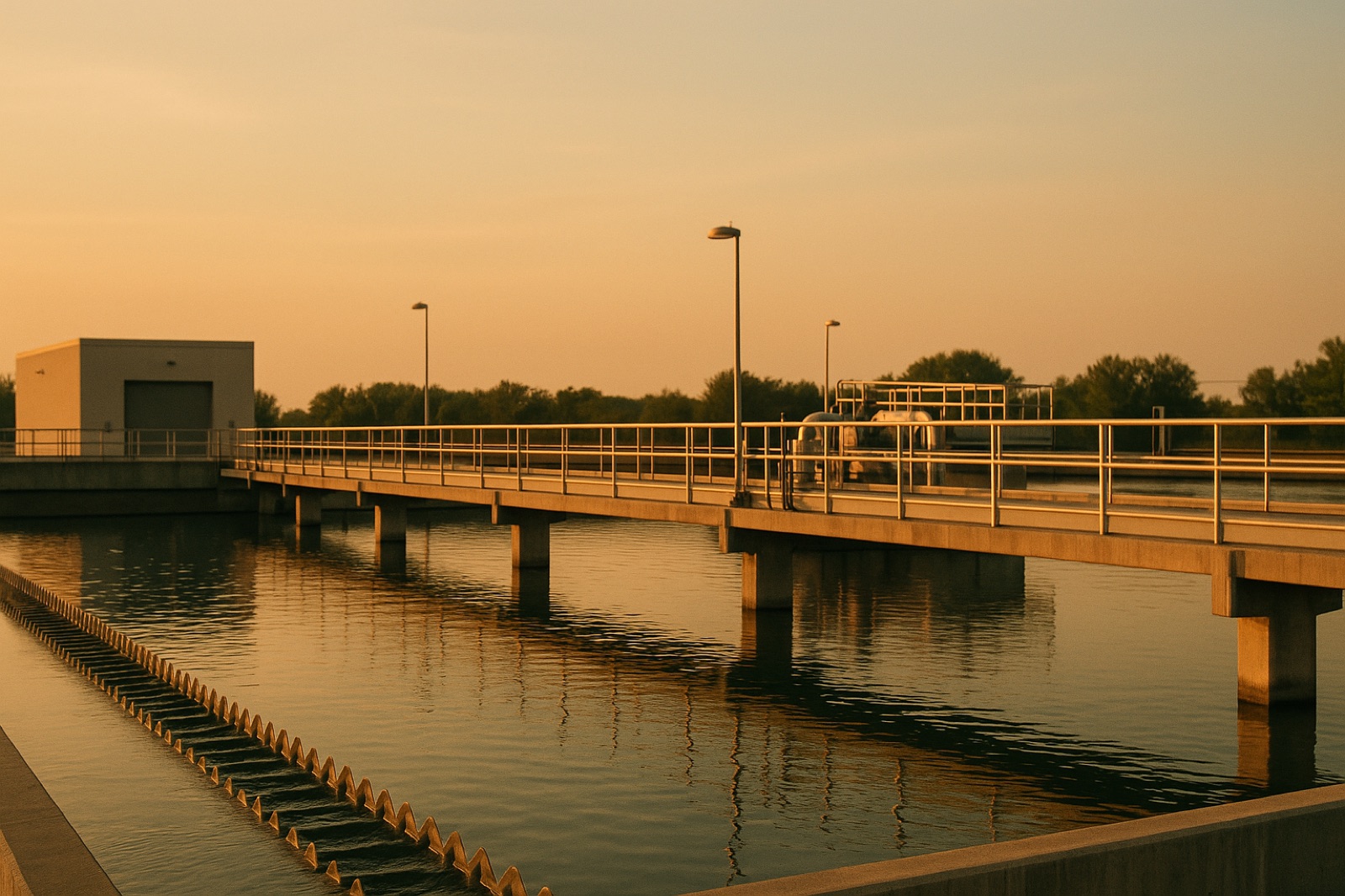
The infrastructure that supports our drinking water systems is often unseen and underappreciated. Yet, it plays a crucial role in ensuring communities have access to safe and reliable water. As Midwest cities face increasing pressure from aging facilities and growing populations, innovative solutions such as advanced metering infrastructure (AMI) are being implemented to address these challenges.
Understanding Advanced Metering Infrastructure
Advanced metering infrastructure refers to systems that facilitate the automatic collection of meter readings and allows for real-time monitoring of water usage. By replacing traditional meters with smart technology, utilities can improve billing accuracy and quickly detect leaks or irregular usage patterns. This technology is particularly important in mitigating non-revenue water, which refers to water that is produced but not billed to customers due to issues like leaks or inaccurate meters.
One recent initiative highlighting the potential of AMI is taking shape in Jackson, Mississippi. According to a report from Water Finance and Management, the AMI project there is key in reversing non-revenue water and restoring public trust in the city's water system. While the specific circumstances in Jackson may differ from those in Midwest cities, the underlying principles of utilizing technology to enhance water system efficiency can be universally applied.
The Role of Funding in Infrastructure Improvements
While technology like AMI can significantly enhance water management, it often requires substantial investment. Recently, the U.S. Environmental Protection Agency (EPA) announced more than $227 million in funding aimed at improving drinking water and wastewater services for Tribal communities and Alaska Native villages. This funding, as reported by Water Finance and Management, underscores the federal commitment to supporting underserved communities in accessing safe water.
Many Midwestern cities, particularly those that are older and have seen declining populations, face unique funding challenges. These cities may struggle to secure the necessary resources to invest in modern infrastructure. This can lead to a cycle of deferred maintenance, where outdated systems fail to meet current standards and put public health at risk. The proactive approach of securing federal grants and leveraging AMI can help cities break this cycle.
Community Trust and Engagement
Any discussion of improving water infrastructure must also consider the importance of community trust. Initiatives like AMI can exacerbate public concerns if not communicated effectively. Utilities must engage with residents, ensuring they understand how new technologies work and the benefits they provide. Transparency is vital for building trust, especially in communities that may have experienced previous failures in their water systems.
In Jackson, the implementation of AMI has been framed as a step toward restoring public confidence in the municipal water supply. As cities across the Midwest consider similar upgrades, they should prioritize communication and community involvement. Fostering an open dialogue can help mitigate any skepticism surrounding new technologies and promote collective responsibility for water stewardship.
Looking Ahead
The future of water infrastructure in the Midwest depends on a combination of innovative technology, adequate funding, and strong community ties. As cities grapple with aging systems and growing demands, it is clear that advanced metering infrastructure can play a vital role in creating more efficient and reliable water services. However, success will require a concerted effort from local leaders, utility managers, and residents alike.
By learning from the experiences of other cities like Jackson and making the necessary investments, Midwestern communities can ensure that their water systems are not only functional but also trusted and embraced by the public they serve.