Infrastructure
Collaboration Over Conflict: Lessons from Water Management Strategies
Exploring how local water managers are opting for partnerships to address water scarcity issues.
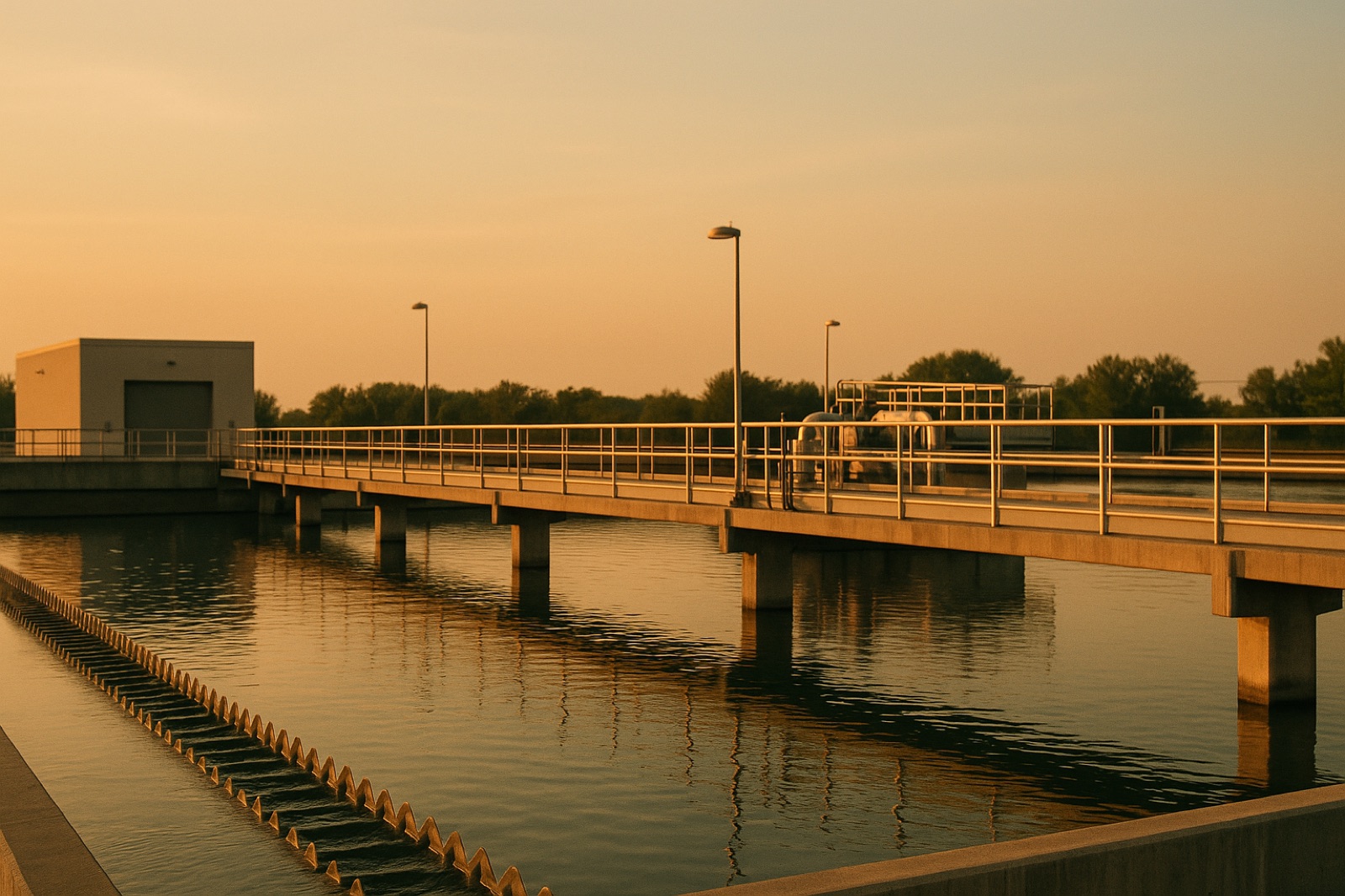
The Midwest, home to vast water resources, also faces unique challenges regarding water management. As climate change progresses, the pressure on these systems intensifies. Recent discussions in the Great Lakes region and beyond emphasize a shift from competitive to collaborative approaches in managing water resources.
The Increasing Pressure of Climate Change
Climate change is reshaping the landscape of water availability, and not just in arid regions. The Midwest has seen fluctuations in precipitation patterns, leading to periods of both drought and flooding. Local water managers are forced to adapt to these changes while ensuring that water systems remain functional and equitable.
The Power of Partnership
Recently, innovative management strategies have emerged, focusing on collaboration rather than conflict. One noteworthy instance comes from the Colorado River basin, where water scarcity has driven local managers to pursue partnerships. According to an article in Circle of Blue, these partnerships are vital to preserving water resources and ensuring that all stakeholders have a voice in the management process.
Midwest Applications of Collaborative Strategies
In the Midwest, similar approaches can be applied. Local water managers can benefit from sharing resources and knowledge with neighboring communities. For example, cities that experience heavy rainfall can collaborate with those facing drought to find sustainable solutions that benefit both parties. This type of cooperative management helps to optimize water usage and mitigate the risks associated with climate variability.
Community Engagement in Water Management
Community involvement is also crucial in these collaborative efforts. Engaging local residents in discussions about water management encourages transparency and builds trust. It allows for the identification of unique regional challenges and solutions that may not be apparent to outside entities. For instance, community-led initiatives can highlight the specific needs of agricultural areas versus urban centers, allowing for tailored water management strategies.
Learning from Global Perspectives
While the Midwest has its own distinct challenges, global perspectives on water management can provide valuable lessons. For instance, in Gambia, saltwater intrusion due to climate change is affecting agriculture and freshwater supply. As Ebrima Nyan observed in the article titled Circle of Blue, local farmers are facing unprecedented changes that require innovative solutions. This highlights the need for adaptive management strategies that can respond to environmental changes.
Moving Forward
The future of water management in the Midwest depends on a willingness to embrace collaboration. As the pressures of climate change continue to mount, partnerships that prioritize sustainable practices and community engagement will become increasingly important. By learning from both local efforts and global experiences, Midwestern communities can develop robust water management strategies that ensure a resilient water future for all.