Infrastructure
Understanding the Challenges of Water Infrastructure in the Midwest
A closer look at the aging infrastructure that underpins water systems across the Midwest.
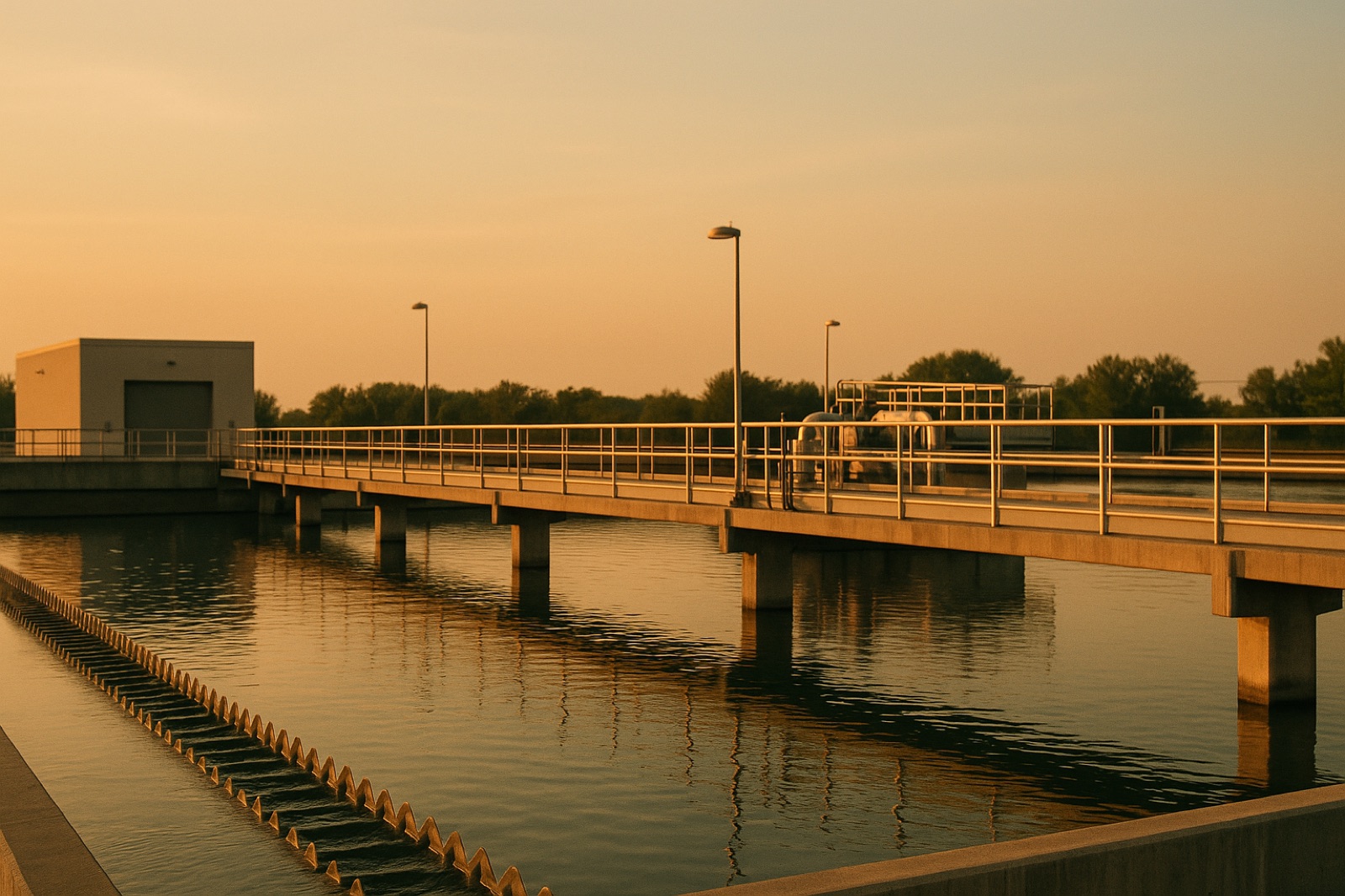
Water infrastructure is the backbone of our communities, serving as a crucial system for delivering clean drinking water, supporting agriculture, and managing stormwater. As climate change and population dynamics continue to exert pressure on these systems, understanding the challenges of our aging water infrastructure has never been more essential.
The State of Water Infrastructure
Many cities across the Midwest are grappling with outdated water systems. According to the American Society of Civil Engineers, many water mains and treatment facilities were built more than 50 years ago. This aging infrastructure is not only susceptible to leaks and breaks but also impacts the quality of water delivered to residents. In particular, many urban areas are experiencing increased frequency of water main breaks, which can cause service disruptions and costly repairs.
As rural areas are often less equipped with modern infrastructure, they face unique challenges. These communities sometimes rely on private wells and smaller treatment systems, which may not be subject to the same oversight as municipal water supplies. This can lead to disparities in water quality and availability, especially in the face of extreme weather events.
Impact of Climate Change
Recent discussions surrounding climate change have highlighted the importance of preparing our water infrastructure for more extreme weather patterns. For instance, heat waves, which are becoming increasingly common, can strain water systems by increasing demand while simultaneously affecting water quality. In a recent article from The Guardian, it is noted that "the next great climate divide will be between countries that have the resources to adapt and those that don’t." This sentiment resonates deeply in the Midwest, where some communities may lack the financial resources to upgrade their infrastructure swiftly.
Investing in Upgrades
Addressing the shortcomings of aging water systems requires a multi-faceted approach. Investment in infrastructure is critical, both from federal programs and state initiatives. The Bipartisan Infrastructure Law, passed in 2021, allocates significant funds toward upgrading water systems, particularly for lead pipe replacement and improving water treatment facilities. However, local governments must also prioritize these upgrades in their budgets and planning.
Engaging with local stakeholders is vital as well. Water management authorities need to work closely with residents to understand their specific needs and concerns. Transparent communication regarding water quality and system performance can strengthen community trust and encourage public involvement in local governance.
Private Wells and Regional Support
Private wells are a common source of water in rural areas but often lack the same regulatory oversight as larger municipal systems. For rural residents, ensuring the safety and reliability of their water supply is paramount. Fortunately, there are regional treatment companies that test private wells, helping homeowners identify potential contaminants and ensure their drinking water meets safety standards. These services can be crucial in areas where access to modern infrastructure is limited.
Future Considerations
As we look toward the future, it will be essential for Midwest communities to not only maintain their existing infrastructure but also to innovate and adapt it in response to changing environmental conditions. From investing in new technologies to exploring alternative sources of water, proactive strategies will be necessary to create resilient water systems. Collaboration between local governments, private entities, and citizens will play a pivotal role in shaping the future of water management in the Midwest. For those interested in understanding more about the resources available, organizations like Jones Water offer insights into the testing and treatment of private wells, contributing to better water quality for all.