Infrastructure
Navigating the Impact of Extreme Heat on Water Infrastructure in the Midwest
As climate change intensifies, understanding the interplay between extreme heat and water systems becomes crucial for Midwestern communities.
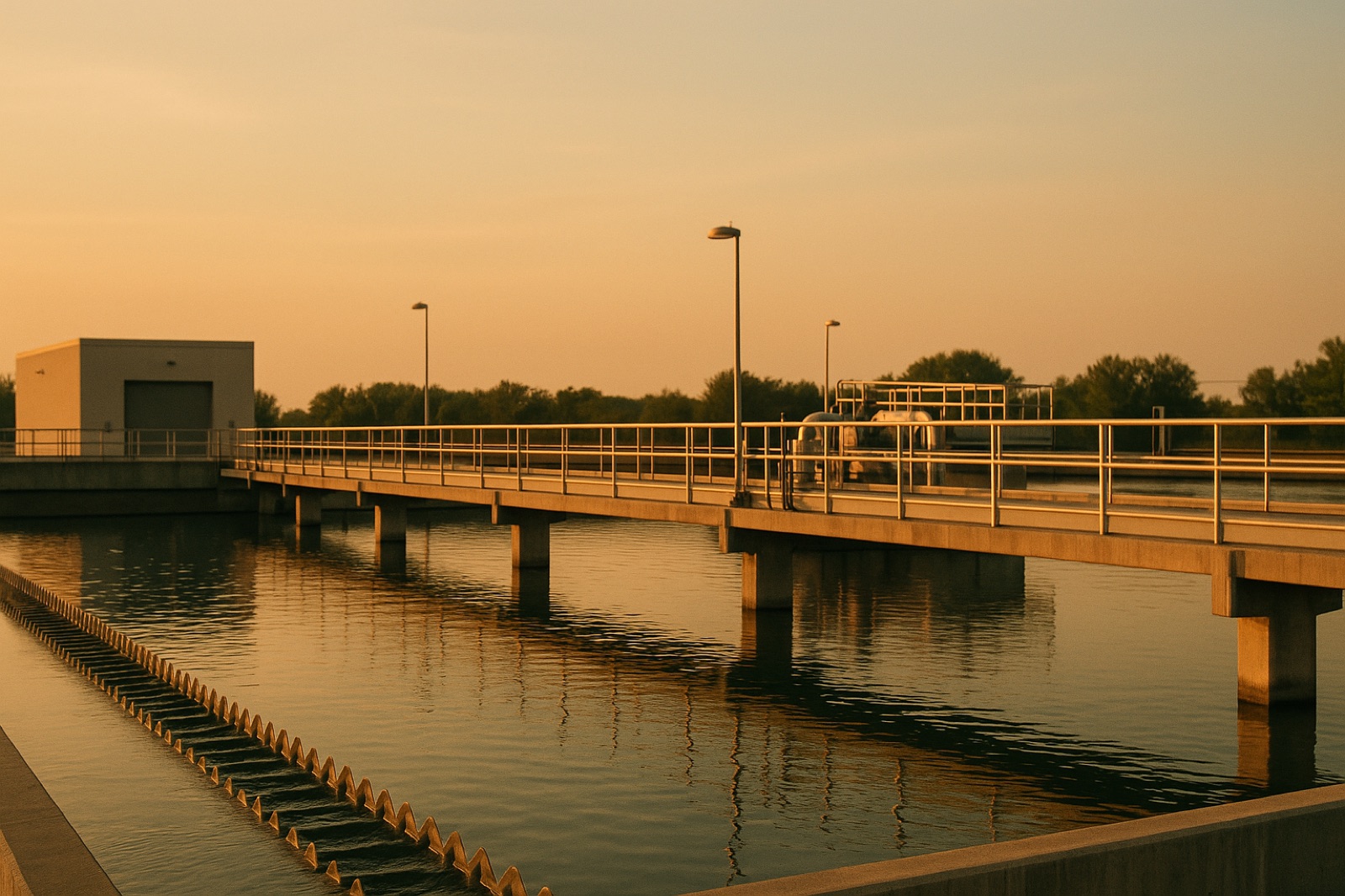
As the summer months arrive, Midwestern states are not immune to the rising temperatures that have been experienced across the United States. With record-breaking heat waves becoming more common, the effects on water infrastructure and supply are increasingly at the forefront of discussions among communities and local leaders.
Extreme heat can impact water systems in several significant ways. One of the primary concerns is the increased demand for water, as residents and businesses require more of it for drinking, irrigation, and cooling purposes. This surge in demand places additional stress on water treatment facilities and distribution systems, which were not necessarily designed to handle such fluctuations.
Increased Demand for Water
During heat waves, the demand for water can rise sharply. As temperatures soar, the need for irrigation in farming - an essential industry in the Midwest - intensifies. Corn and soybean fields, which are crucial to the regional economy, require substantial water to sustain their growth under harsh conditions. Cities also see increased water usage as residents try to keep cool, running air conditioning units, filling pools, and watering lawns. This phenomenon is particularly concerning as it can lead to temporary shortages or increased prices for water, prompting local governments to implement restrictions on usage.The infrastructure that supports our water systems is also susceptible to overheating. Water treatment plants, which rely on a delicate balance of chemical processes to purify water, can experience challenges during extreme temperatures. The heat can affect the efficacy of treatment chemicals and the biological processes that help break down pollutants. Consequently, maintaining water quality becomes more complex during these periods.
Impacts on Water Quality
The quality of water can degrade as temperatures rise. Warmer water temperatures can lead to increased algae growth, especially in lakes and rivers, which can produce toxins harmful to both human health and aquatic life. This is a growing concern in areas around the Great Lakes, where such blooms have been documented in recent years. The potential for algae blooms raises questions about the safety of drinking water supplies and the cost implications for local treatment facilities, which must invest in advanced treatment techniques to mitigate these issues.Additionally, the operational aspects of water distribution systems can be severely tested by extreme heat. Aging pipes may expand and contract, leading to leaks and ruptures. In regions where water infrastructure is already in disrepair, the consequences can be dire, resulting in costly repairs and service interruptions, further complicating the relationship between heat and water supply.
Adapting to a Changing Climate
As climate change continues to shape weather patterns, municipalities are being urged to rethink their approaches to water management. This includes investing in infrastructure upgrades that can withstand the pressures of extreme temperatures and re-evaluating water conservation practices. Community education on the importance of water conservation can also play a critical role in mitigating the impacts of heat on water resources.Moreover, as Mark Wolfe notes in a recent piece from The Guardian, "the next great climate divide will be between countries that have the resources to adapt and those that don’t." This sentiment rings true in the Midwest, where access to appropriate funding for infrastructure improvements can vary widely between urban and rural areas. Ensuring equitable access to water resources during heat waves is crucial for community resilience.
In conclusion, as the Midwest braces for the impact of extreme heat, understanding how these changes affect local water systems is vital. By prioritizing infrastructure resilience and community education, Midwestern states can better navigate the challenges posed by rising temperatures and ensure a stable water supply for generations to come.