Infrastructure
Navigating the Future of Water Infrastructure in the Midwest
As climate impacts escalate, understanding regional water infrastructure becomes paramount for communities across the Midwest.
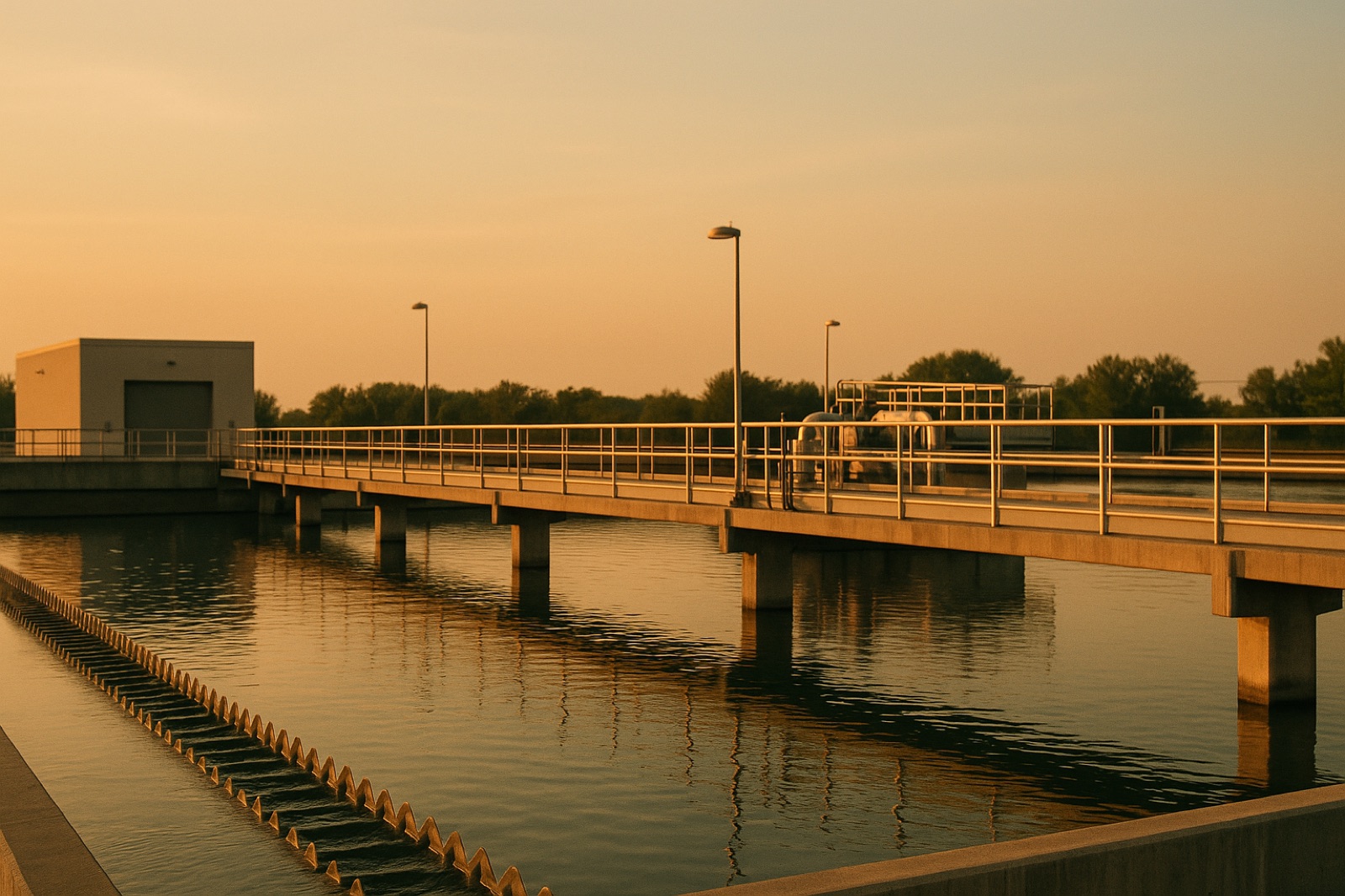
The Midwest is home to a complex network of water infrastructure systems that play a critical role in ensuring safe and reliable water access for millions of residents. As climate change intensifies, these systems face increased pressure, making it essential for communities to understand how they work and what steps can be taken to improve resilience.
The Backbone of Water Systems
Water infrastructure in the Midwest consists of a variety of components, including treatment plants, distribution networks, and wastewater management systems. Treatment plants are responsible for purifying water from rivers, lakes, and aquifers before it is distributed to households and businesses. The distribution network is a series of pipes and pumps that transport the treated water to end users.
In addition to delivering clean water, wastewater management systems collect and treat sewage before returning it safely to the environment. This essential process prevents contamination and protects public health. The entire system requires regular maintenance and investment to ensure efficiency and effectiveness.
Current Challenges Facing Water Infrastructure
Recent climate events have underscored the vulnerabilities of water systems across the Midwest. Increased rainfall, flooding, and extreme heat events threaten the integrity of these infrastructures. For instance, heavy rains can overwhelm treatment plants and lead to untreated sewage being released into waterways. This not only affects local ecosystems but also poses risks to public health.
Moreover, aging infrastructure is a significant concern. Many water systems in the Midwest were built decades ago and are in desperate need of upgrades. According to the American Society of Civil Engineers, over 50 percent of the nation's water mains are over 50 years old. As these systems deteriorate, the likelihood of leaks and failures increases, leading to higher maintenance costs and risks for communities.
Innovative Solutions and Investments
To address these challenges, many Midwest communities are exploring innovative solutions and investing in infrastructure improvements. One promising approach is the adoption of green infrastructure, which utilizes natural processes to manage stormwater. These solutions include rain gardens, permeable pavements, and green roofs, all designed to absorb excess rainwater and reduce runoff.
Additionally, federal funding initiatives have been established to assist communities in upgrading their water systems. Recent federal legislation has allocated billions of dollars to enhance water infrastructure nationwide. This funding can be directed toward repairing aging pipes, upgrading treatment facilities, and implementing new technologies to improve service reliability.
The Role of Community Engagement
Community engagement is crucial for the successful implementation of infrastructure improvements. Local residents often have valuable insights into the specific needs and challenges within their water systems. By fostering open communication between municipal leaders and community members, cities can prioritize projects that will have the most significant impact.
Furthermore, educating the public about water system management can empower residents to become advocates for necessary changes. Initiatives that promote awareness of water conservation, pollution prevention, and climate adaptation can help build a culture of stewardship that supports sustainable water practices.
Looking Ahead
As the Midwest braces for a future marked by climate uncertainty, the resilience of water infrastructure will be critical. Understanding the intricate workings of these systems allows communities to make informed decisions about management and investment. Balancing immediate needs with long-term sustainability will require collaboration, innovation, and a commitment to protecting water resources for future generations.
While the future may present challenges, it also brings opportunities for growth and improvement in the Midwest's water systems. By investing in infrastructure today, communities can ensure a secure water supply for tomorrow - one that meets the demands of both people and the environment.