Infrastructure
Exploring the Challenges of Aging Water Infrastructure in the Midwest
A look into the pressing need for updates to water systems across the Midwest region.
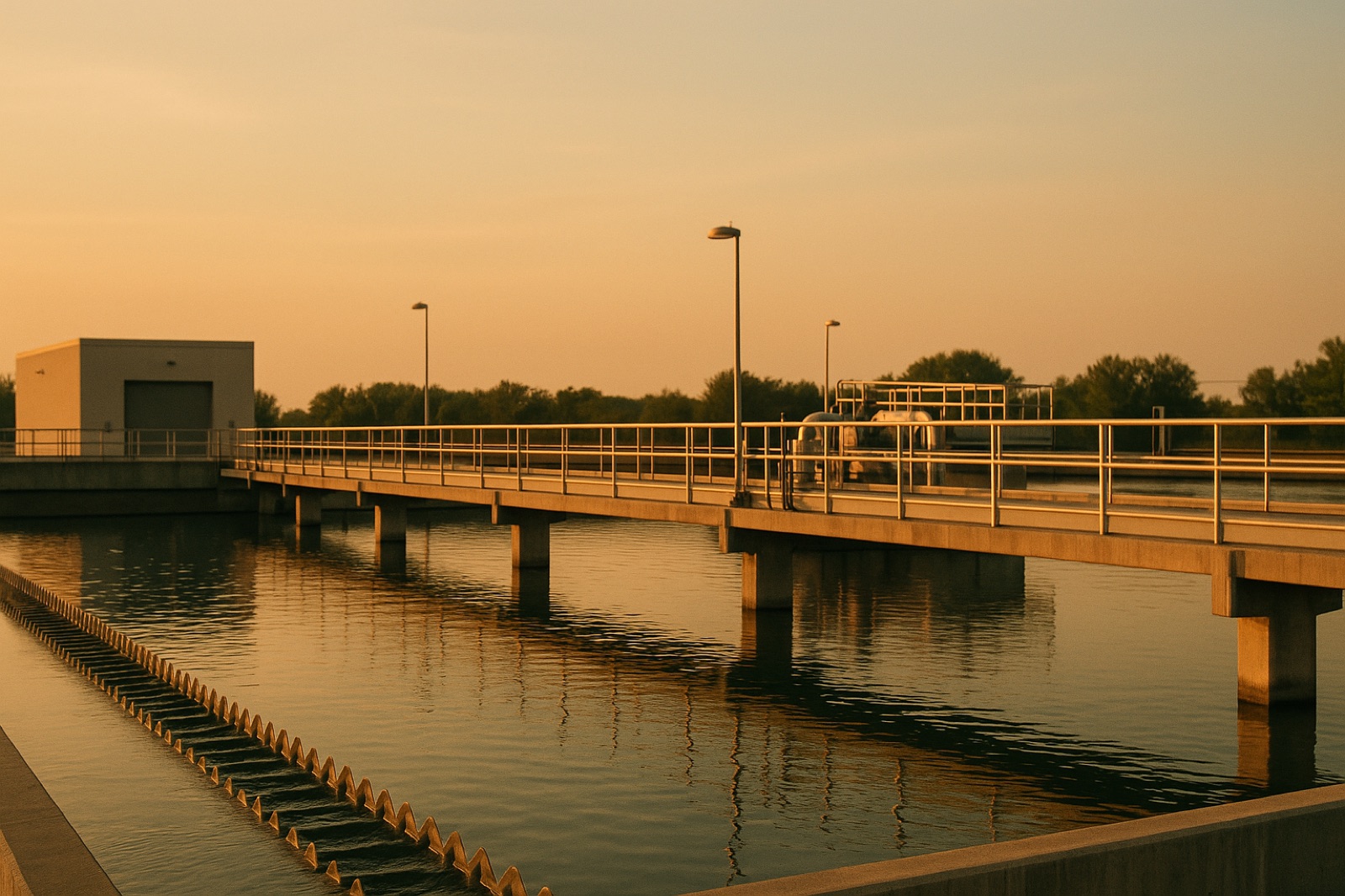
The Midwest is home to a vast network of water infrastructure that has been serving communities for decades. However, as these systems age, they face numerous challenges that threaten their reliability and efficiency. This article explores the state of water infrastructure in the Midwest, the implications for communities, and the steps being taken to address these challenges.
The State of Aging Infrastructure
Many water systems in the Midwest are grappling with outdated pipes, treatment facilities, and storage tanks. According to a report by the American Society of Civil Engineers, many of the region's water mains were installed in the early to mid-20th century, and are reaching the end of their effective lifespan. These aging systems increase the risk of leaks, breaks, and contamination, which can compromise water quality and public health.
Routine maintenance and upgrades are essential to keeping these systems functional. However, financial constraints often limit the ability of local governments to invest in necessary repairs or replacements. Some municipalities are stuck in a cycle of patching up problems as they arise, rather than addressing the underlying issues through comprehensive infrastructure planning.
Community Impacts
The consequences of failing water infrastructure extend beyond inconveniences like brown water or low pressure. Communities bear the costs of emergency repairs and may experience increased water rates as utilities seek to fund improvements. Additionally, when water quality issues arise, residents may find themselves without access to safe drinking water, forcing them to rely on bottled water or other costly alternatives.
In recent years, the Midwest has seen a growing number of water crises, such as the lead contamination issues in Flint, Michigan, which have sparked public outcry and heightened awareness regarding the importance of water infrastructure. Such events serve as stark reminders of the potential dangers posed by neglected systems, leading to calls for more significant investments and policy changes.
Funding and Solutions
Addressing the challenges posed by aging water infrastructure requires a multi-faceted approach. Federal funding has become increasingly available to assist local governments. For example, the Bipartisan Infrastructure Law, enacted in 2021, is intended to provide significant resources for water system upgrades across the country. This includes funding specifically allocated for lead pipe replacement and improvements in treatment facilities.
Additionally, public-private partnerships are emerging as a viable solution for financing infrastructure projects. Collaborations between local governments and private companies can lead to innovative approaches in managing and upgrading water systems, potentially alleviating some of the financial burdens on municipalities.
Looking Ahead
As the Midwest grapples with the realities of aging water infrastructure, it is crucial for communities, policymakers, and stakeholders to engage in open dialogue about the future of these systems. By prioritizing long-term planning and investment, the region can work toward creating resilient water systems that will serve its residents for generations to come.
In conclusion, the challenges of aging water infrastructure are significant, but they are not insurmountable. With concerted efforts to secure funding, implement innovative solutions, and engage communities in the process, the Midwest can address these issues head-on, ensuring safe and reliable water for all.