Infrastructure
Partnerships and Innovations in Water Management: Lessons from the Midwest
Exploring how collaborative efforts and technological advancements can improve water systems in the Midwest.
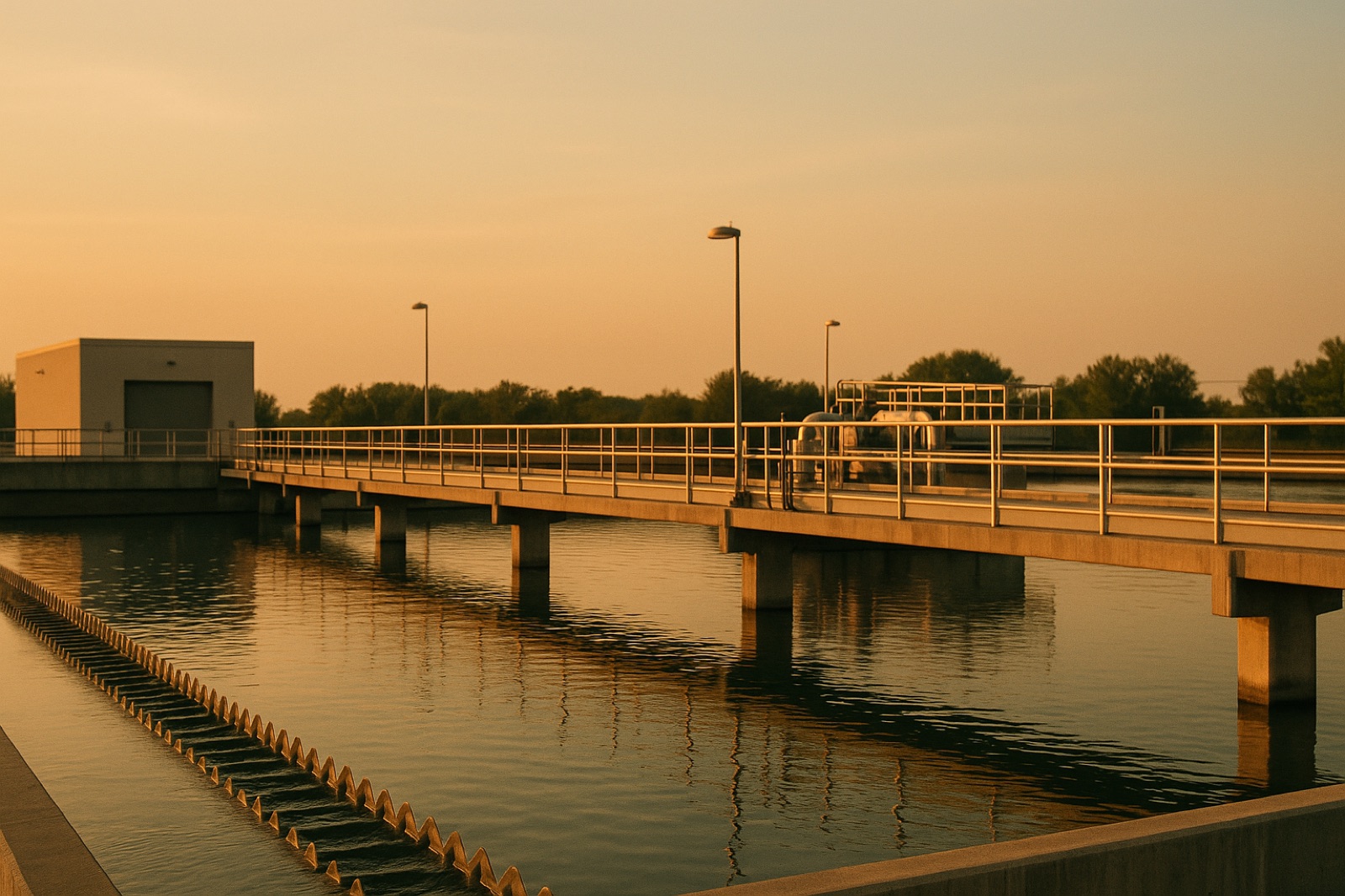
As the Midwest grapples with aging water infrastructure and increasing demands on its water systems, local managers and utility leaders are seeking innovative solutions to ensure the sustainability and safety of water resources. Learning from examples across the nation, such as the partnerships highlighted in Circle of Blue, local officials are recognizing the importance of collaboration to effectively manage and protect these vital resources.
The Growing Need for Collaboration
The challenges facing water systems in the Midwest are multifaceted. From climate change impacts to population growth and industrial demands, the region's water resources are under increasing pressure. Traditional methods of water management, which often prioritize competition over cooperation, may no longer suffice. Instead, innovative partnerships among municipalities, agricultural producers, and environmental organizations are emerging as crucial to addressing these challenges.
By fostering collaborative relationships, water managers can share resources, knowledge, and best practices, leading to more effective strategies for water conservation and management. This approach was recently highlighted in the context of the Colorado River's challenges, where local managers prioritized partnership over conflict in response to ongoing water shortages. Such a mindset can serve as a valuable model for the Midwest as it confronts its own water-related issues.
Innovations in Water Technology
In addition to collaboration, technological advancements are playing a significant role in modernizing water systems across the Midwest. Utilities are increasingly adopting smart water technologies, which utilize data analytics and sensor networks to monitor water quality and distribution in real time. This proactive approach helps identify leaks, optimize water treatment processes, and enhance overall system efficiency.
Moreover, the recognition of high-performing clean water utilities, as noted by the National Association of Clean Water Agencies, emphasizes the importance of innovation in meeting regulatory standards and community expectations. These utilities exemplify how adopting new technologies and practices can lead to significant improvements in water quality and operational efficiency. As communities strive to modernize their systems, these examples can provide a roadmap for successful implementation.
Policy Support for Sustainable Water Management
Effective water management also requires supportive policies at local, state, and federal levels. As awareness of water issues grows, there has been increased advocacy for funding infrastructure improvements and water conservation initiatives. Policymakers must prioritize investments in sustainable water management practices that reflect the needs of diverse stakeholders, from urban areas to rural communities.
The integration of policy and innovation can create an environment where clean water utilities thrive and effective partnerships flourish. By aligning funding opportunities with collaborative projects, governments can help ensure that all communities have access to safe and reliable water resources.
Conclusion: A Collaborative Future for Midwest Water Management
In conclusion, the future of water management in the Midwest hinges on collaboration and innovation. By embracing partnership models and leveraging technology, communities can better navigate the complexities of water challenges. As demonstrated by the recent honors given to high-performing utilities by the National Association of Clean Water Agencies, the path forward is clear: through shared efforts and forward-thinking policies, the Midwest can build resilient water systems for generations to come.