Infrastructure
Strengthening the Water Workforce: A Path Forward for Midwest Utilities
Exploring the challenges and opportunities for improving the water workforce in the Midwest.
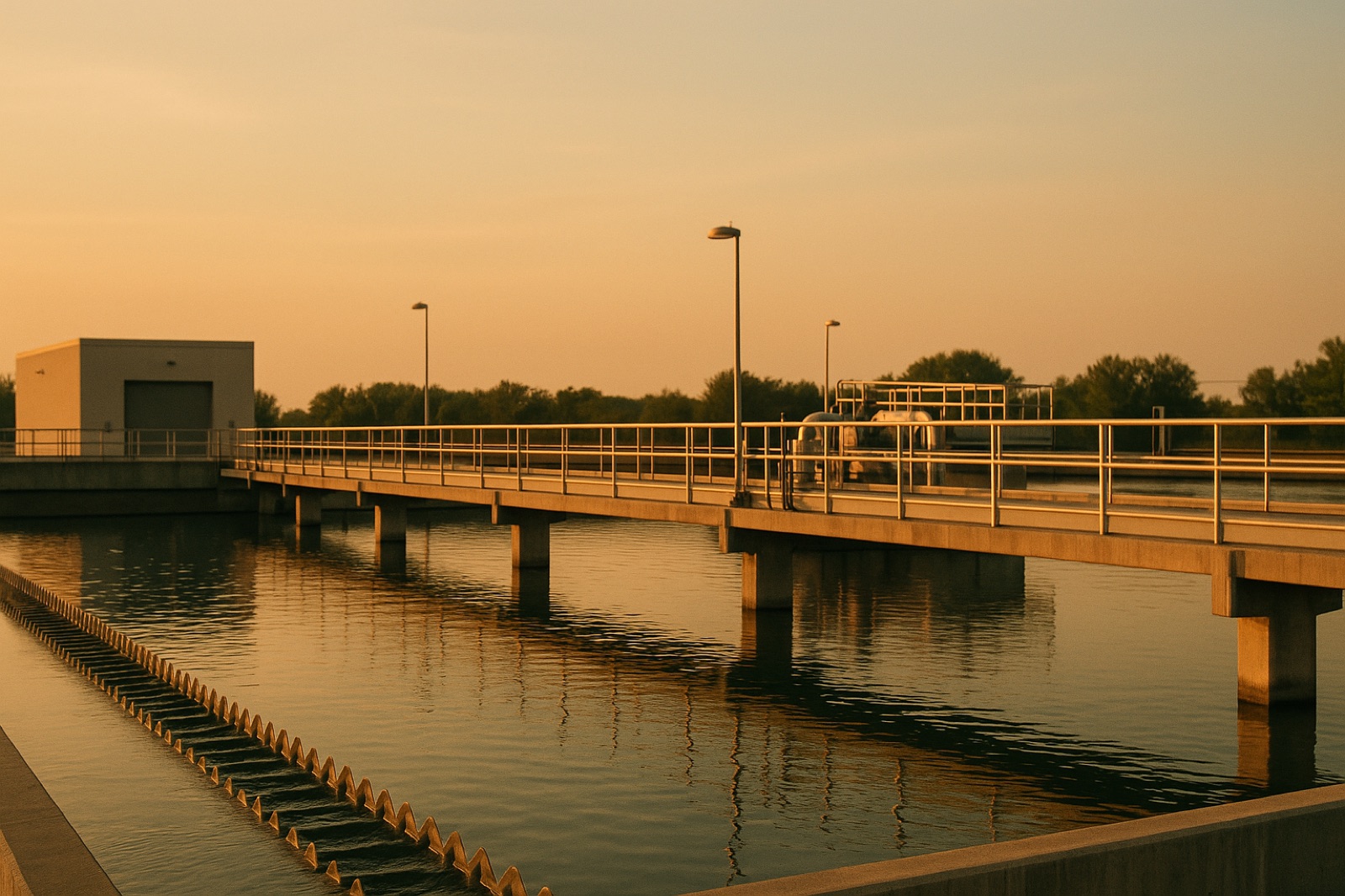
As the demand for safe and reliable water services continues to grow in the Midwest, the need for a skilled workforce in the water sector has never been more critical. The U.S. Environmental Protection Agency (EPA) recently convened a roundtable discussion on August 4, 2026, to explore strategies for enhancing the water workforce. The focus was on how to better recruit and retain individuals into meaningful careers in water, addressing the pressing need for skilled professionals in this essential field.
The Importance of a Skilled Water Workforce
Water systems are complex networks that require skilled personnel to manage and maintain. From ensuring safe drinking water to treating wastewater, these systems rely on a workforce that understands both the technical and regulatory aspects of water management. As many experienced professionals approach retirement, the gap left by their departure threatens the stability and effectiveness of water services.
The discussion at the EPA roundtable highlighted the critical role of training and mentorship in developing the next generation of water professionals. Participants noted that increasing awareness of water issues among young people can inspire them to consider careers in this vital sector. This awareness can be cultivated through educational programs and community outreach initiatives that emphasize the importance of water management.
Addressing Barriers to Entry
One of the significant challenges identified at the roundtable is the barriers that prevent individuals from entering the water workforce. These barriers can include lack of access to training programs, financial constraints, and insufficient information about available opportunities. The EPA is exploring ways to reduce these barriers, potentially through partnerships with educational institutions and community organizations.
In addition to recruitment, retention strategies are equally vital. Utilities may need to enhance working conditions, offer competitive salaries, and provide ongoing professional development to keep skilled workers in the field. The EPA’s efforts can help utilities understand the best practices in workforce management and the importance of fostering a supportive workplace culture.
The Cybersecurity Imperative
While workforce development remains a priority, the water sector faces additional challenges, particularly in cybersecurity. The American Water Works Association (AWWA) recently urged Congress to expand cybersecurity measures for water utilities following a series of cyber attacks on systems across multiple states. Such incidents underscore the need for water utilities to not only maintain their physical infrastructure but also to safeguard their digital operations.
Cybersecurity threats pose a growing risk to water utilities. As technology evolves, so does the sophistication of cyber attacks. Utilities must invest in both their workforce and their technology to ensure they can respond effectively to these threats. This includes training staff to recognize potential cyber risks and implementing robust security protocols.
A Collaborative Approach to Challenges
Addressing these challenges in the water sector requires collaboration among various stakeholders, including federal and state agencies, utilities, educational institutions, and community organizations. A collective effort can lead to innovative solutions that improve both the workforce and the infrastructure of water systems. For instance, partnerships can be formed to create internship programs that provide hands-on experience for students while ensuring that utilities have access to a pipeline of trained professionals.
The need for a strong water workforce is especially pressing in the Midwest, where water challenges are often exacerbated by climate change and increasing population pressures. By investing in workforce development and cybersecurity, the region can build a more resilient water system capable of meeting future demands.
As the conversation around these topics continues, it is essential for all stakeholders to remain engaged and proactive. The EPA’s efforts to host dialogues aimed at improving workforce retention and recruitment, as well as the AWWA’s call for enhanced cybersecurity measures, illustrate a growing recognition of the interconnectedness of these issues. A well-trained and secure water workforce will be crucial for ensuring the sustainability and safety of water services across the Midwest.