Infrastructure
Recycled Water Is Not One Thing. Here Is How to Read a Local Proposal
A clear water reuse plan should identify the source, treatment process, intended use and people responsible for keeping the system safe.
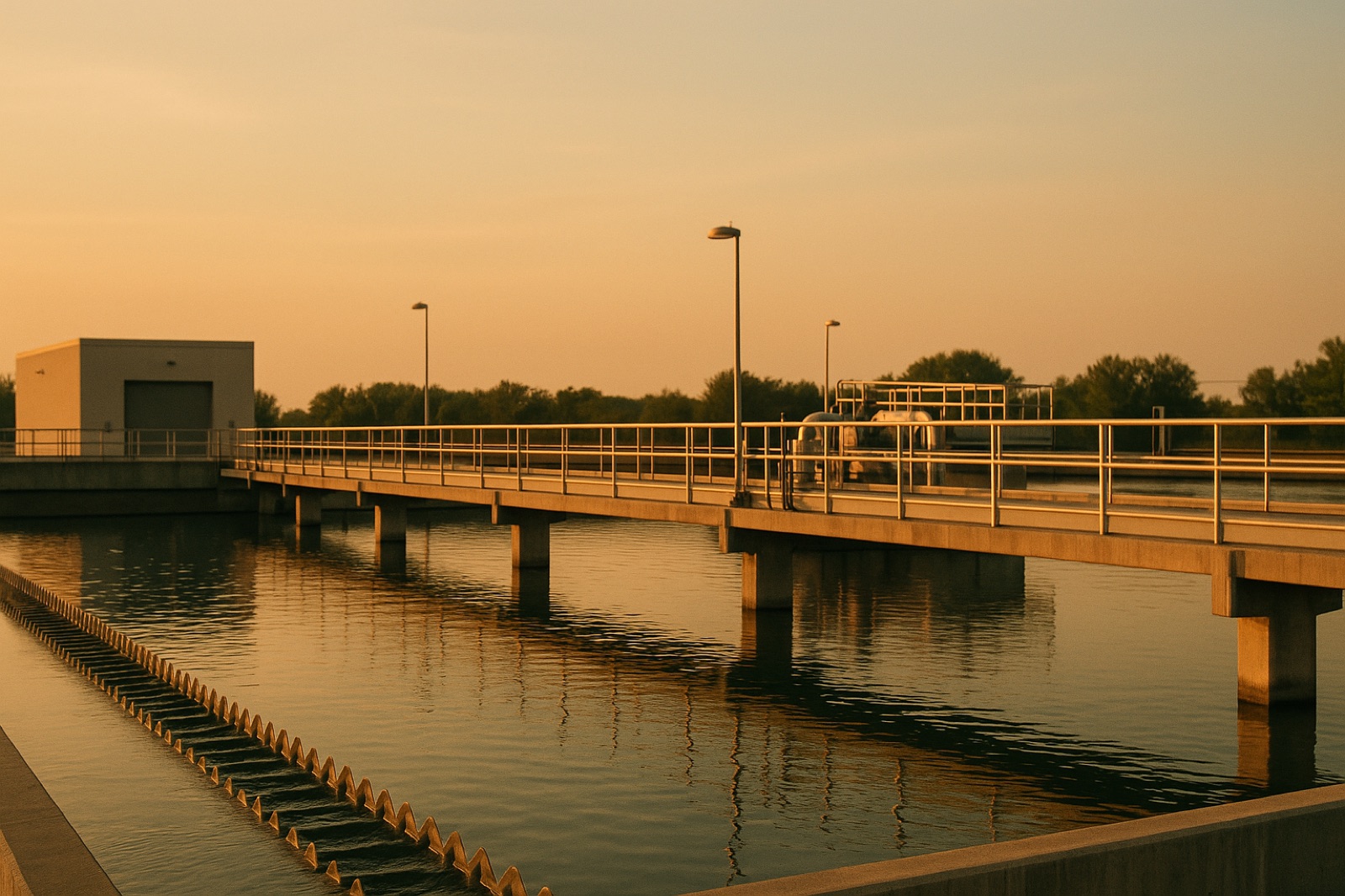
Water reuse can sound like a single technology. It is better understood as a set of decisions about where water comes from, how it is treated, where it goes next and what safeguards stand between those steps.
Those decisions are moving onto more public agendas. In a Sept. 25 article, Water Finance and Management staff reported that the WateReuse Association released a guidebook for developing state-specific water reuse regulations. The article says states are looking for practical ways to navigate a complicated regulatory landscape as reuse becomes more important nationwide.
For Midwest residents, the useful question is not simply whether reuse is good or bad. It is what kind of reuse a community is considering, and whether the proposal clearly connects its engineering, operating rules and public responsibilities.
Begin with the water source
A reuse project takes water that would otherwise be discharged or discarded, treats it for another purpose and puts it back to work. The source might be treated municipal wastewater, water from an industrial process, stormwater or water collected from a building. Those sources do not begin with the same contaminants, so they do not require identical treatment.
The destination matters just as much. Water used to irrigate a golf course presents a different exposure pathway than water sent to an industrial cooling system. Water intended to replenish a drinking water source requires another level of review. A proposal that uses the broad phrase “recycled water” without naming both its source and its intended use leaves out the basic information residents need.
Ask for a simple flow diagram. It should show where the water enters, each major treatment stage, any storage basin or tank, the distribution route and the final use or discharge point. That diagram often reveals questions that disappear inside a technical report.
Treatment must match the job
Reuse treatment is usually described as a train because several processes work in sequence. Physical steps can remove solids. Biological treatment can break down organic material. Filtration can capture smaller particles. Disinfection can control microorganisms. Some applications may require additional barriers designed for dissolved chemicals or salts.
The important point is that treatment should be tied to a defined water quality target. More equipment does not automatically mean a better project. Each process should address a stated concern, and operators should know what happens when that process falls outside its operating range.
Residents can ask which measurements are continuous, which depend on laboratory samples and how quickly results become available. They can also ask what condition triggers an alarm, diversion or shutdown. A monitoring plan is most useful when it explains not only what gets tested, but what the utility does with the result.
Do not overlook the second pipe system
Many non-drinking reuse projects need separate pumps, storage and distribution pipes. That parallel network creates practical responsibilities. Connections must be identified correctly. Valves and access points must be managed. Workers and property owners must understand which water serves which fixture or outdoor use.
A sound proposal should explain how the utility prevents unintended connections between recycled water and the drinking water system. It should also identify who inspects customer-side equipment and what happens when a property changes owners or uses. These are not minor administrative details. They are part of how the treatment plan works after construction crews leave.
Follow the costs beyond construction
A reuse project can reduce demand for another water source or reduce the amount discharged elsewhere. But those benefits do not erase the cost of operating pumps, replacing treatment components, collecting samples, maintaining separate pipes and training staff.
Ratepayers should look for costs divided into understandable categories: construction, annual operations, energy, monitoring, maintenance and long-term replacement. They should also ask who buys the recycled water and what happens financially if a major customer uses less than expected.
The same discipline applies to claimed benefits. A proposal should specify whether it is meant to conserve drinking water, support industry, manage wastewater flows, improve drought readiness or accomplish several goals. Each goal needs its own measure of success.
Regulation is the floor, not the whole plan
State rules can establish treatment standards, monitoring requirements and permitted uses. Local conditions still shape the project. A community must account for its source water, existing treatment plant, staffing, customers, pipes and receiving waters.
That is why a state-specific regulatory guidebook can be useful without settling every local question. Regulation provides a framework. A durable project also needs clear ownership, understandable records and a public explanation of how the pieces connect.
When a reuse proposal reaches a Midwest council, utility board or public meeting, residents do not need to master every treatment process. They can start with four questions: What water is being reused? What will it be used for? Which barriers make that use appropriate? Who responds when a barrier fails?
If the answers fit together, the community has the beginnings of a plan. If they do not, the word “reuse” is doing more work than the infrastructure.