Infrastructure
A California Weather Headline Is Not a Midwest Forecast. It Can Still Improve the Water Help Desk
Local water companies can use major weather coverage to organize timely homeowner education without turning distant risks into local predictions.
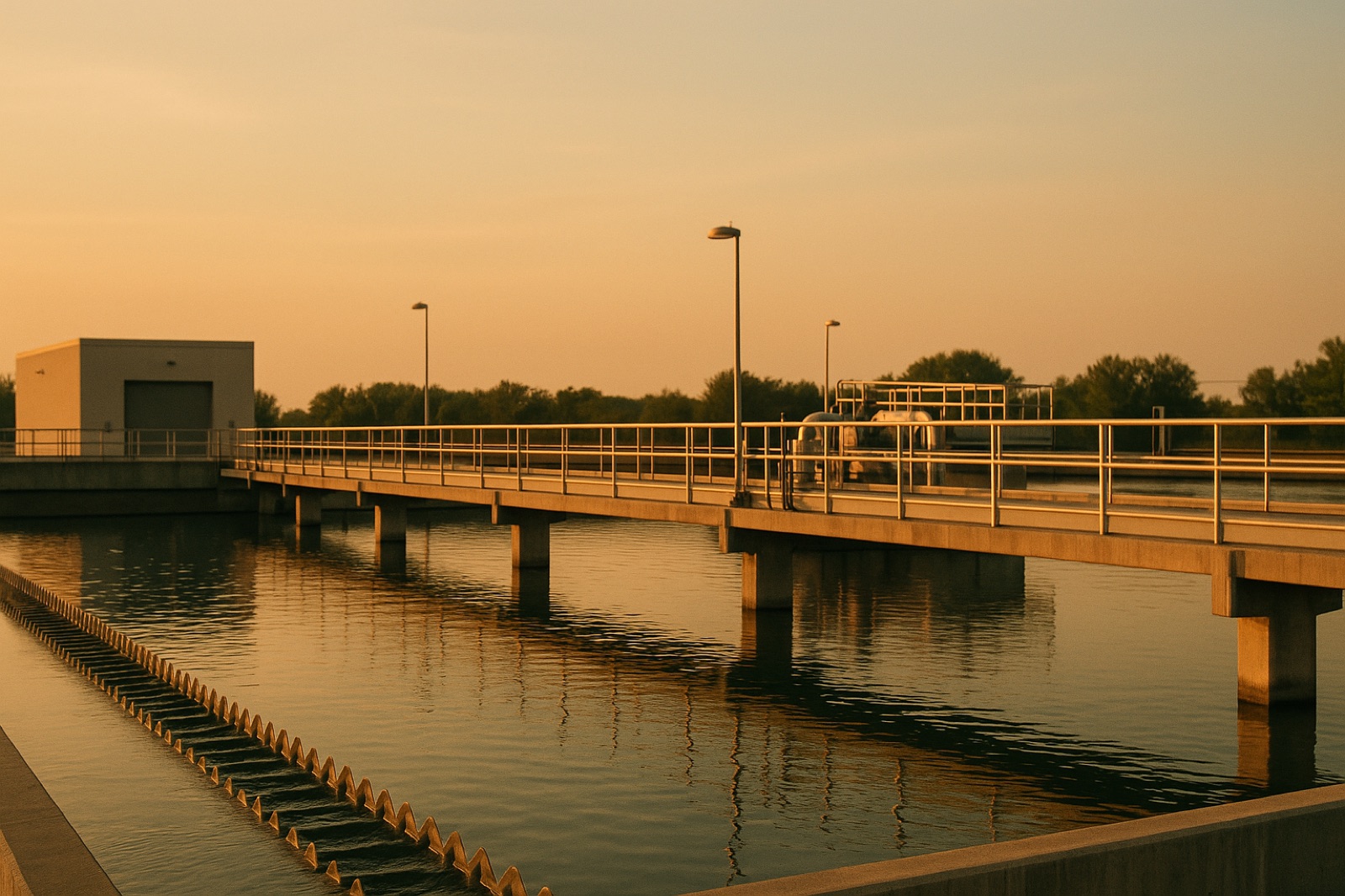
A national weather story can bring local water questions long before it brings local weather. For Midwest water companies, the useful response is not to borrow the alarm or predict what will happen here. It is to prepare a clear route from a homeowner's question to a locally grounded answer.
The Guardian reported on Oct. 7 that California is preparing for the possibility of overlapping hazards associated with El Niño. Gabrielle Canon's report on California's El Niño preparedness describes a state in the climate phenomenon's "crosshairs." That is a California story, not a Midwest forecast. Still, it offers a useful editorial prompt: When weather coverage changes what homeowners are asking, is the local water company ready to explain what actually applies at a particular address?
Start with a homeowner question map
A question map sorts curiosity before it becomes a sales conversation. Begin with four branches: water source, observed change, timing and responsibility.
Water source distinguishes a private well from a public supply. Observed change records what prompted the question, such as discoloration, odor, low pressure, standing water or a notice from a utility. Timing separates a sudden change from a recurring one. Responsibility identifies who can answer next, whether that is the utility, a well contractor, a laboratory, a plumber, a drainage professional or the homeowner's water treatment provider.
This map helps a company avoid treating every weather question as an equipment question. It also produces better leads. A homeowner who identifies the source, symptom, start date and responsible system is more prepared for a useful appointment than someone who merely clicked a storm-themed promotion.
Put education on a local calendar
A practical calendar can run for four weeks after a widely shared weather story. Week one explains the boundary between national coverage and local conditions. Week two shows homeowners how to identify their water source and locate utility notices or well records. Week three covers what observations to write down before calling. Week four explains which professional handles which part of the property.
Each lesson should lead to one modest action: check an official notice, photograph a change, record when it began or assemble questions for a service call. The calendar should use local infrastructure, service territory and seasonal conditions. It should not imply that California's forecast has become Missouri, Illinois or Great Lakes weather.
Capture the information needed to qualify the request
A lead form tied to this education should ask only for information the company will use. A workable checklist includes the service address or ZIP code, public water or private well, the observed problem, when it began, whether neighbors report the same issue, any utility notice received, previous testing and the homeowner's preferred follow-up method.
The form should also state what happens next. If staff will review the answers before offering an appointment, say so. If the company does not investigate wells, drainage or public mains, direct those questions to the appropriate local resource. Clear routing is part of good service, even when it does not produce a sale.
Use a follow-up workflow that closes the loop
Assign every submission to one person or queue. The first response should confirm receipt and restate the reported problem. The reviewer then checks service area, source type and whether the issue fits the company's work. Qualified requests receive the next appropriate step. Requests outside scope receive a concise explanation and referral category. After the interaction, record the outcome so repeated questions can shape the next education cycle.
For water businesses ready to build a local demand system, the relevant OwnersFirm water-marketing service or case-study page should replace the homepage link once that destination is confirmed.
A sample campaign brief
Audience: Homeowners in the company's actual service area who encounter national weather coverage and wonder whether their water system needs attention. Question: What should I check locally before requesting treatment or repair? Promise: A five-minute guide to identifying the water source, documenting the change and choosing the right next contact. Channels: One article, four short email lessons, a printable question map and a staff response template. Conversion: A request form that collects source, symptom, timing and location. Guardrail: No local forecast claims unless supported by an identified local authority.
The available audience numbers provide a baseline, not proof of demand: Midwest Water News recorded 3,248 page views, 1,804 visitors, 3,332 AI crawls and 1,891 search crawls. No assists, queries or trend series were supplied. Those figures can show that people and automated systems reached the site, but they cannot reveal which questions led to appointments. The campaign should therefore measure completed question maps, qualified requests, response time and outcomes. That is how a weather headline becomes useful local education without becoming a borrowed forecast.