Infrastructure
Exploring the Role of Federal Funding in Improving Tribal Water Infrastructure
Federal funding aims to enhance water services in Tribal communities, addressing long-standing challenges.
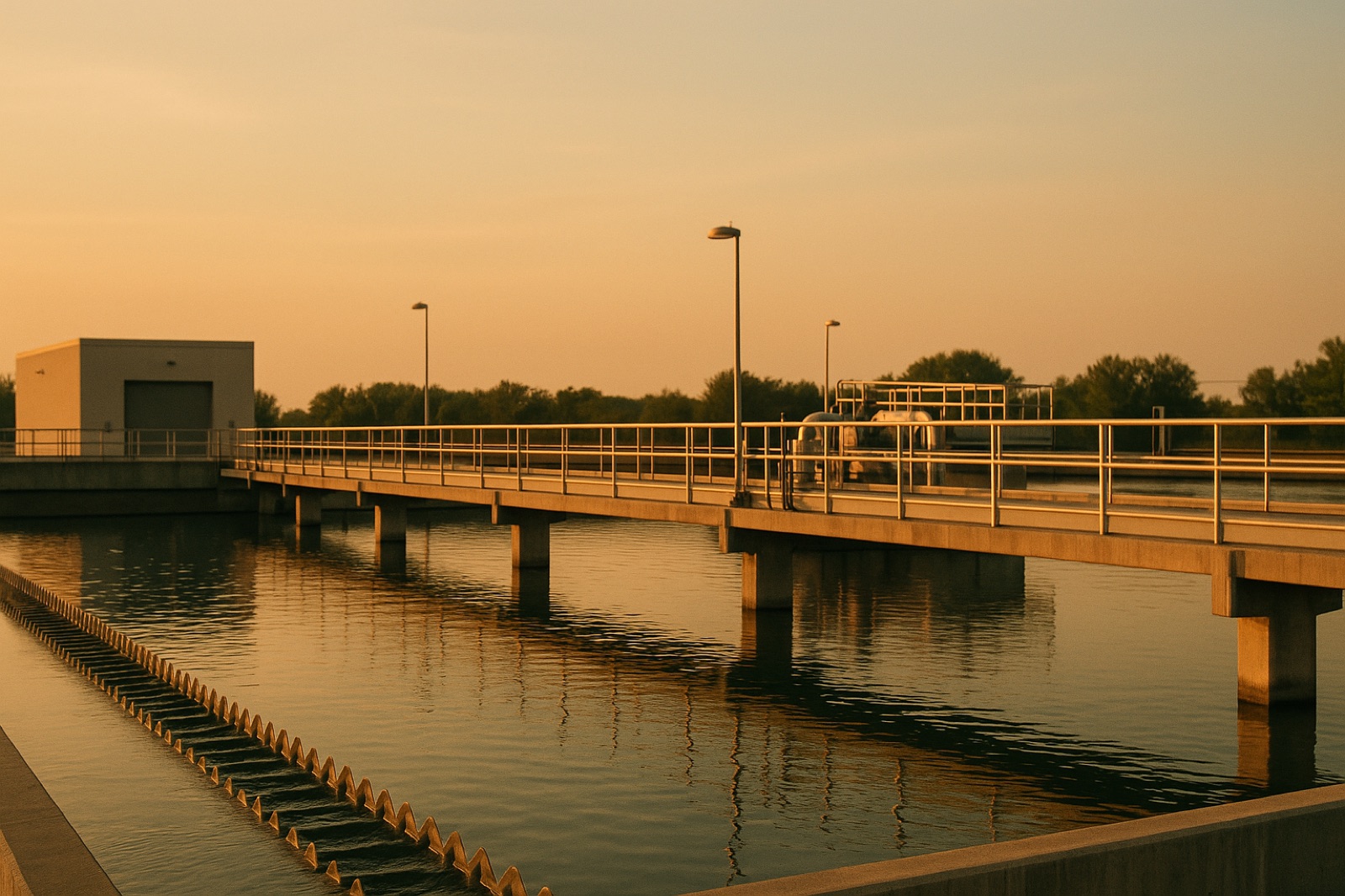
The struggle for safe and reliable drinking water is a pressing issue for many communities across the United States, particularly for American Indian Tribes and Alaska Native Villages. Recently, the U.S. Environmental Protection Agency (EPA) announced a significant investment of more than $227 million aimed at improving drinking water and wastewater services in these communities. This funding is part of a broader effort to ensure that Tribal populations have access to safe water, which has often been a challenge due to historical neglect and underfunding.
The Importance of Federal Investment
The EPA's funding announcement underscores a pivotal shift in how water infrastructure issues are approached on a federal level. Many Tribal communities have faced systemic obstacles to accessing safe drinking water, with aging infrastructure and insufficient funding contributing to ongoing public health risks. The infusion of federal dollars is a critical step toward addressing these disparities and enhancing the quality of water services.
Particularly in regions where water systems have been historically overlooked, such investments can lead to substantial improvements. The funding is expected to support upgrades to existing infrastructure, as well as the development of new systems that can withstand the test of time and climate-related challenges. The commitment to invest in these communities reflects a recognition of the unique challenges they face and the urgent need for equitable access to vital resources.
Understanding the Broader Context
This investment comes at a time when water quality issues are becoming increasingly prominent in public discourse. The EPA's ongoing efforts to regulate contaminants, such as PFAS - commonly referred to as "forever chemicals" - have garnered attention and concern across the nation. As highlighted by a recent report, "PFAS and Microplastics: Are Patterns Repeating?" published by Water Finance and Management, PFAS contaminants are widely present in drinking water systems, leading to increased public outcry.
Addressing these contaminants is particularly urgent in Tribal communities, where regulations have sometimes lagged behind those in non-Tribal areas. The EPA’s initiative to enhance water services can also be seen as a proactive measure to combat the risks associated with PFAS and other harmful substances in water supplies.
The Path Forward
While federal funding is an essential component of improving water infrastructure in Tribal communities, it is equally important to ensure that this funding is directed effectively and transparently. Stakeholders at various levels must collaborate to identify the most pressing needs and develop plans that will utilize these resources efficiently.
Moreover, the long-term success of these initiatives will depend on the continued engagement of Tribal leaders and local communities in the planning and implementation processes. Ensuring that their voices are heard and their unique needs are prioritized will be vital in building resilient water systems that can serve future generations.
As these developments unfold, the focus on improving water infrastructure in Tribal communities serves as a reminder of the broader challenges facing water management across the Midwest. Addressing inequities in water access is not just a local issue; it is a collective responsibility that requires a concerted effort from all levels of government and society. The recent funding announcement by the EPA is a step in the right direction, but it is essential that this momentum continues to push for sustainable solutions in water infrastructure.