Infrastructure
Water, Heat, and the Midwest: Preparing for the Future
As extreme heat becomes more common, understanding the impact on water systems is crucial for Midwest residents.
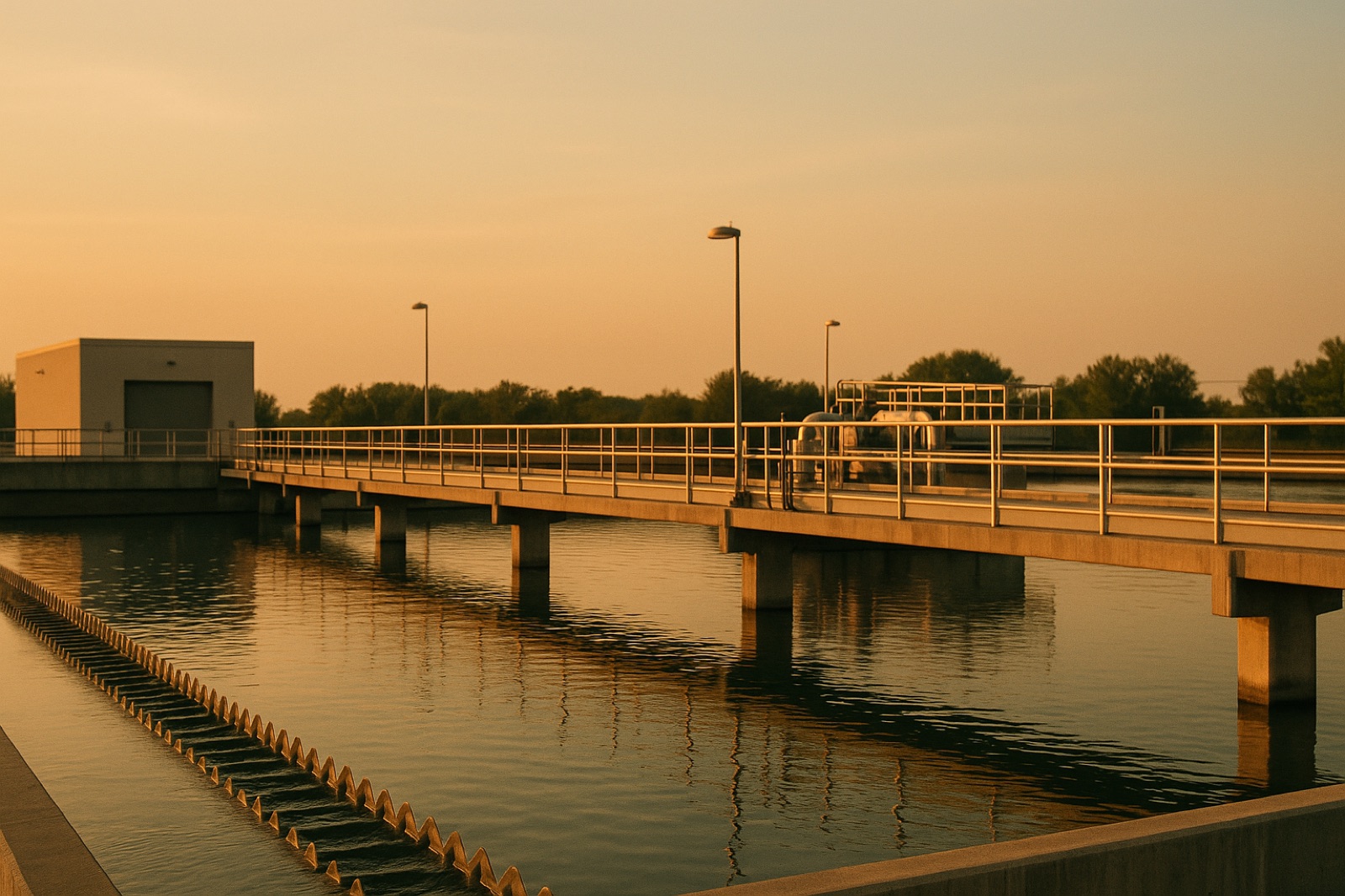
This summer, the Midwest is experiencing record-high temperatures, with many residents feeling the effects of extreme heat. As communities turn to air conditioning for relief, the demand for reliable water systems becomes even more critical.
Water and Energy: A Necessary Relationship
The relationship between water and energy is intricate. Water systems require energy to pump, treat, and deliver water to homes and businesses. Conversely, the generation of energy often requires substantial water resources for cooling. As temperatures rise and more people depend on air conditioning, the strain on local water systems intensifies.
For residents of the Midwest, especially those in rural areas, understanding how water systems adapt to increased demand in warmer months is vital. Water treatment facilities must be equipped to handle spikes in usage, particularly during heat waves when more people rely on hydration and cooling systems.
The Impact of Climate Change on Water Systems
Climate change is exacerbating weather extremes, causing longer droughts and heavier rainfall events. This unpredictability affects water supply and quality. For example, rainfall variability can lead to both flooding and water shortages, placing additional stress on infrastructure designed to manage a stable supply.
In light of these changes, communities must invest in their water infrastructure. Upgrading pipes, treatment facilities, and distribution systems will ensure that they can meet future demands, especially as climate-related challenges grow.
Community Preparedness and Involvement
Local governments and water authorities are encouraged to engage residents in water conservation efforts. Simple actions like fixing leaks, using water-efficient fixtures, and being mindful of outdoor water usage can collectively make a significant difference. Understanding the systems that provide clean water is crucial. For instance, regional treatment companies that test private wells play a vital role in maintaining water quality and ensuring safety.
As highlighted in a recent article from The Guardian, the next great climate divide could be between those with access to necessary resources and those without. In the Midwest, this divide may manifest in the accessibility and reliability of water systems during extreme temperatures.
Investing in Resiliency
With the pressures on water systems becoming more pronounced, investment in technology and infrastructure is essential. This includes adopting smart water management solutions that can predict demand fluctuations and automate responses. Furthermore, strengthening the resilience of water systems can help mitigate the impact of extreme weather events, ensuring that communities remain prepared.
As we navigate this changing landscape, it is crucial for residents to stay informed and engaged with their local water systems. Access to clean and reliable water is not just an individual concern but a community one. By understanding how these systems work and what is being done to improve them, residents can advocate for the resources necessary to sustain their communities in the face of climate challenges.
In conclusion, the interplay between rising temperatures and water supply is an issue that affects all Midwesterners. By prioritizing infrastructure improvements and community engagement, we can work towards a more resilient water future in an increasingly unpredictable climate.