Understanding the Interplay Between Heat Waves and Water System Resilience
Heat waves pose unique challenges for water systems in the Midwest, emphasizing the need for robust infrastructure and management strategies.
By Staff ·
As summer temperatures soar, the Midwest faces increasing heat waves that stress local water systems and highlight the importance of effective water management. With record-breaking temperatures becoming more common, understanding how heat impacts water infrastructure is critical for communities across the region.
The Pressure on Water Systems
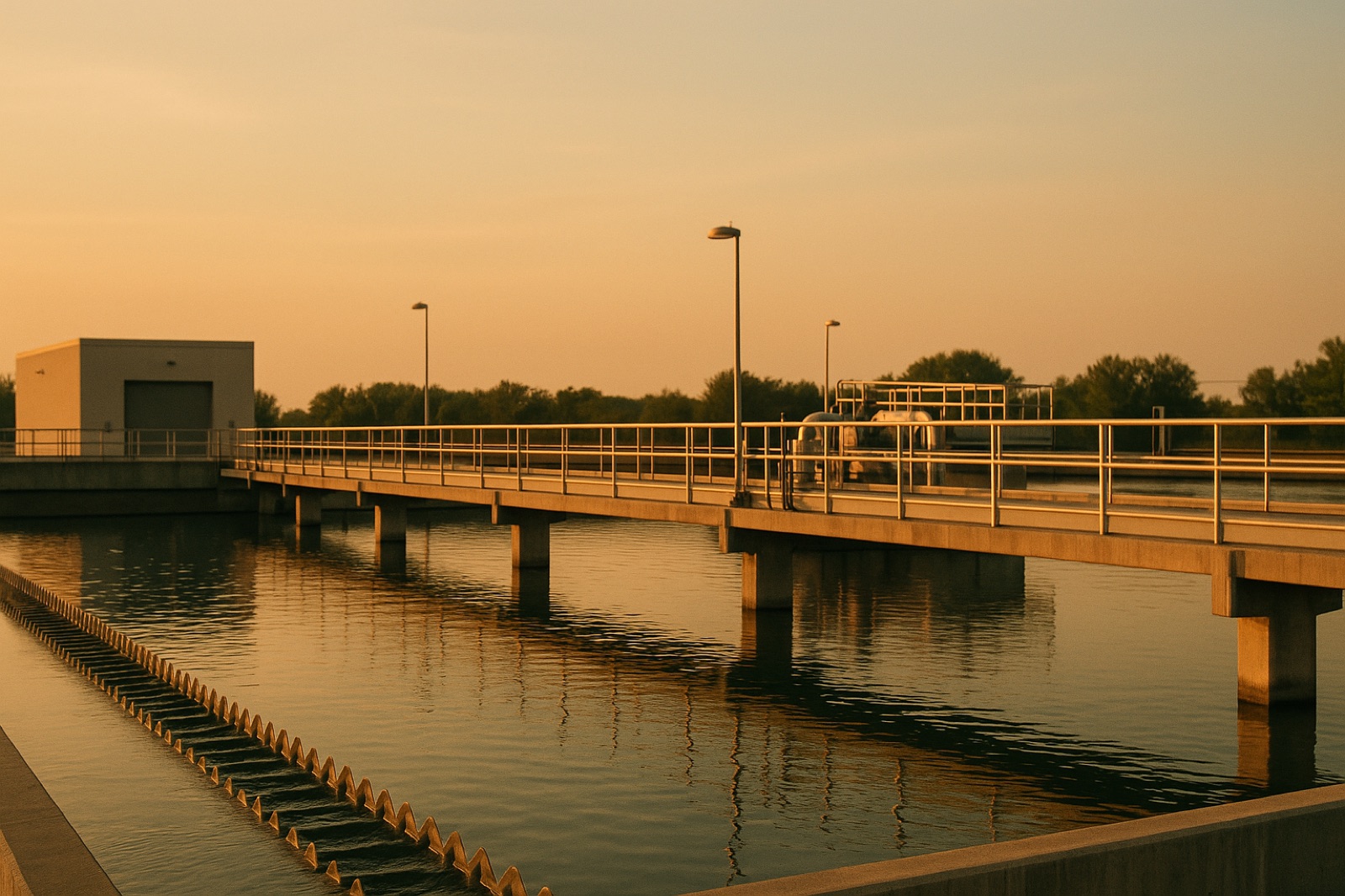
Heat waves increase water demand as residents turn to irrigation, fill swimming pools, and rely on air conditioning - activities that require significant water resources. For example, during extreme heat events, water treatment plants may experience surges in demand, leading to potential shortages or service disruptions. This demand can overwhelm systems that are already aging and underfunded, particularly in rural areas where infrastructure investment often lags behind urban centers.
When temperatures rise, not only does the need for water increase but the efficiency of water treatment processes can be compromised. Higher water temperatures can affect the biological treatment processes used in wastewater plants, potentially leading to increased levels of pollutants in treated water. Therefore, heat waves create a dual challenge: a surge in demand and a potential decline in treatment efficacy.
Real-World Implications
A recent article in The Guardian discusses how access to essential resources, like air conditioning, is increasingly divided between those who can afford it and those who cannot. This disparity is often mirrored in water access; communities with more resources can invest in infrastructure improvements and upgrades to meet rising demands. Conversely, less affluent communities may struggle to maintain their systems or respond to increased demand during heat waves.
In the context of the Midwest, many rural areas rely on well water, which can also be affected by prolonged heat. As groundwater levels drop due to increased evaporation and higher consumption, residents may find their wells running dry or producing lower-quality water. This situation emphasizes the vital role of regional treatment companies that test private wells to ensure water quality remains safe amid changing conditions.
Looking Forward
To address these challenges, local and regional policymakers must prioritize infrastructure upgrades and resilience planning. This includes not only maintaining existing systems but also investing in new technologies that can help manage water resources more effectively during extreme weather events. For example, innovative water recycling methods or improved stormwater management systems can help alleviate some of the pressures faced during heat waves.
Moreover, public awareness plays a crucial role in managing water resources during these hot months. Communities can benefit from educational campaigns that encourage water conservation practices and inform residents about the signs of system strain or contamination.
Ultimately, as climate change continues to influence weather patterns, the interplay between heat waves and water systems in the Midwest will become increasingly important. By understanding this relationship and taking proactive steps, communities can enhance their resilience and ensure that everyone has access to safe, reliable water, regardless of external pressures.
As we navigate these challenges, collaboration among stakeholders - ranging from local governments to residents - will be essential in creating a sustainable future for water resources in the Midwest.