Infrastructure
The Role of Clean Water Utilities in a Changing Climate
As climate impacts grow, the significance of clean water utilities in the Midwest becomes ever more crucial.
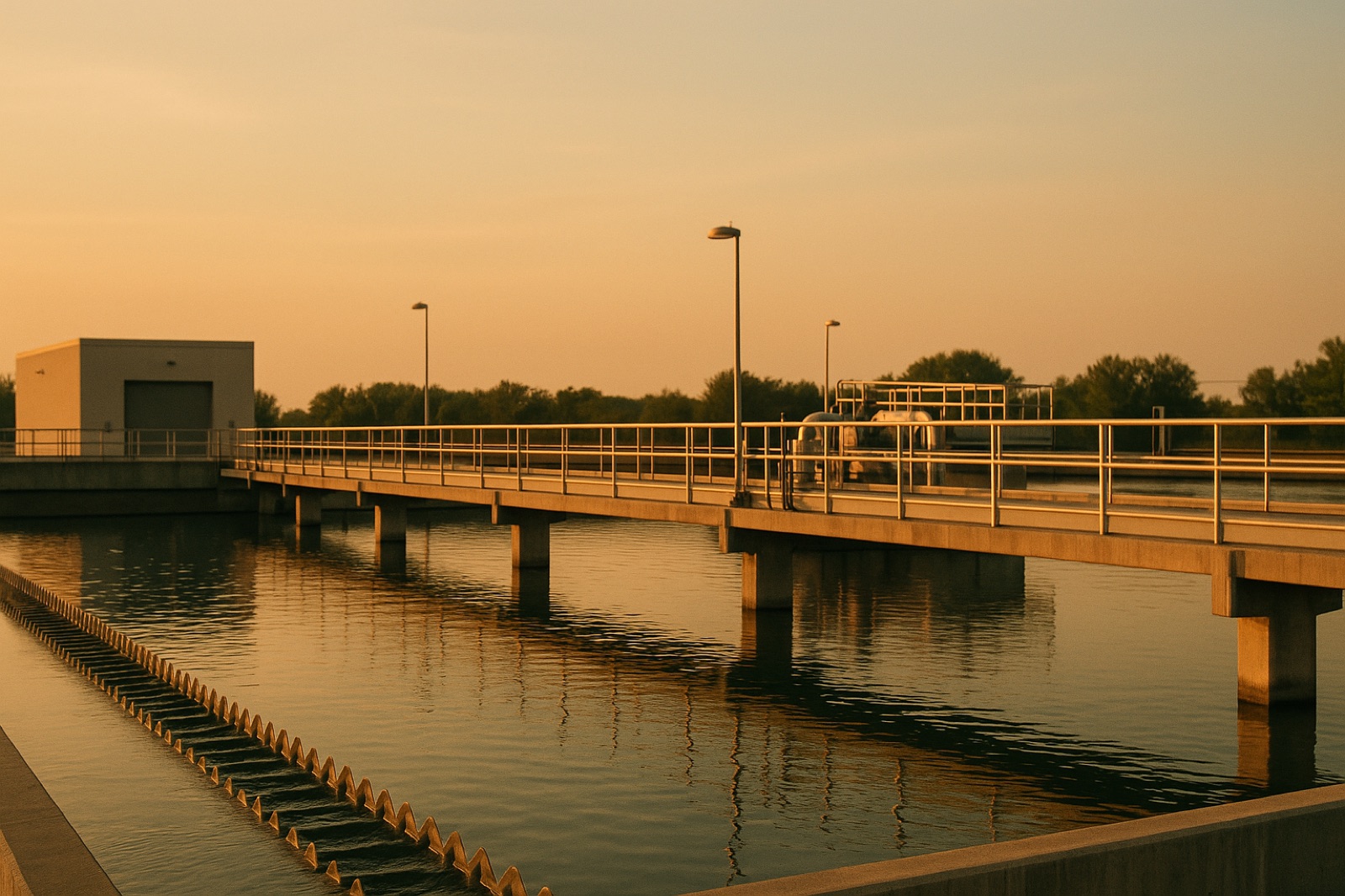
The Midwest is no stranger to the challenges posed by climate change. From increased rainfall and flooding to extreme heat and drought conditions, the region's water systems must adapt to a rapidly changing climate. Clean water utilities play a pivotal role in this adaptation process, not only by maintaining water quality but also by implementing innovative practices that safeguard community health and the environment.
What Are Clean Water Utilities?
Clean water utilities are municipal or regional facilities responsible for treating wastewater and stormwater, ensuring that these water sources meet regulatory standards before being discharged into the environment. They play an essential role in protecting public health by removing pollutants and contaminants from water before it reenters rivers, lakes, or even aquifers used for drinking water. With the increasing frequency of extreme weather events, the responsibilities of these utilities are expanding.
Recognition of Outstanding Utilities
Recently, the National Association of Clean Water Agencies (NACWA) honored several top-performing clean water utilities across the United States for their dedication to excellence in wastewater management. This recognition highlights the importance of these utilities in not only meeting regulatory requirements but also going beyond them to promote sustainability and resilience in their communities (Water Finance and Management).
Adapting to Climate Change
As climate change continues to impact the Midwest, clean water utilities are tasked with developing strategies that address the unique challenges presented by changing weather patterns. For example, increased rainfall can overwhelm existing infrastructure, leading to combined sewer overflows, which can contaminate local waterways. To mitigate this issue, many utilities are investing in green infrastructure solutions such as permeable pavements, green roofs, and rain gardens that help absorb and manage stormwater naturally.
In addition to managing stormwater, utilities are also focusing on enhancing their wastewater treatment processes to handle new pollutants that may emerge due to climate change. This includes potential contaminants linked to extreme weather events, such as runoff from flooded agricultural lands. By adopting advanced treatment technologies, utilities can ensure that they remain effective stewards of water quality, no matter the conditions.
Community Engagement and Education
Another critical aspect of the role of clean water utilities is community engagement. Utilities often collaborate with local governments, nonprofits, and residents to raise awareness about the importance of water conservation and pollution prevention. Educational programs that inform the public about the role of clean water utilities and the significance of maintaining healthy waterways are vital for fostering a culture of sustainability.
Looking Ahead
The future of clean water utilities in the Midwest will depend on their ability to adapt to ongoing climate challenges while continuing to provide essential services. As they strive to meet these demands, utilities are likely to play an even more significant role in shaping the region's water management strategies.
In conclusion, clean water utilities are not just infrastructure facilities; they are crucial partners in addressing the complexities of a changing climate. Their efforts to improve water quality, manage stormwater, and engage communities will be essential as the Midwest navigates the unpredictable waters ahead. As recognized by the NACWA, the commitment of these utilities to excellence and innovation will be key to ensuring that the region remains resilient in the face of climate change.