Infrastructure
Understanding the New Federal Funding for Water Systems in Tribal Communities
The recent $227 million federal funding aims to improve water access for American Indian Tribes and Alaska Native Villages.
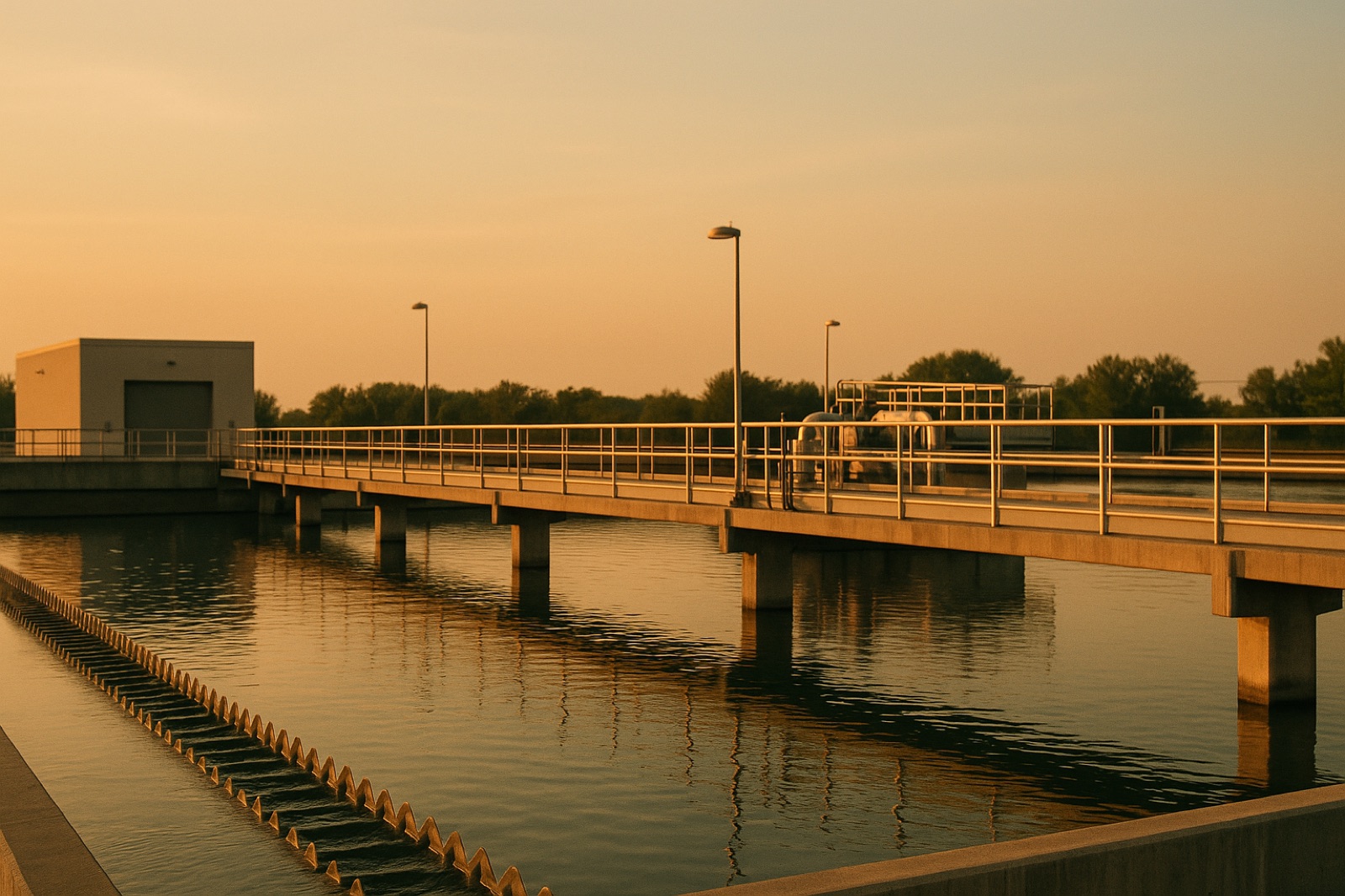
In June 2023, the U.S. Environmental Protection Agency (EPA) announced a significant initiative directing over $227 million to American Indian Tribes and Alaska Native Villages. This funding is aimed at upgrading drinking water and wastewater services in these communities, which frequently experience challenges related to access and quality of water.
The allocation of funds underscores an ongoing commitment by the federal government to address long-standing inequities in water infrastructure that particularly affect tribal areas. Many of these communities have faced historical neglect regarding their basic water needs, leading to inadequate systems that can impact public health and safety.
Access to safe and reliable drinking water is not just a basic necessity; it is also a fundamental human right. The difficulties many tribes face in securing clean water sources are compounded by geographic isolation and limited financial resources for infrastructure development. The recent federal funding aims to alleviate some of these challenges.
The Importance of the Funding
The announcement of this funding comes at a crucial time, as many tribal nations and Alaska Native Villages continue to grapple with outdated water systems. The EPA's funding can help improve these systems through a variety of means, including constructing new infrastructure, upgrading existing pipelines, and providing necessary treatment facilities.
According to the EPA, these funds will help ensure that tribally-managed water systems can meet both current needs and future demands. This is especially vital as climate change progresses, leading to increased variability in water availability and quality in many regions.
Current Context in the Midwest
While the focus of this funding is on tribal areas, the implications are felt across the Midwest, where many communities are also seeking to upgrade their water systems. For instance, discussions surrounding water access have broad relevance as urban and rural areas alike confront challenges relating to aging infrastructure and environmental contaminants.
In recent years, there has been a growing awareness of contaminants like PFAS, which have raised alarms about public health risks in drinking water supplies. However, addressing these issues effectively requires robust water systems that can monitor and manage such contaminants.
In this context, federal support like that provided by the EPA can set a precedent for future investments in water infrastructure throughout the Midwest. As funding flows to tribal communities, it may encourage similar initiatives in neighboring regions that also face pressing water management challenges.
What Comes Next?
The release of these funds is only the beginning. Tribal governments and communities will need to engage in planning and implementation processes to ensure that the funding is used effectively. This involves not just applying for the money, but also managing projects and ensuring oversight to maintain accountability.
The EPA has emphasized its commitment to assisting these communities as they navigate what can be a complex process of upgrading their water systems. This includes providing technical assistance to help design and implement projects that will ultimately lead to more equitable water access.
Moving forward, there is an opportunity for collaboration between tribal nations and local governments in the Midwest to develop comprehensive strategies for water management. The success of these efforts can serve as a model for how diverse communities can work together to address shared challenges.
For more information on the EPA's funding announcement, you can read the full article on Water Finance and Management.