Infrastructure
Before the Fall Workshop, Map the Water Question Homeowners Are Actually Asking
A practical planning guide can help Midwest water companies turn local education into qualified inquiries without turning every lesson into a sales pitch.
A useful water workshop does not begin with a product catalog. It begins with a question: What is the homeowner trying to understand?
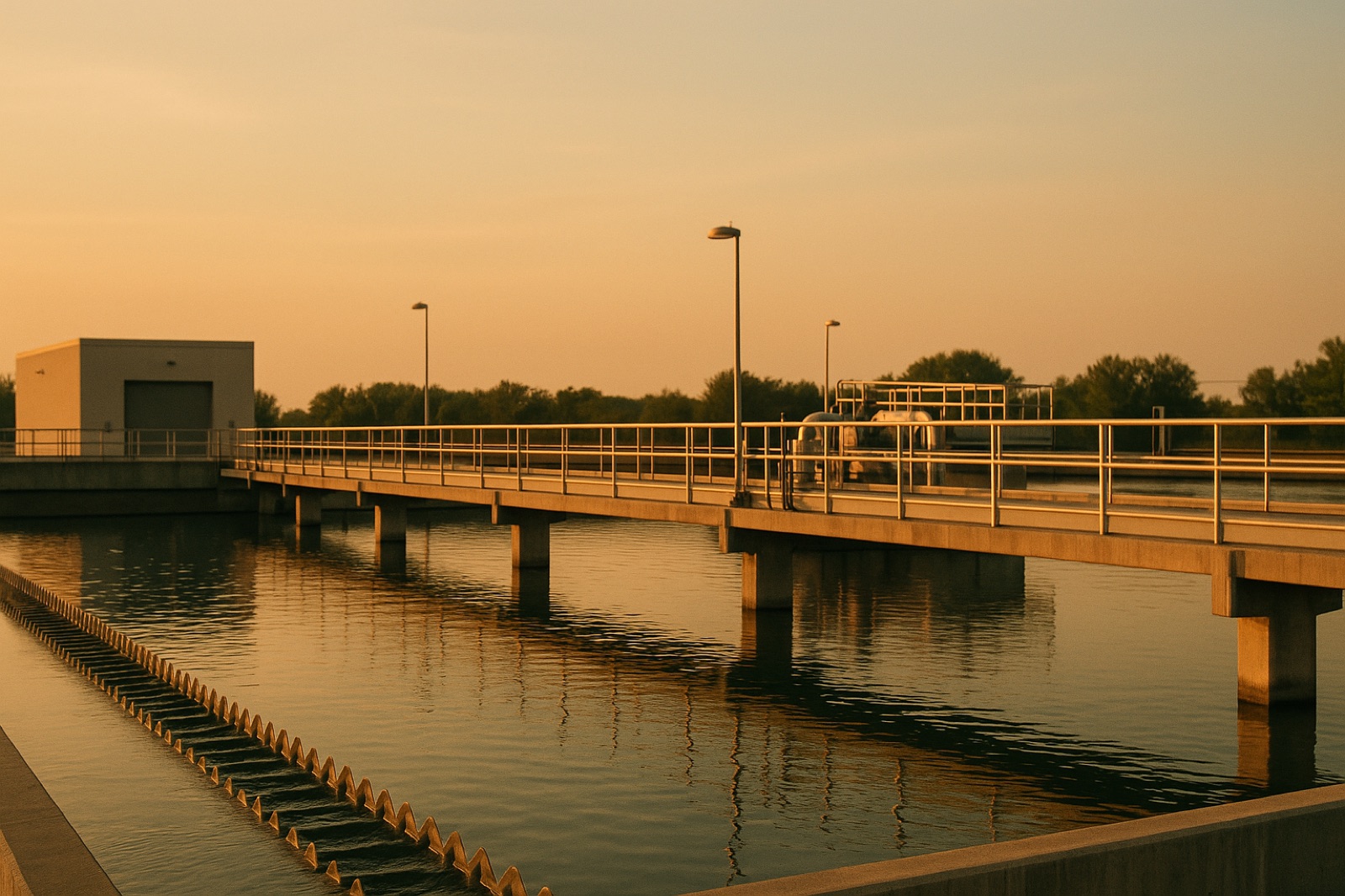
That lesson is visible at a much larger scale in a current Water Finance and Management article about matching valves to wastewater processes. The article explains that a treatment plant contains four distinct process environments along one hydraulic path. The material moving through that path changes substantially, from raw influent carrying grit, rags and unpredictable debris to later stages with different operating demands.
A wastewater plant is not a household water system. Still, the organizing principle travels well: The right response depends on where the water is, what it contains and what the system needs to do next. Local water companies can use that principle to organize homeowner education around questions instead of equipment.
Build a homeowner question map
Start with five doors into the conversation: appearance, taste or odor, staining or scale, pressure or flow, and concern prompted by a test result or public notice. Each door should lead to a short educational page, workshop segment or handout.
The map should not jump directly from symptom to treatment. Put an information step in between. Ask whether the home uses a private well or public supply, whether the concern affects hot water, cold water or both, whether it occurs at one fixture or throughout the house, and whether the homeowner has laboratory results or only an observation.
Those questions do two jobs. They help a resident describe the problem more precisely, and they help a company recognize whether an inquiry fits its services. That is how homeowner education can produce qualified leads without making unsupported promises.
Put education on a local calendar
A simple fall calendar could assign one question cluster to each week. Week one might cover how to document taste, odor and discoloration. Week two could explain the difference between a private-well concern and a public-system notice. Week three might show readers how to gather equipment labels, service records and test reports. Week four could explain what information belongs in a request for an evaluation.
Each lesson should have one next step, such as downloading a worksheet, registering for a question session or requesting a review of existing records. Repeating one clear action is more useful than placing several unrelated offers beneath the same article.
Use a lead-capture checklist
A short form can ask for the information needed to route the inquiry:
• ZIP code or service area
• Public supply or private well
• Main concern in the homeowner’s own words
• One fixture or the whole house
• Hot water, cold water or both
• Date and source of any available test
• Existing treatment equipment, if known
• Preferred way and time to receive a response
Avoid asking the form to diagnose the water. Its purpose is to establish context and decide what kind of follow-up is appropriate.
Follow up in the same order
The first response should confirm what was received and identify anything missing. The second should place the question in the correct category. The third should offer the appropriate educational resource or scheduling option. If the company does not handle that category, say so clearly rather than forcing the inquiry into a sales path.
Track the original question, the resource sent, the next action and the outcome. That record can reveal which educational topics generate complete, serviceable inquiries and which pages merely attract broad curiosity.
Write a one-page campaign brief
A sample brief might read: Audience: homeowners in the company’s confirmed service area who report staining or scale. Question: Is the problem isolated to one fixture or visible throughout the home? Educational asset: a two-minute checklist for documenting location, timing and existing equipment. Conversion action: submit the checklist for review. Follow-up: acknowledge within the stated response window, request missing records, then offer the fitting next step. Success measure: completed inquiries that include enough information for routing, not raw pageviews alone.
The available Midwest Water News numbers provide a baseline, but not a performance conclusion: 3,248 pageviews, 1,804 visitors, 3,332 AI crawls and 1,891 search crawls. No assists, queries or trend series were supplied. Those counts show activity, but they do not reveal which homeowner questions produced appointments or qualified opportunities.
The next measurement layer should connect each educational page with its question category, form completion and follow-up outcome. A company ready to build a local demand system should confirm the relevant water-marketing service or case-study page before replacing that general destination.
The practical goal is modest: help a homeowner reach the right question, then preserve enough context for a useful response. As the wastewater example suggests, water problems become easier to discuss when the process stage and the material moving through it are identified first.