Infrastructure
The Evolving Landscape of Water Meter Technology in the Midwest
Understanding the growing role of advanced water metering systems in local utilities.
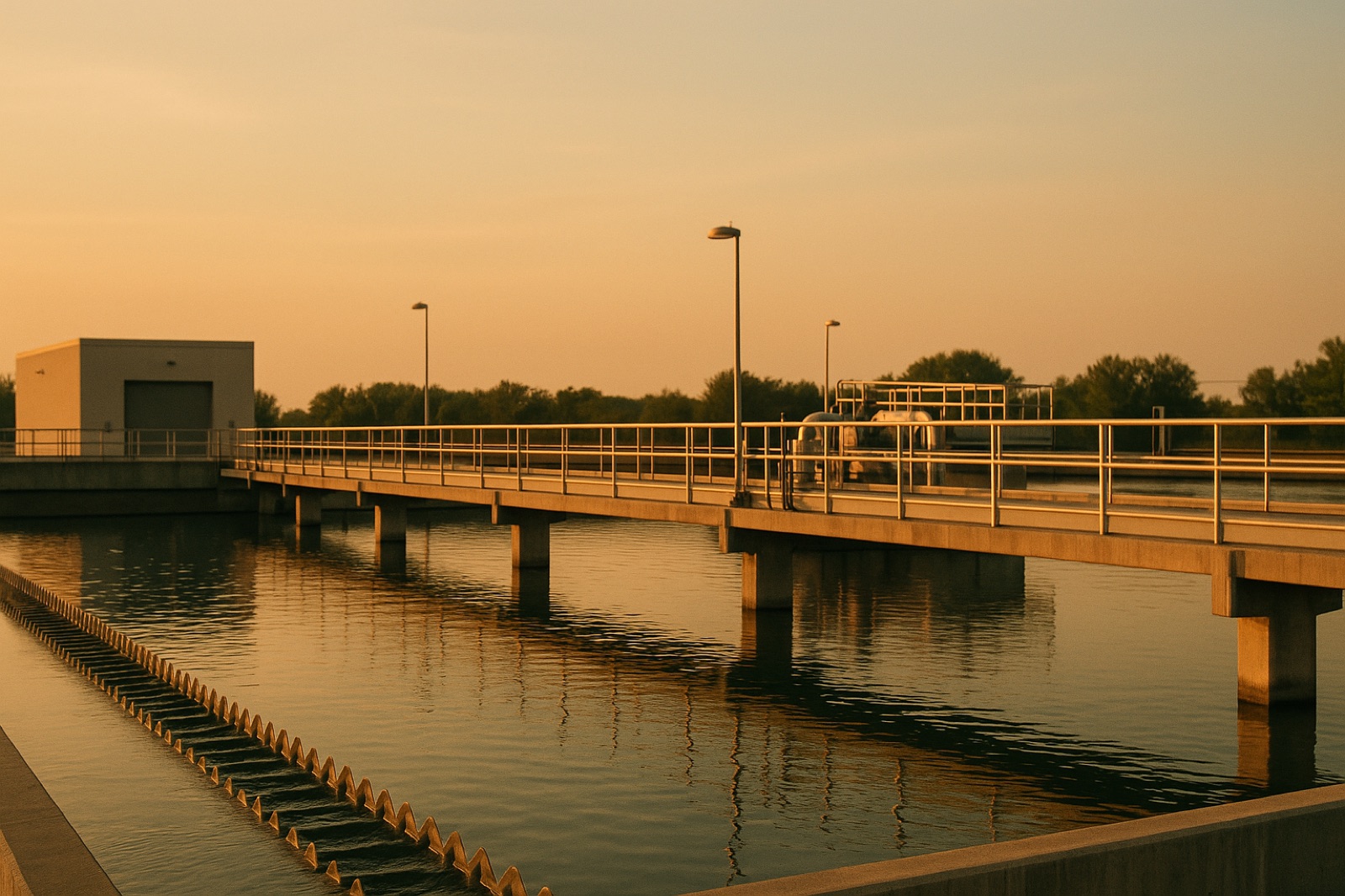
As water systems in the Midwest face increasing challenges related to aging infrastructure, population changes, and environmental concerns, the technology used to track and manage water use is evolving. One significant development is the adoption of advanced water metering systems, which promise to improve efficiency and reliability for utilities and consumers alike.
Water meters are essential tools for any municipal water system. They help utilities measure the amount of water consumed by households and businesses, thus providing the data needed to bill customers accurately. However, traditional mechanical water meters have limitations, particularly when it comes to reporting real-time data and providing detailed insights into water usage patterns.
Emerging technologies, such as smart meters, are designed to address these shortcomings. For instance, the iPERL water meters from Xylem’s Sensus range have been deployed in communities worldwide, totaling over 20 million units. These meters offer more than just basic consumption readings. They provide utilities with lasting performance and dependable system insight, helping to ensure that every meter continues delivering value for decades to come. This approach allows utilities to manage their resources more effectively and respond proactively to issues such as leaks or unusual consumption patterns.
Why Smart Meters Matter
The transition to smart water meters is crucial for various reasons. First, these devices can transmit data wirelessly, allowing for real-time monitoring of water usage. This immediacy helps utilities detect leaks or inefficiencies more quickly, reducing water loss. In an age of increasing awareness about water conservation, such capabilities are vital.
Moreover, smart meters can enhance customer engagement. By providing users with detailed information about their water consumption, households can modify their habits to save water and lower their bills. This educational aspect of smart metering can play a significant role in fostering a culture of conservation.
Challenges Ahead
Despite the potential benefits, the widespread implementation of smart metering systems is not without challenges. One significant barrier is the financial investment required for utilities to upgrade their metering infrastructure. Smaller communities may struggle to allocate funds for such investments, particularly if they are already grappling with other infrastructure needs.
Additionally, there are concerns about data privacy. As utilities collect more detailed information about individual water usage, ensuring the security of this data becomes paramount. Utilities must be transparent about how they store and use this information to maintain public trust.
The Future of Water Management
As the Midwest continues to adapt to evolving environmental and fiscal pressures, the integration of advanced metering technologies will likely play a crucial role in modernizing water systems. Initiatives like the iPERL water meters illustrate how innovation can create more sustainable practices within local utilities.
The potential to enhance operational efficiency and foster greater consumer awareness about water usage through smart technology cannot be overstated. As highlighted in a recent report, “Utilities need lasting performance, dependable system insight and the confidence that every meter will continue delivering value for decades” (Water Finance and Management). This sentiment reflects a broader trend in the water utility sector and the growing understanding that efficient water management is essential for future sustainability.
In conclusion, as communities across the Midwest consider investments in their water infrastructure, focusing on advanced metering technologies may offer a path toward more sustainable and effective water management solutions. By leveraging these technologies, utilities can not only improve their performance but also engage and educate their consumers about the importance of water conservation.