Infrastructure
The Challenges of Aging Water Infrastructure in the Midwest
Midwest communities face significant hurdles in maintaining and upgrading their water systems.
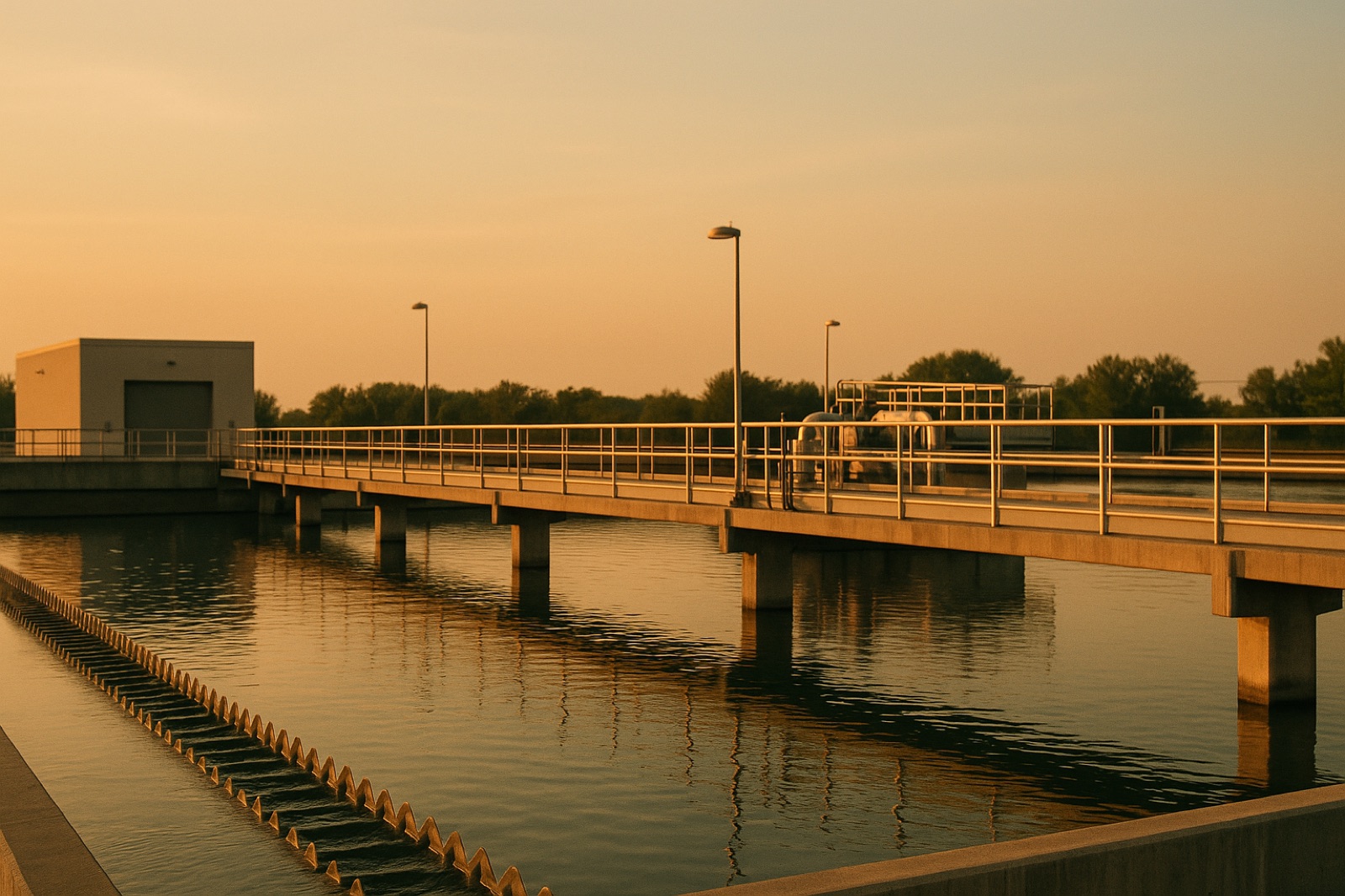
Across the Midwest, communities are grappling with the pressing challenge of aging water infrastructure. As many towns and cities rely on systems that have been in place for decades, the need for upgrades and maintenance is becoming increasingly clear. A combination of financial constraints, regulatory pressures, and changing environmental conditions complicates the situation.
Understanding Aging Infrastructure
Water infrastructure encompasses the pipes, treatment plants, and delivery systems that ensure safe water reaches residents. Many of these systems were constructed in the early to mid-20th century, often with materials that have since been identified as inadequate for current safety standards. For example, lead pipes, which were commonly used, pose significant health risks and require replacement.
The American Society of Civil Engineers (ASCE) has consistently rated the nation's water infrastructure as needing significant attention, highlighting the need for billions of dollars in investment. According to ASCE, replacing just the lead service lines in the United States could cost as much as $60 billion.
Financial Constraints
Many Midwest communities struggle with tight budgets and limited access to funding. Smaller towns often lack the resources to undertake extensive infrastructure projects, which can lead to deferred maintenance and, ultimately, more costly repairs down the line. Larger cities, while better positioned financially, also face challenges in prioritizing water system upgrades amidst competing demands for public services.
Federal and state assistance programs do exist, but they are often over-subscribed or require matching funds that smaller municipalities find difficult to secure. Moreover, as The Guardian notes, climate change creates additional pressures. Increasingly extreme weather events, such as heavy rains and droughts, can exacerbate existing vulnerabilities in water systems.
Environmental Considerations
As the climate continues to change, Midwest communities are seeing shifts in water availability and quality. For instance, heavier rainfall can overwhelm aging drainage systems, leading to overflows and contamination of local water supplies. Conversely, prolonged droughts can strain already limited water resources, pushing local governments to look for innovative solutions to ensure adequate supply.
The need for sustainable practices is becoming increasingly urgent. Many experts advocate for green infrastructure solutions, which can include permeable pavements, green roofs, and restored wetlands that help manage stormwater more effectively. These solutions not only ease the burden on existing infrastructure but also create additional environmental benefits.
Community Engagement and Planning
Effective management of water infrastructure often requires community engagement. Residents need to be informed about the state of their water systems, potential risks, and proposed upgrades. This transparency fosters a sense of ownership and responsibility for local resources. Furthermore, local governments can benefit from public input in planning and prioritizing projects, ensuring that they meet the needs of their constituents.
In recent years, some Midwest communities have made strides in engaging residents through public meetings and informational campaigns. Such initiatives can help garner support for necessary funding measures and encourage civic responsibility.
Conclusion
Addressing the challenges of aging water infrastructure in the Midwest is no small task. It requires a comprehensive approach that combines financial investment, innovative practices, and active community involvement. As we navigate the complexities of aging systems, it is clear that proactive measures must be taken to ensure the reliability and safety of our water supplies for future generations.