Infrastructure
Understanding the Role of Water Infrastructure in Extreme Weather Preparedness
An analysis of how Midwest water systems can adapt to increasing climate challenges.
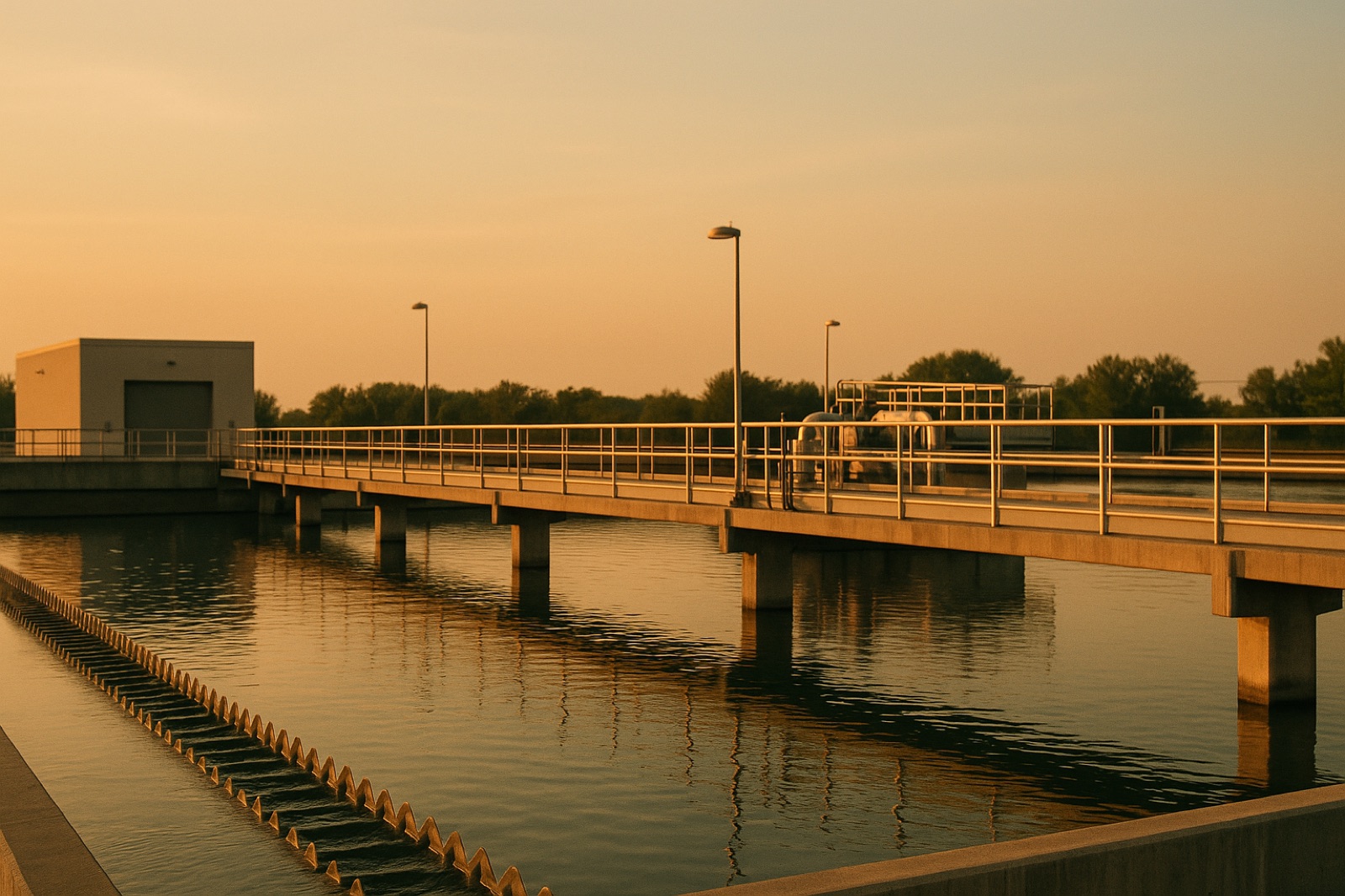
The Midwest is no stranger to extreme weather, yet the region's water infrastructure faces increasing challenges as climate change brings more frequent and intense storms, droughts, and heat waves. While air conditioning has become a vital resource for surviving extreme heat, as noted by Mark Wolfe in The Guardian, access to reliable water supplies during these events is equally critical for public health and safety.
The Current State of Water Infrastructure
Many cities across the Midwest are grappling with aging water systems that struggle to cope with current demands, let alone the anticipated impacts of climate change. Infrastructure built decades ago often lacks the resilience needed to withstand unprecedented weather events. The American Society of Civil Engineers estimates that many water systems in the Midwest require significant investment to improve their reliability and efficiency.
For example, the Great Lakes region, a crucial freshwater resource for millions, has experienced fluctuating water levels and increasing storm intensity, threatening the integrity of water distribution systems. Local governments are now faced with the difficult task of updating these systems while managing budget constraints and competing priorities.
Adapting to Extreme Weather Events
To enhance resilience, water systems in the Midwest are increasingly incorporating green infrastructure solutions, such as rain gardens, permeable pavements, and green roofs. These systems can help manage stormwater runoff, reduce flooding, and improve water quality. Cities like Milwaukee have implemented such practices to mitigate the effects of heavy rainfall, which can overwhelm traditional sewer systems.
Moreover, investing in technology for better monitoring and forecasting can enable more proactive management of water resources. As illustrated by recent discussions on climate readiness, incorporating advanced data analytics allows utilities to anticipate and respond to changing conditions more effectively.
The Economic and Community Implications
From an economic perspective, maintaining and upgrading water infrastructure is essential not only for public health but also for supporting local economies. A reliable water supply is critical for agriculture, industry, and tourism - key components of the Midwest economy. If water systems fail during extreme weather events, the repercussions can be long-lasting, affecting everything from crop yields to local business operations.
As communities work to adapt, it is vital that they engage in transparent discussions about the costs associated with these improvements. Addressing these challenges requires collaboration among local governments, utilities, and stakeholders to ensure equitable access to resources and information.
Looking Ahead
As climate-related challenges continue to grow, the need for robust water infrastructure in the Midwest cannot be overstated. Investment in innovative technologies, green infrastructure, and community engagement will be critical for building systems that can withstand the pressures of a changing climate. Failing to address these needs may leave many communities vulnerable to the impacts of extreme weather, ultimately affecting their ability to thrive.
In conclusion, understanding the complexities of water infrastructure in relation to extreme weather is essential for the Midwest’s future. As noted in national discussions, "the next great climate divide will be between countries that have the resources to adapt and those that don’t," emphasizing the importance of preparedness in local contexts.