Infrastructure
The Role of Smart Water Meters in Midwest Utilities
Understanding how advanced metering technology can enhance water management in the Midwest.
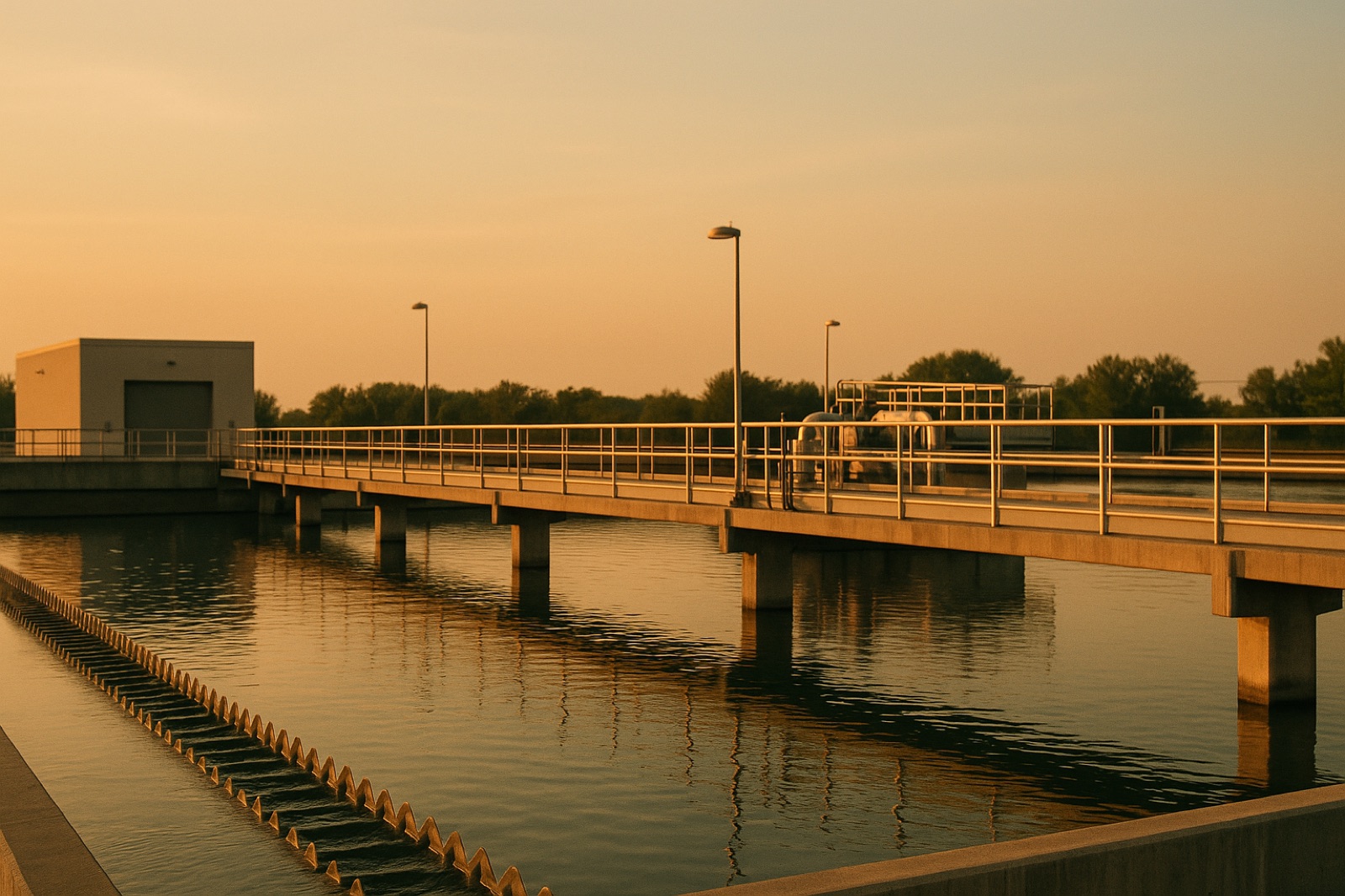
As communities across the Midwest grapple with aging water infrastructure, the implementation of smart water meters is emerging as a transformative solution for utilities and consumers alike. These advanced devices not only improve the efficiency of water distribution but also help utilities manage resources more effectively.
What Are Smart Water Meters?
Smart water meters are devices that record water usage in real-time, providing immediate feedback to both water utilities and consumers. Unlike traditional meters, which require manual readings, smart meters transmit data automatically, often through wireless technology. This allows for more accurate billing, reduced water loss, and enhanced monitoring of water systems.
The Benefits for Utilities
For water utilities in the Midwest, adopting smart meter technology can lead to significant operational improvements. According to a recent article from Water Finance and Management, over 20 million iPERL® water meters have been deployed around the world, demonstrating their reliability and efficiency. These meters help utilities identify leaks quickly, reducing water waste, and allowing for timely repairs. Furthermore, smart meters can provide utilities with valuable data analytics, helping them understand consumption patterns and optimize resource allocation.
Impacts on Consumers
Consumers also stand to gain from the switch to smart meters. With real-time data on their water usage, households can better manage their consumption and potentially lower their bills. Many smart meters come equipped with online portals, enabling users to track their water usage trends and receive alerts for unusual spikes in consumption, which may indicate leaks or other issues.
Challenges to Implementation
Despite the clear advantages, there are challenges associated with widespread implementation of smart water meters in the Midwest. Initial installation costs can be high, and some communities may lack the necessary resources or technical expertise to manage the transition effectively. Additionally, concerns about data privacy and cybersecurity have been raised, as these meters collect and transmit sensitive information.
Looking Ahead
As climate change and population growth continue to pressure water resources, the adoption of smart water meter technology may become increasingly important. Utilities that invest in this infrastructure can not only improve their operational efficiency but also enhance their service reliability for customers. The integration of advanced technologies in water management represents a pivotal shift towards more sustainable practices in the Midwest.
In a region where water systems are often under strain, the move towards smart metering could be a critical step forward. Such innovations can play a vital role in ensuring that water remains a dependable resource for future generations, fostering resilience in the face of changing environmental conditions.