Infrastructure
Understanding the Value of Clean Water Utilities in the Midwest
Clean water utilities play a crucial role in safeguarding public health and the environment, representing a vital investment for Midwestern communities.
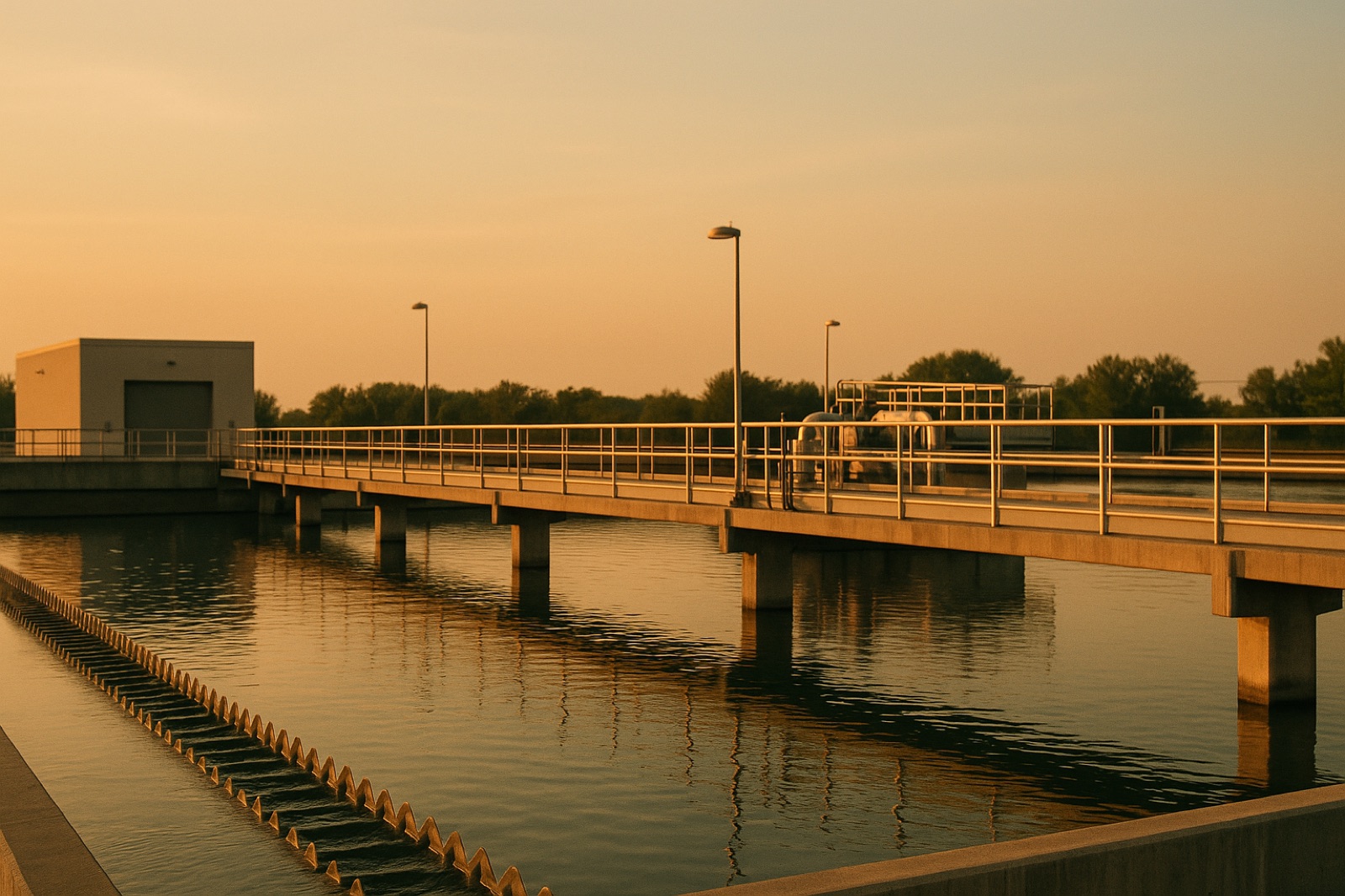
In the Midwest, clean water utilities are essential for maintaining safe and reliable water systems. These agencies manage the treatment and distribution of water while also ensuring that wastewater is processed effectively. With growing attention to environmental issues, understanding the importance of these utilities becomes increasingly vital for communities across the region.
The Role of Clean Water Utilities
Clean water utilities are tasked with managing the full cycle of water - from its source to its return to the environment. This includes activities such as treatment, testing, and infrastructure maintenance. These utilities are often publicly owned and operated, meaning they are accountable to the communities they serve. The quality of water provided by these utilities directly impacts public health, local ecosystems, and even economic development.
According to a recent article from Water Finance and Management, the National Association of Clean Water Agencies (NACWA) recently recognized top-performing clean water utilities in the United States, highlighting the significance of effective management practices. This recognition serves as a reminder that investment in these utilities can lead to improved water quality and public health outcomes.
Challenges Facing Clean Water Utilities
Despite their importance, clean water utilities face significant challenges, including aging infrastructure, funding shortfalls, and regulatory pressures. Many Midwest cities are grappling with water systems that have not been adequately updated to meet contemporary standards. This can lead to issues such as leaks, contamination, and inefficiencies that ultimately affect service delivery.
In addition, climate change poses new challenges for water management. Increased rainfall and shifting weather patterns can overwhelm existing systems, leading to potential overflows and untreated discharges into local waterways. These events highlight the need for modernizing infrastructure and better integrating climate resilience into planning processes.
Investing in Clean Water Infrastructure
Investment in clean water utilities is not just about compliance; it is an essential public service. When communities prioritize upgrading their water systems, the benefits are manifold. Improved infrastructure enhances public health, protects local ecosystems, and can even bolster economic growth by attracting businesses that prioritize sustainable practices.
Furthermore, federal and state funding programs are available to support upgrades and maintenance of clean water systems. Initiatives such as the Clean Water State Revolving Fund help local agencies finance necessary improvements, but these funds are often limited and competitive. Advocacy for continued support and funding is crucial to ensure that all communities can access the necessary resources.
The Future of Clean Water Utilities in the Midwest
As we look to the future, the sustainability of clean water utilities will be shaped by ongoing investments, community engagement, and innovative practices. Current discussions around water quality are increasingly inclusive, recognizing the need for transparency and accountability in how water is managed.
Engaging community members in conversations about water quality and access is essential. Residents are often the first to notice changes in their water supply, and their input can be invaluable in shaping the policies that govern it. Moreover, educational efforts can empower individuals to advocate for their water needs and understand the complexities of local water systems.
In conclusion, clean water utilities in the Midwest represent a crucial investment in public health and environmental sustainability. As communities face various challenges, including aging infrastructure and climate change, the need for modern, effective water management systems has never been clearer. By understanding and supporting these utilities, Midwestern residents can ensure a safer, healthier future for themselves and generations to come.