Infrastructure
Understanding the Role of Advanced Metering Infrastructure in Water Systems
Advanced metering infrastructure can help address key challenges in Midwest water utilities.
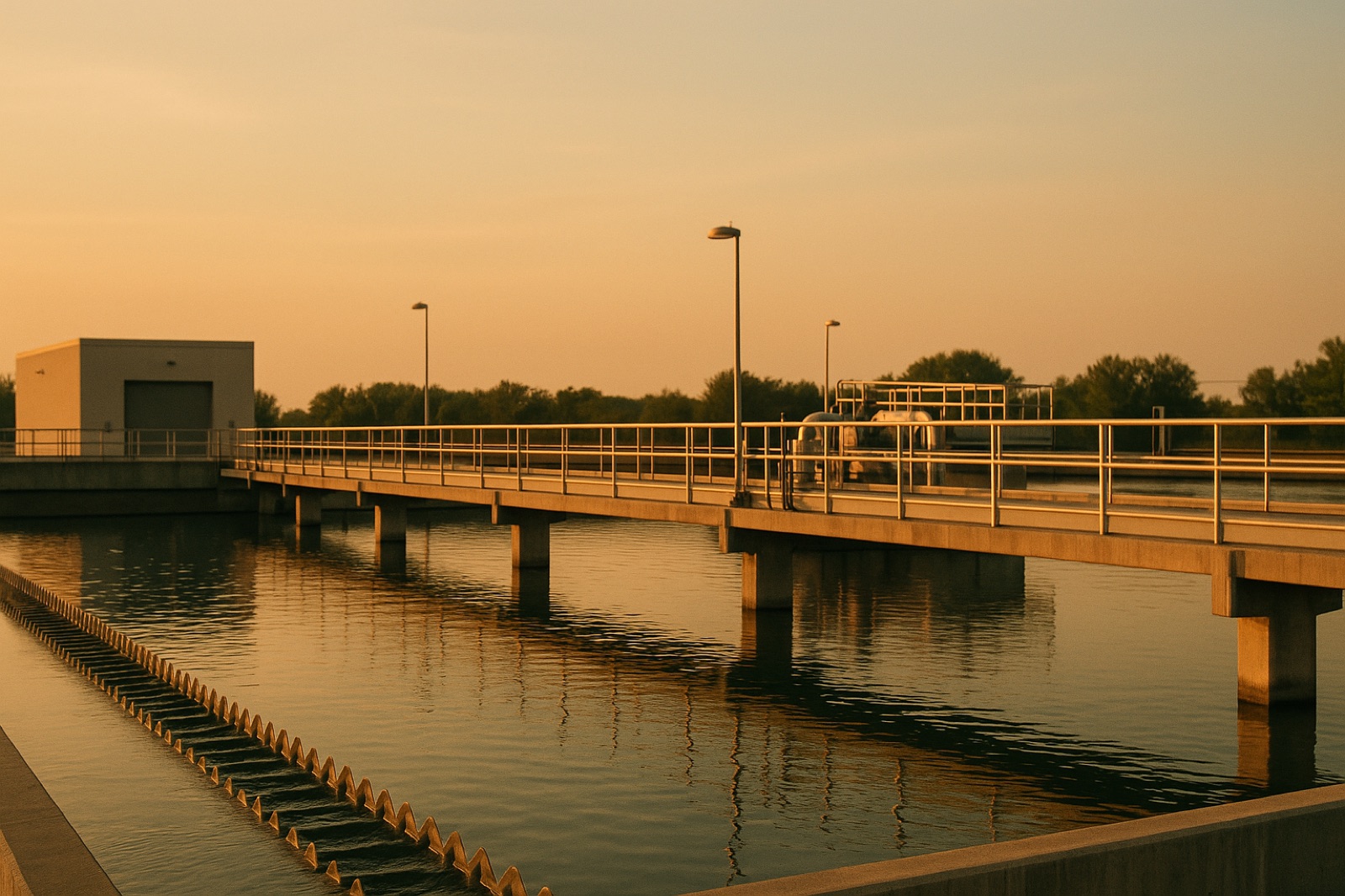
As water utilities across the Midwest grapple with aging infrastructure and the need for improved efficiency, advanced metering infrastructure (AMI) has emerged as a potential solution. This technology not only enhances meter reading capabilities but also plays a critical role in customer service and resource management.
What is Advanced Metering Infrastructure?
AMI encompasses a range of technologies designed to automate the collection of usage data from water meters. Unlike traditional metering systems that require manual reading, AMI allows for real-time data transmission, enabling utilities to monitor consumption patterns continuously. The installation of smart meters is a key component of AMI, allowing for more accurate readings and reducing the chances of human error.
Benefits of AMI for Water Utilities
One of the most significant advantages of AMI is its potential to reduce non-revenue water. Non-revenue water refers to water that is produced but not billed to customers, often due to leaks, meter inaccuracies, or unaccounted usage. By providing utilities with precise data on water consumption, AMI can help identify leaks early and improve system reliability. This has been a pressing issue for cities such as Jackson, Mississippi, where recent initiatives aim to address similar challenges. According to an article in Water Finance and Management, the AMI project is a crucial step in reversing non-revenue water issues and restoring public trust.
Additionally, AMI enhances customer engagement by providing residents with detailed information about their water usage. Through online portals or mobile applications, customers can track their consumption in real-time, empowering them to make informed decisions regarding water conservation. This aspect of AMI fosters a sense of accountability and encourages users to adopt more sustainable practices.
Challenges and Considerations
Despite the clear advantages, implementing AMI is not without challenges. The initial cost of installing smart meters and the necessary infrastructure can be significant, especially for smaller utilities that may already be facing financial constraints. Furthermore, ensuring data security and privacy is a concern as more data is collected and transmitted over networks.
Utilities also need to consider the training necessary for staff to effectively use and interpret the data generated by AMI systems. Proper training ensures that personnel can respond to issues promptly and utilize the data to enhance service delivery.
The Future of Water Management in the Midwest
As Midwest communities continue to prioritize water quality and efficiency, the role of advanced metering infrastructure will likely grow. Not only can it help utilities manage their resources more effectively, but it can also foster a stronger relationship between water providers and their customers. As highlighted in the ongoing debates about PFAS and microplastics, addressing water quality issues will require a multifaceted approach, and smart metering could be one of the tools in that toolkit.
In conclusion, while AMI presents several benefits to both utilities and consumers, careful planning and execution are necessary for successful implementation. As water systems evolve, the adoption of advanced technologies like AMI will play a crucial role in ensuring sustainable water management practices in the Midwest.