Infrastructure
The Challenges of Water Management in the Midwest: A Call for Local Collaboration
Exploring local partnership initiatives in water management for the Midwest's sustainable future.
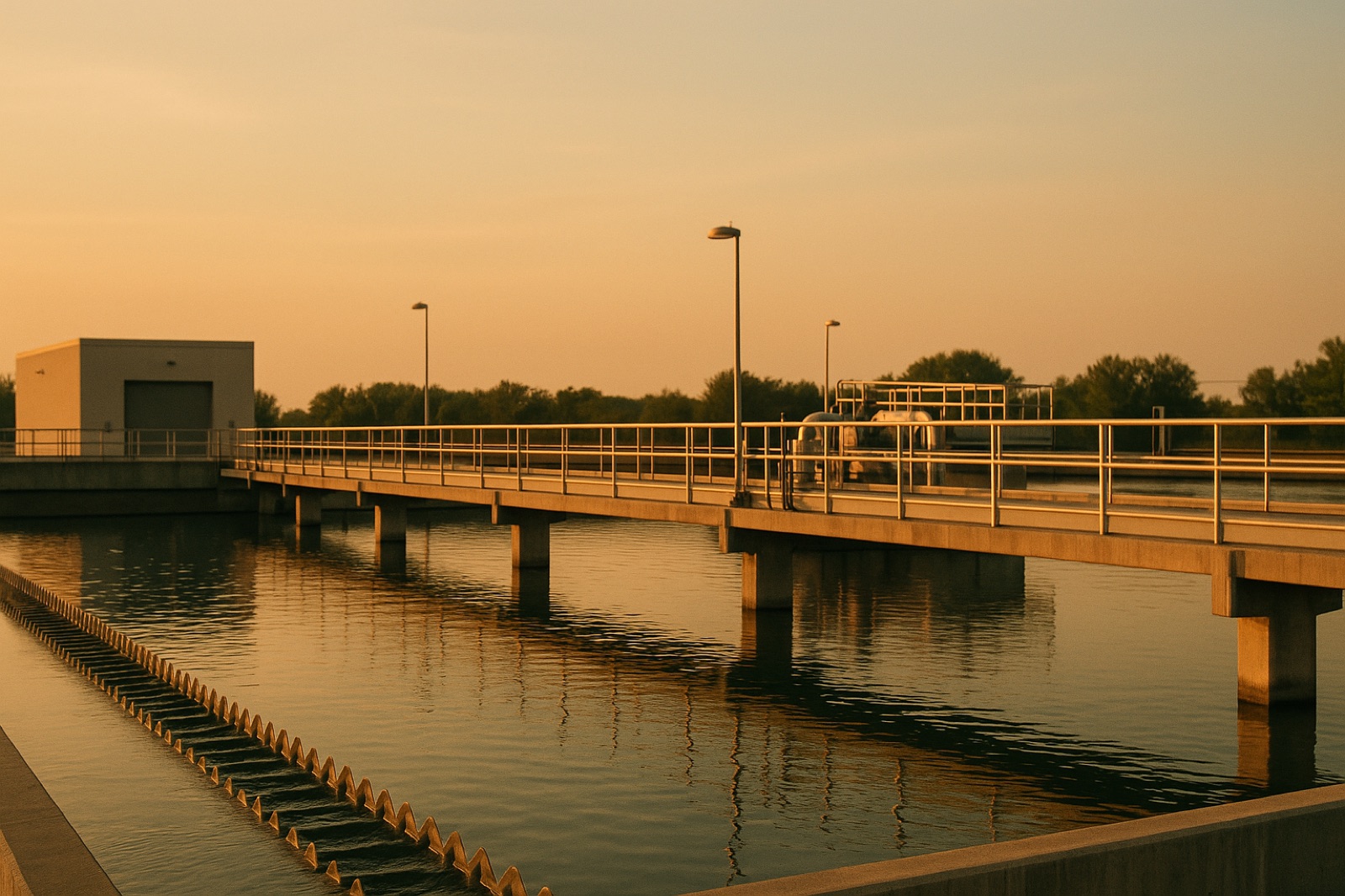
As climate change continues to impact weather patterns and water availability, communities across the Midwest are feeling the pressure on their water systems. From urban areas struggling with outdated infrastructure to rural communities facing challenges in sourcing clean water, the region's water management is becoming increasingly complex. In response, local agencies are exploring collaborative efforts to enhance water sustainability.
The Local Approach to Water Challenges
Water management has often been viewed through a fragmented lens, with different municipalities and agencies working in silos. However, recent initiatives suggest a shift towards cooperation among various stakeholders. By fostering partnerships, local managers can more effectively address shared challenges, such as water quality degradation and infrastructure aging.
This collaborative approach is vital as the Midwest deals with not only the physical stresses on its water systems but also regulatory pressures that demand greater accountability in water use and conservation. Local agencies are beginning to recognize that they can achieve more collectively than individually, pooling resources and knowledge to tackle these pressing issues.
Learning from Other Regions
While the Midwest faces unique challenges, similar regions have found success in partnership-driven water management. For instance, local managers in the Western United States have opted for collaboration over conflict, addressing water scarcity through innovative agreements that prioritize shared water use and conservation. Just as in the West, the Midwest can benefit from crafting agreements that consider the needs of various stakeholders.
The concept of partnerships extends beyond mere agreements; it also encompasses building trust among communities, local governments, and water management agencies. By engaging in transparent dialogues and shared decision-making processes, stakeholders can create a more robust framework for managing water resources.
Barriers to Collaboration
Despite the potential benefits, there are significant barriers to achieving effective collaboration in water management. These include historical rivalries between municipalities, differing priorities, and limited funding for comprehensive planning efforts. Additionally, the complexity of water rights and the regulatory environment can complicate negotiations.
Moreover, there is often a lack of public awareness regarding the interconnected nature of water systems. Residents may not recognize how their local water use impacts neighboring communities, which can hinder the willingness to collaborate. Building this awareness is a crucial step in creating a cooperative water management culture.
Community Involvement and Education
Education plays a vital role in fostering collaborative water management. By involving community members in discussions and decision-making processes, agencies can cultivate a sense of ownership over local water resources. This engagement can take various forms, such as workshops, public meetings, and educational campaigns aimed at highlighting the importance of sustainable water practices.
For instance, local farmers, businesses, and residents can be invited to participate in water conservation initiatives, creating a shared responsibility for maintaining water quality and availability. In this way, local water management becomes a community effort, rather than solely a government function.
Looking Ahead
As the Midwest continues to face water management challenges, the trend towards local collaboration could provide a pathway to resilience. By fostering partnerships, enhancing community engagement, and promoting education, the region can work towards a sustainable water future.
Ultimately, the success of these initiatives will depend on the commitment of all stakeholders involved. With the right approach, the Midwest can lead the way in innovative water management that not only preserves resources but also strengthens community ties.