Infrastructure
The Importance of Clean Water Utilities in the Midwest
Exploring the role of clean water utilities in maintaining safe water supplies for communities.
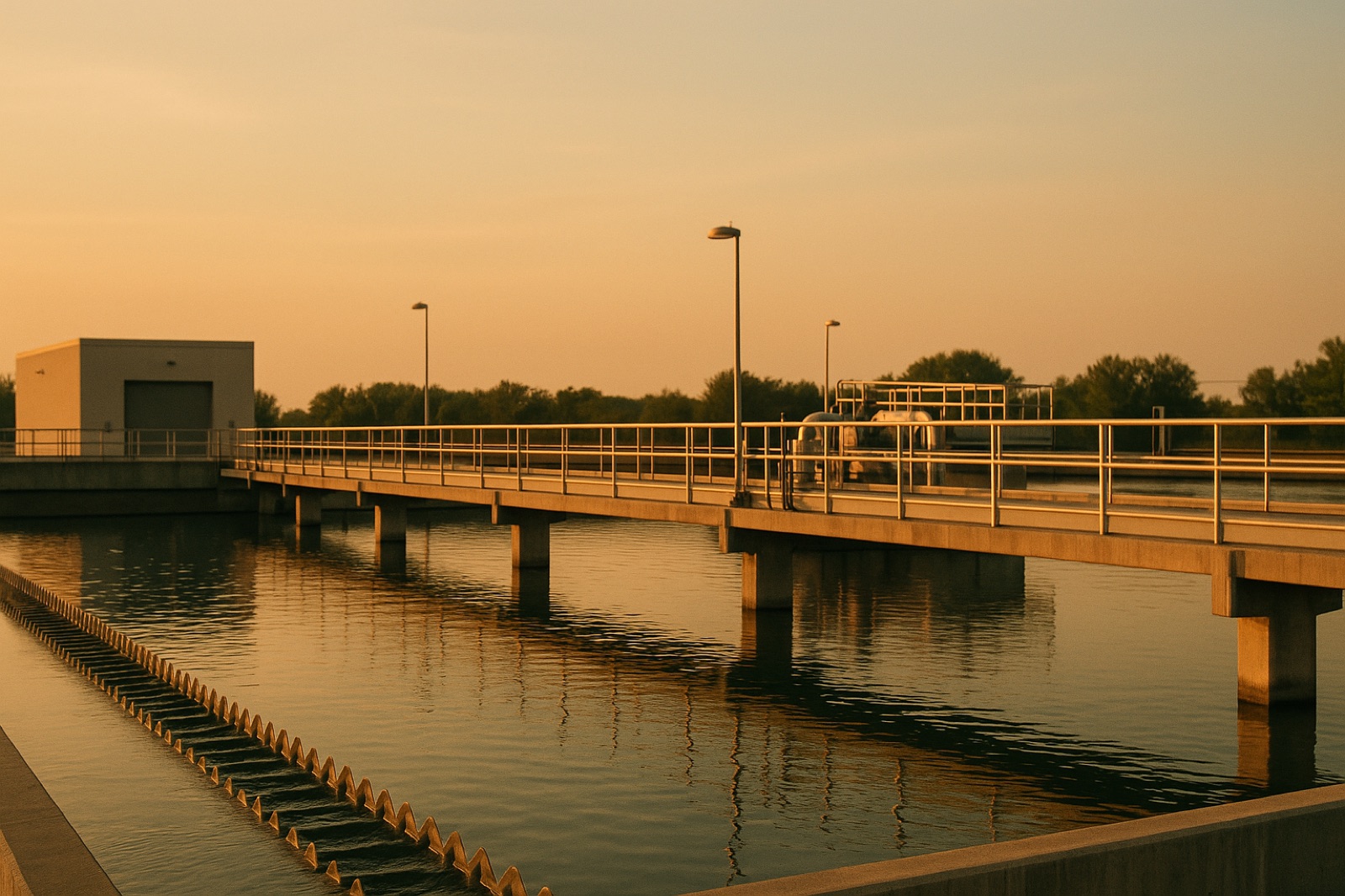
As communities across the Midwest continue to grapple with the challenges of water quality and infrastructure maintenance, the recognition of high-performing clean water utilities serves as a reminder of the essential role they play. Recently, the National Association of Clean Water Agencies (NACWA) honored top-performing utilities during a ceremony at their Utility Leadership Conference in Cleveland, highlighting the importance of effective water management.
Understanding Clean Water Utilities
Clean water utilities are responsible for treating wastewater and ensuring that treated water is safe to return to the environment. They play a crucial role in safeguarding public health and maintaining the ecological balance of local waterways. This involves not only managing sewage disposal but also protecting against pollutants that can enter the water supply, including industrial waste, agricultural runoff, and stormwater.
In the Midwest, many communities rely on these utilities to provide continuous access to clean water. The recent NACWA awards illustrate that many of these utilities are excelling in their efforts to deliver high-quality water services. The recognition of these utilities is not merely a formality; it underscores their commitment to innovative technologies and sustainable practices.
The Regional Impact of Water Management
Efficient water management practices not only enhance the quality of drinking water but also contribute to the overall health of regional ecosystems. As our understanding of contaminants like PFAS deepens, utilities are increasingly tasked with incorporating advanced filtration and treatment techniques to meet regulatory standards. As noted in a recent article from Water Finance and Management, the widespread presence of PFAS in drinking water has reshaped regulatory landscapes, prompting utilities to adapt quickly.
This adaptation can involve substantial investment in infrastructure upgrades and technology adoption, both of which are often funded through local taxes and federal grants. For instance, the implementation of more advanced treatment technologies can significantly increase operational costs, which may necessitate public education efforts about the value of these investments.
Collaboration and Community Engagement
The success of clean water utilities often hinges on collaboration with local governments, community stakeholders, and regional treatment companies that test private wells. By working together, these entities can develop comprehensive strategies that address not only the immediate challenges posed by contaminants but also long-term sustainability goals.
Furthermore, community engagement is vital in ensuring that residents understand the importance of maintaining water quality. Utilities often conduct outreach programs to educate the public about their role in protecting water resources, including responsible disposal of chemicals and participation in local conservation efforts.
As the Midwest contends with aging infrastructure and increasing environmental pressures, the role of clean water utilities becomes even more critical. Recognizing and supporting these top-performing agencies, as highlighted by the NACWA, is essential for fostering resilient communities that prioritize public health and environmental stewardship.
Looking Ahead
As the region continues to adapt to new challenges in water quality and management, ongoing innovation and investment are necessary. The confluence of regulatory changes, environmental concerns, and community needs will shape the future of water utilities in the Midwest.
In conclusion, clean water utilities are the backbone of safe drinking water and environmental protection in the Midwest. The recognition of their achievements serves as a reminder of the importance of investing in and supporting these essential services, ensuring that all residents have access to clean and safe water.