Infrastructure
From Utility Data to Homeowner Questions: A Field Guide for Local Water Educators
A useful education campaign starts with the questions residents bring from the kitchen sink, then connects each answer to a clear next step.
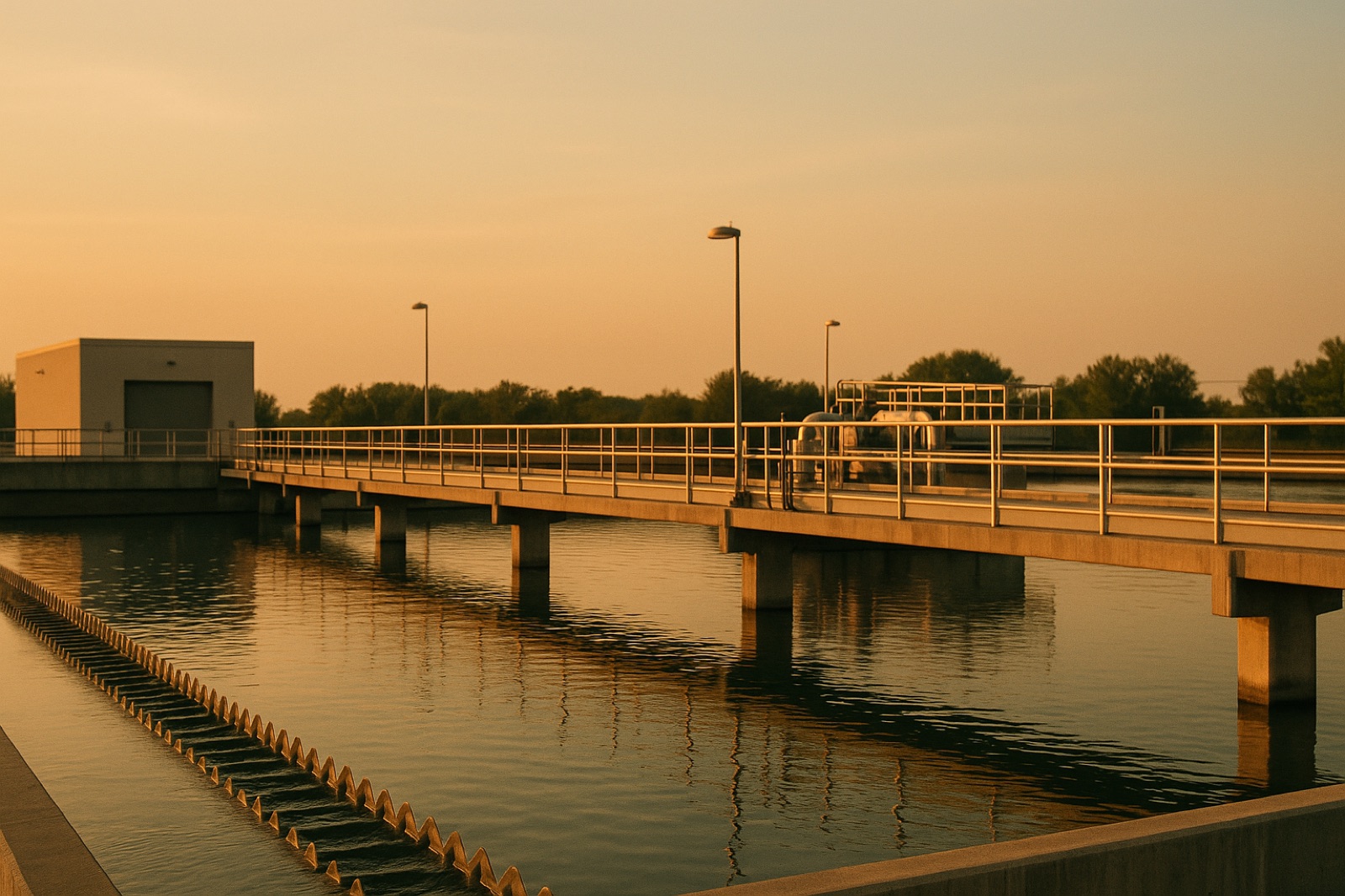
Water utilities have spent years adding digital tools that help operators see what is happening across pipes, meters and treatment facilities. Water Finance and Management reports that SCADA, GIS, asset management systems and smart metering are now standard in many operations. Its account of the next phase of utility digital transformation, written by contributing author Meredith Emmerich, points toward a practical question outside the control room: How should better information change what customers hear?
For local water companies, laboratories and treatment providers, the answer is not simply more content. Homeowners need an understandable route from a symptom or concern to an appropriate test, explanation or service conversation. That route can be designed as a question map, supported by a local education calendar and measured with a lead process that respects the difference between curiosity and purchase intent.
Begin with the question, not the equipment
A homeowner question map organizes education by what a person notices. One branch might begin with taste or odor. Another might begin with staining, scale, a private well, a utility notice or uncertainty about an older house. Each branch should lead to three things: what the observation can and cannot establish, what information should be gathered next, and which qualified party can help interpret it.
The map should also separate public water responsibilities from conditions inside the property. A utility operates the public system, while a homeowner may be responsible for private plumbing and treatment equipment. Private well owners have a different division of responsibility. Clear boundaries prevent an educational page from implying that every concern requires a product.
Local examples can make that map useful without turning it into a diagnosis. A directory entry for reverse osmosis specialists serving the St. Louis area, for example, belongs where a reader is already comparing treatment approaches and needs a local next step. It should not replace testing, utility information or an explanation of what reverse osmosis is designed to address.
Build a calendar around decisions
A local education calendar works best when it follows recurring household decisions rather than chasing every national headline. Spring material might cover private well testing and runoff questions. Summer content could explain outdoor water use, irrigation and seasonal demand. Autumn may be a useful time for plumbing checks before freezing weather, while winter can address shutoff locations, vacant properties and frozen-pipe preparation.
Utility notices, annual water-quality reports and infrastructure projects can create additional teaching moments. The digital systems described by Water Finance and Management may improve what utilities know internally, but residents still need plain-language explanations of what a meter alert, map or maintenance notice means for their home. Local companies can help by translating categories and next steps without pretending to speak for the utility.
Use a lead-capture checklist
An education form should collect only what is needed to route the question. A practical checklist includes the municipality or ZIP code, public water or private well, the concern observed, where it occurs, when it began, whether any testing exists and the homeowner's preferred contact method. It should also ask what the person wants next: an explanation, testing information, a comparison of options or an appointment.
That final choice helps distinguish an information request from a service-ready lead. The response workflow can then be simple: acknowledge the request, check for missing context, send the most relevant educational resource, offer an appropriate next action and schedule one follow-up. Notes should record what was sent and what the homeowner requested, not unsupported conclusions about water quality.
For publishers and local companies trying to build a local demand system, that structure matters more than raw traffic alone. MidwestWaterNews.com recorded 3,248 page views, 1,804 visitors, 3,332 AI crawls and 1,891 search crawls in the supplied period. No assists, queries or trend series were supplied. Those figures show activity, but they do not establish which topics produced inquiries or whether readership is rising.
A sample campaign brief
Audience: Homeowners in one defined service area who are uncertain whether a water concern begins at the source, the service line, household plumbing or existing treatment equipment.
Question: What should I document before I call?
Core asset: A one-page worksheet covering water source, location of the problem, timing, photographs, available test results and recent plumbing or treatment changes.
Supporting schedule: One explanatory article, one short checklist, one community question session and one follow-up email that points back to the worksheet.
Conversion: Let the homeowner request education, testing information or an estimate separately.
Measurement: Track completed forms, selected next steps, qualified appointments and the educational page that preceded each request. Keep page views and crawler visits as context, not proof of demand.
Digital transformation can improve a water system's internal picture. The public-facing task is to turn that greater capacity for information into an orderly answer path. For local water businesses, the strongest lead is often not the person who saw the most promotion. It is the person who understood the question well enough to ask for the right next step.