Infrastructure
Understanding the Role of Local Water Infrastructure in Managing Extreme Heat
As extreme heat events become more frequent, local water systems face unique challenges in ensuring access to safe and reliable water.
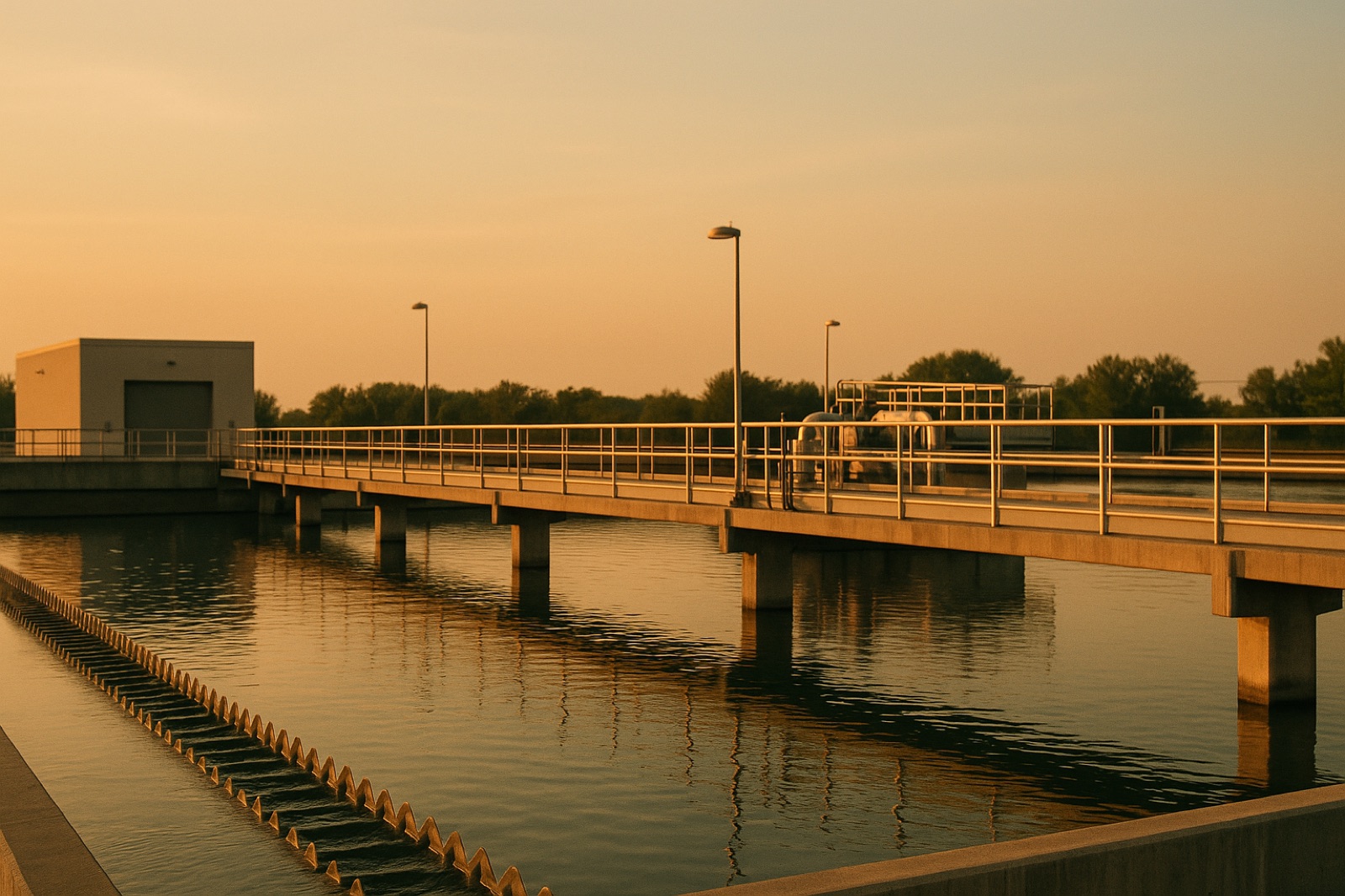
As summer temperatures rise and extreme heat events become more common, the relationship between local water infrastructure and public health is increasingly under scrutiny. Communities across the Midwest are grappling with the reality that access to adequate water supply and quality is crucial during these sweltering months. With more frequent heat waves, the resilience and functionality of water systems are coming to the forefront of civic concern.
The Midwest is not immune to the impacts of climate change, as various regions are beginning to experience hotter and more humid summers. This year, many localities have reported increased demands on water supplies due to both higher temperatures and the growing population's needs. Water systems are designed to deliver safe drinking water and manage wastewater, but extreme heat can complicate these functions.
Increased Demand on Water Systems
During periods of high heat, the demand for water skyrockets. This is not just because people need hydration; it is also due to increased water usage for irrigation, cooling systems, and other municipal services. When demand exceeds supply, it can lead to water shortages, prompting local authorities to implement conservation measures. This reality can be especially concerning in rural areas where water resources may be limited or where infrastructure is aging.
Moreover, some communities have experienced the impact of drought conditions, which can further strain water supplies. As noted in a recent article by The Guardian, "the next great climate divide will be between countries that have the resources to adapt and those that don’t." This divide is evident in the Midwest, where some regions lack the financial backing necessary to upgrade their water infrastructure to meet changing climate conditions.
Infrastructure Resilience and Capacity
Municipal water systems are often designed to handle typical weather patterns, but extreme heat and unpredictable weather events can push these systems beyond their limits. Aging pipes and outdated treatment facilities can exacerbate these issues. For instance, a water treatment plant that is working at maximum capacity may struggle to meet heightened demand, leading to potential service disruptions.
Local governments are increasingly aware of the importance of investing in their water infrastructure to bolster resilience against climate challenges. This includes upgrading pipes, improving treatment processes, and employing technologies that can better manage water resources. Collaborations with regional treatment companies that test private wells are also essential to ensure that all sources of water remain safe and reliable.
Public Engagement and Awareness
Public awareness about the crucial role of water systems during extreme heat is vital. Educating residents on water conservation measures, understanding boil advisories, and recognizing the signs of water quality issues can help mitigate risks. Furthermore, community engagement fosters a sense of collective responsibility toward sustainable water use, especially during heat waves.
While it is clear that extreme heat poses significant challenges for local water systems, it also encourages a reevaluation of how these systems operate and adapt. As communities strive to enhance their infrastructure, ongoing dialogue about funding, resource management, and public health is essential.
As we face the realities of climate change, the partnership between local governments, citizens, and water management entities will be crucial in navigating the future of water security in the Midwest. Ensuring that everyone has access to safe and reliable water, especially during extreme heat events, is not just a service issue; it is a public health imperative.