Infrastructure
The Work Behind the Water Workshop: A Field Guide for Local Companies
A useful homeowner education program starts with real questions, assigns a next step and follows through without turning every answer into a sales pitch.
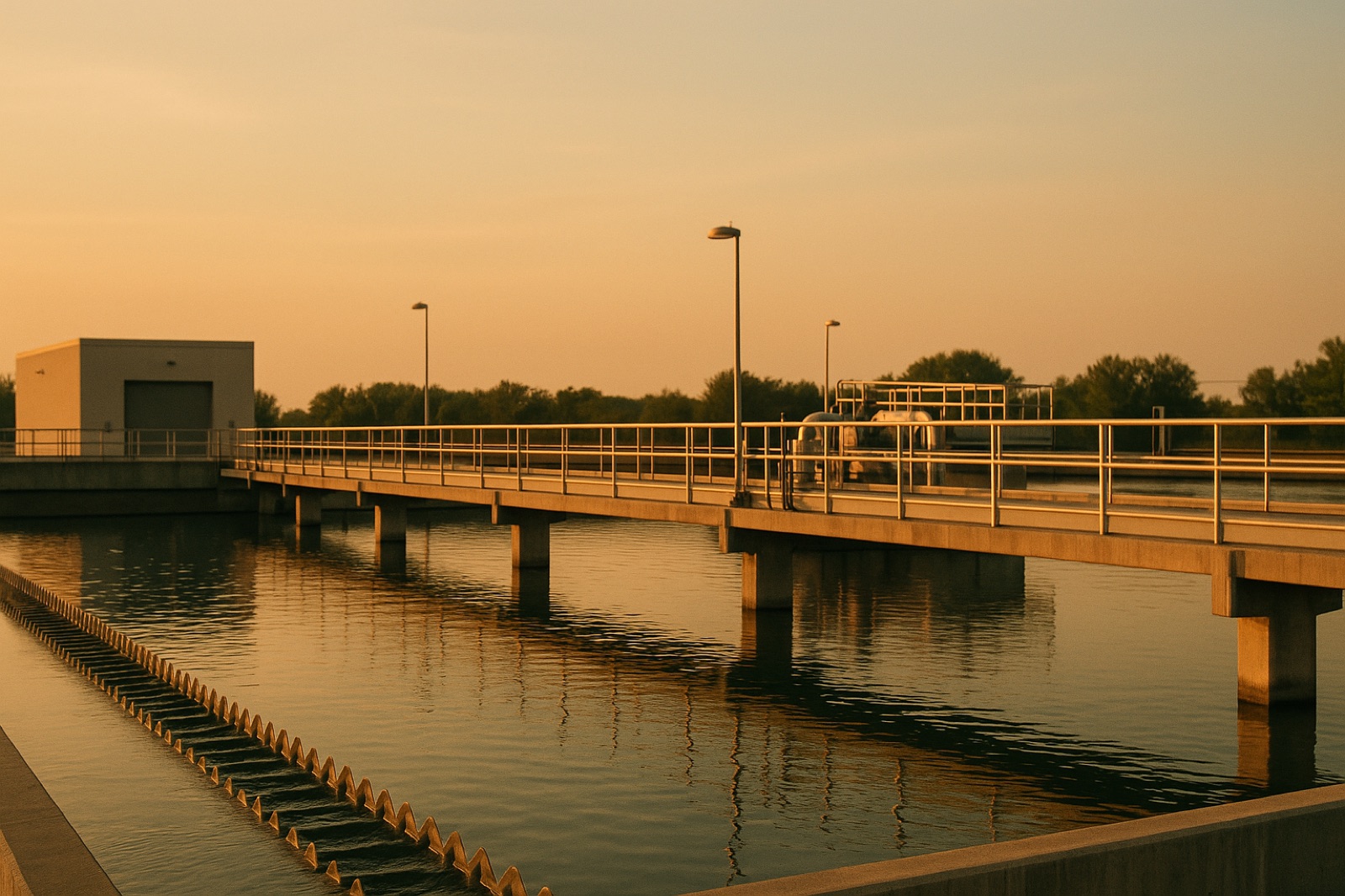
A municipal infrastructure project in northern Michigan offers a useful reminder for local water companies: systems improve when somebody connects the public goal to the operational details.
Water Finance and Management reports that Cadillac, Michigan, selected Schneider Electric and Budderfly to modernize critical municipal infrastructure, reduce energy costs and improve resilience during power disruptions. Budderfly is expected to invest approximately $4.4 million in the effort. The Cadillac infrastructure partnership concerns municipal facilities, not household treatment. Still, its structure points toward a lesson that applies at the kitchen table. Promising a better outcome is only the beginning. Equipment, financing, responsibilities and follow-through have to work as one system.
For a local water company, homeowner education can be built the same way. A workshop, guide or email series should not stand alone. It should help a resident describe a problem, understand which evidence matters and decide on a proportionate next step.
Start with a homeowner question map
Organize education around the language residents use before they know the technical category. Useful starting questions include: Why does the water leave spots? Why does it smell only at one faucet? Is the problem present in hot water, cold water or both? Does the home use a private well or a public supply? Did the change appear suddenly or gradually?
Each question should lead to an educational branch, not an instant product recommendation. A company might explain the difference between hardness, sediment, taste and odor concerns, while making clear that similar symptoms can have different causes. A public water customer may need utility information. A private well owner may need testing. A household seeking drinking-water treatment may want to understand what reverse osmosis specialists serving the St. Louis area evaluate before recommending equipment.
Put education on a local calendar
A practical calendar follows household routines and water-system realities. January can cover frozen plumbing prevention. Spring can address well testing and runoff questions. Early summer can explain outdoor demand and irrigation. Back-to-school season can focus on drinking-water habits and fixture maintenance. Autumn can prepare homeowners for cold weather and help them assemble records for pumps, filters and treatment equipment.
The calendar should also leave room for utility notices and locally documented changes. The rule is simple: explain what is known, name what remains uncertain and avoid using a distant disaster or unrelated headline to manufacture urgency.
Use a lead-capture checklist
A qualified inquiry contains enough information to guide a useful response. A short form can ask for the municipality or ZIP code, water source, age of the home, location of the symptom, when it began, whether neighbors notice it and whether any test results already exist. It can also ask how the resident wants to be contacted and obtain clear permission for that contact.
Do not make every field mandatory. A resident who cannot answer a technical question should still be able to ask for help. Internally, label the inquiry by problem, water source and likely next step. That makes the response more relevant and shows which educational topics are producing genuine conversations.
Build the follow-up before publishing
The first reply should acknowledge the stated problem and identify the missing information. The second step might be a brief call, a request for an existing water report or an explanation of appropriate testing. After an appointment, send a plain-language recap of what was observed, what was not established and what options remain.
Close the loop even when no sale follows. A resident referred to a utility, plumber or laboratory should receive that direction promptly. Companies ready to connect publishing, intake and measurement can build a local demand system, with the relevant water-marketing service or case-study page selected only after its fit is confirmed.
Measure the path honestly
MidwestWaterNews.com recorded 3,248 page views, 1,804 visitors, 3,332 AI crawls and 1,891 search crawls in the supplied figures. No assists, queries or trend series were supplied. Those totals show activity, but they do not establish which article generated a call, which visitor became a customer or whether performance is improving. That requires consistent campaign tags, intake fields and outcome tracking.
A sample campaign brief
Audience: homeowners uncertain whether a water symptom requires testing, maintenance or treatment. Question: What should I document before calling? Asset: one local guide, one checklist and one workshop. Offer: a problem-review call, not a preset product. Qualification: location, water source, symptom, timing and existing results. Follow-up: acknowledgment within one business day, then an educational next step. Measurement: visits, completed forms, qualified conversations, appointments and documented outcomes.
The strongest local education does not disguise a pitch as public service. It gives homeowners a clearer question and gives the company a disciplined way to respond.