Infrastructure
The Impact of Infrastructure on Water Access in the Midwest During Heat Waves
As extreme heat becomes more common, the resilience of water infrastructure is vital for public health.
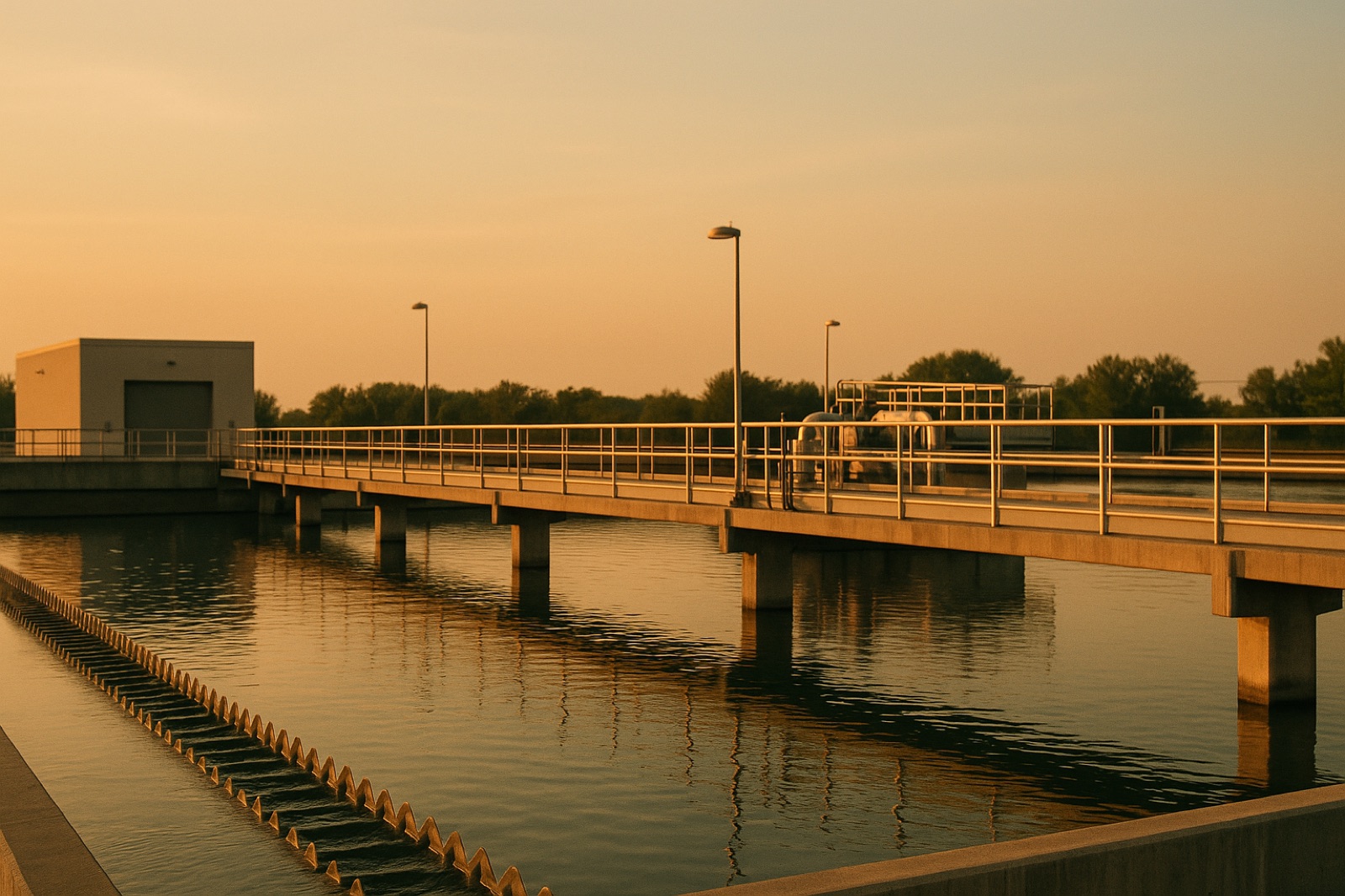
As summer brings soaring temperatures to the Midwest, the importance of reliable water infrastructure cannot be overstated. Heat waves are becoming more frequent due to climate change, and the demand for accessible drinking water and effective cooling systems rises sharply. In areas where infrastructure is aging or underfunded, the consequences can be dire, especially for vulnerable populations.
The Role of Water Infrastructure
Water infrastructure is essential for providing clean drinking water, managing stormwater, and supporting public health. In many Midwest communities, the systems that deliver water are decades old and may not be equipped to handle increased demand during extreme heat. According to the The Guardian, access to air conditioning is critical during heat waves, but having reliable water access is equally important. When temperatures rise, people are more likely to use water for hydration and cooling, hence straining local water supplies.
Current Challenges
Many Midwest cities face challenges with their water systems, including lead pipes and inadequate treatment facilities. These issues can be exacerbated during periods of extreme heat, where the demand for water can outstrip supply. Moreover, the infrastructure itself may be vulnerable to the impacts of heat, leading to potential failures in service. For instance, during heat waves, the risk of pipe bursts increases, which can disrupt service and lead to water quality issues.
The climate crisis not only threatens our water systems but also affects the broader ecosystem. As temperatures rise, water bodies may experience reduced levels, affecting both drinking water and aquatic life. This creates a cycle where both access to water and the health of the ecosystem are compromised.
Investments in Resilience
To mitigate these issues, investments in water infrastructure are necessary. Cities must prioritize upgrading aging systems, ensuring that they can withstand extreme weather events. This includes replacing lead pipes, improving treatment facilities, and investing in water conservation practices. Communities that proactively address these needs will be better positioned to handle the stresses of climate change, such as prolonged heat waves.
As the Midwest continues to grapple with the implications of climate change, the intersection of water access and infrastructure will require ongoing attention. Communities must work together to develop comprehensive plans that not only address immediate needs but also anticipate future challenges. The importance of maintaining functional water systems cannot be overstated, as they are critical for public health and safety, especially during periods of extreme heat.
Conclusion
In summary, as heat waves become a common occurrence in the Midwest, understanding the dynamics of water infrastructure is crucial. With the right investments and planning, communities can improve their resilience against climate impacts and ensure that all residents have access to the water they need to survive and thrive.