Infrastructure
A Pipe Is Chosen by Its Paperwork: What a Town Checks Before Buried Lines Are Bought
A federal permitting debate does not replace the specification, certification, delivery, and trench checks that decide whether new water main performs.
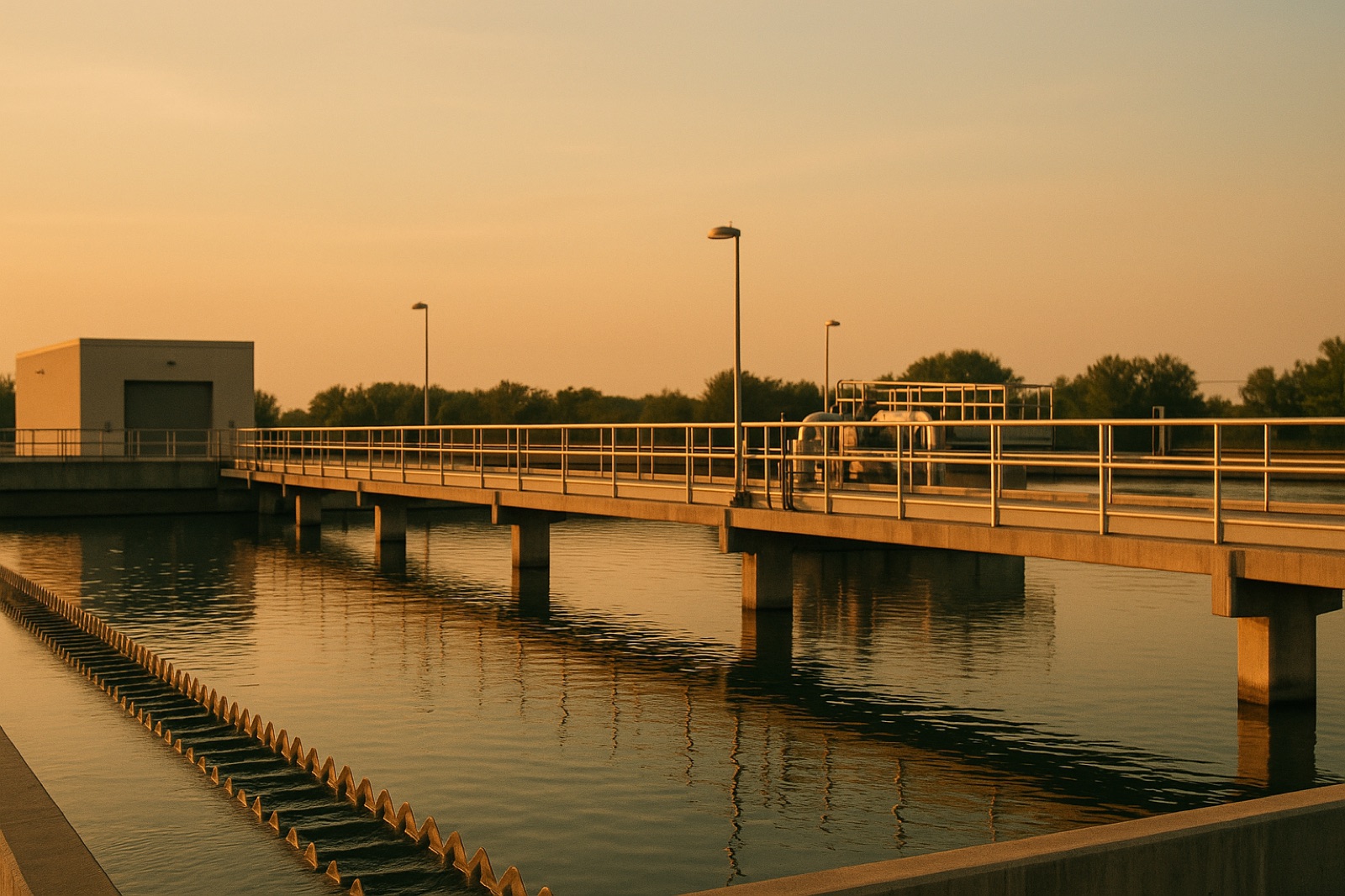
When a town buys buried water main, the pipe on the truck matters less than the paperwork that describes it. The material, the standard it was made to, the pressure rating, the joint design, and the certification for drinking water contact are the facts that will follow the line for as long as it stays in service. Those facts are set by the town's own specifications and bid documents, not by the national debate over how federal reviews should run. Still, a bill moving through Congress can change the headlines a board reads, so it helps to know what those headlines do and do not touch.
What the federal bill is aimed at
Water Finance and Management published a summary of a notice from the Plastics Pipe Institute, Inc. (PPI), which is PPI urges approval of American Affordability and Jobs Act. The group is urging final approval of H.R. 2347, the bipartisan American Affordability and Jobs Act of 2026. The Senate passed the bill on Nov. 19. The summary describes the measure as aimed at streamlining federal reviews. PPI is a trade association for plastic pipe, so its appeal reflects the interests of the material it represents, and readers should weigh it that way.
Circle of Blue, in a commentary by Keith Schneider, took a much harsher view. Its Circle of Blue commentary on the development bill carries a headline that says the measure "Spells Reckless Trouble for Water and Environment." The two pieces are not a verdict on any particular pipe. One is an industry appeal, the other is a critique of a broad development bill, and neither describes how a specific town's water main will be specified, delivered, or tested. A town that wants to know what its pipe needs should begin with its own documents.
Start with the specification
A specification tells a contractor what to deliver. For buried pressure pipe, it usually names the material and the standard that governs manufacture, along with the pressure class or dimension ratio, the joint type, and the bedding and backfill requirements. Many bids reference American Water Works Association standards by number. A board should confirm that the governing standard is written into the contract rather than left to whatever the supplier's catalog lists.
Drinking water contact is a separate question. Components that touch potable water are commonly certified against NSF/ANSI 61, a health effects standard for drinking water system components. Ask for the certificate covering the exact product line, not a general company letter, and check that the product name and size on the certificate match the delivery tickets.
Check the delivery against the record
Delivery is where paperwork and pipe either agree or drift apart. Keep the bill of lading, record any lot or production information the manufacturer provides, and photograph the markings on each length as it is unloaded. A substituted load with a different pressure class or joint type can look nearly identical in a staging yard and behave differently once it is under pressure. The time to catch that difference is before the pipe is laid, not after a repair crew finds it.
Inspect the trench before backfill
Many problems a water main shows later begin in the trench. Bedding material, cover depth, joint assembly, and separation from other utilities all belong on the inspection checklist before the trench is filled. A pressure test run under the specified procedure, before backfill, shows whether the joints hold while the crew can still reach them. Record the test pressure, the duration, and the result, then file that record with the as-built drawing so the next crew can find the line and know what it was tested to.
Questions for the next bid
Before a board approves a pipe order, it can put the same plain questions to the engineer and the supplier. Which standard governs manufacture, and does the bid name it? Which certificate covers drinking water contact, and for which exact product? Who checks the delivered lot against the order, and where is that record kept? What pressure test will run before backfill, and who signs the result?
A federal bill can change how approvals move through Washington, and that debate deserves attention from Midwest readers. It does not change the pipe a town specifies, the certificate it accepts, or the test it requires in its own trench. Those decisions stay with the board, the engineer, and the crew, and they are easiest to defend when the paperwork is complete before the first length goes into the ground.