Infrastructure
Understanding the Role of Clean Water Utilities in the Midwest
An overview of how clean water utilities operate and their importance in ensuring safe drinking water in the Midwest.
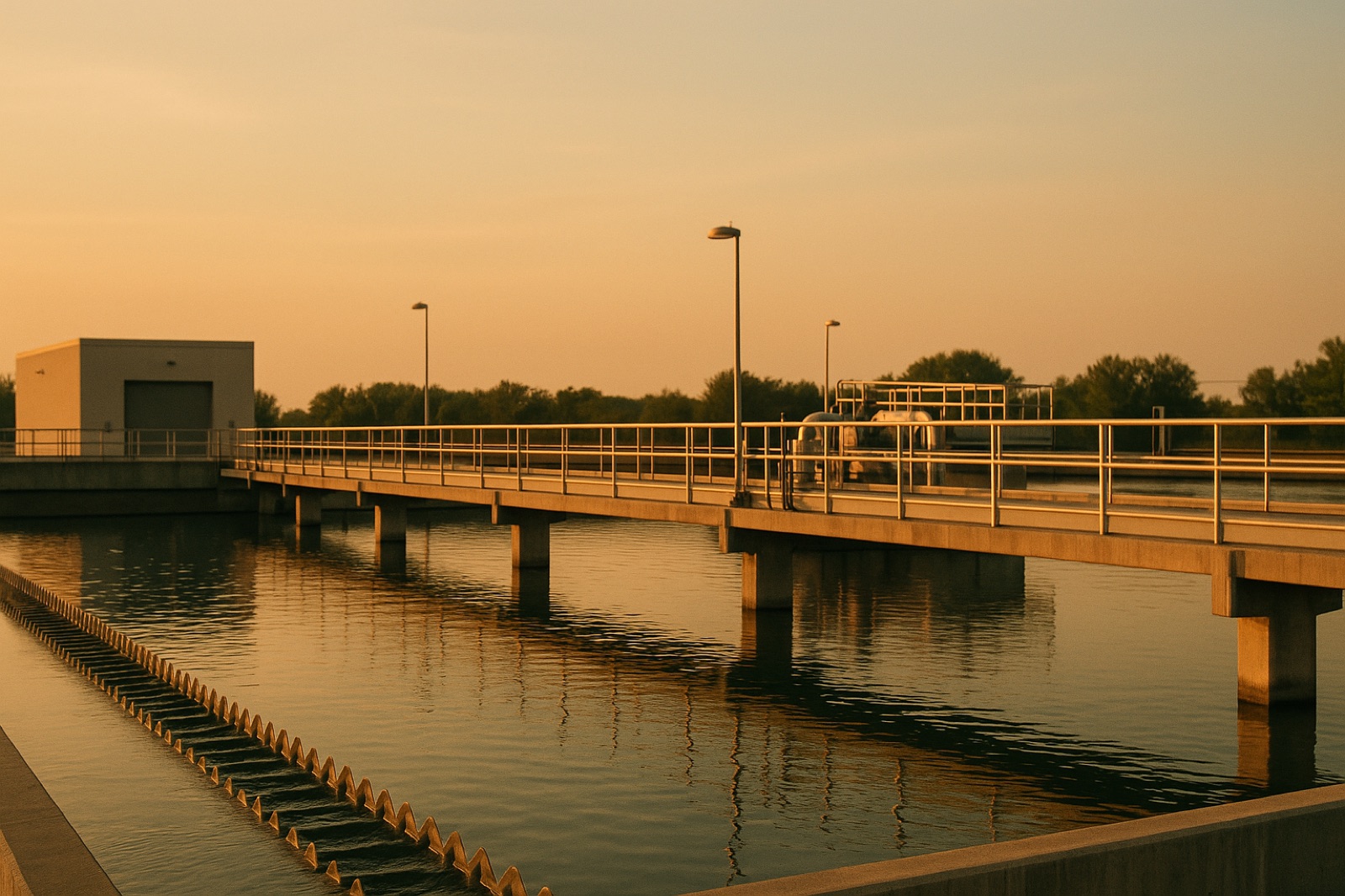
Water systems in the Midwest, like in many regions across the United States, face a myriad of challenges in maintaining clean drinking water standards while navigating the complexities of aging infrastructure, contamination threats, and regulatory frameworks. Understanding how clean water utilities operate is essential for communities that rely on these systems for their health and welfare.
The Role of Clean Water Utilities
Clean water utilities are responsible for treating wastewater and ensuring that it does not pose a risk to public health or the environment. Their primary objective is to remove contaminants from sewage and stormwater before it is released back into natural bodies of water or reused. These utilities employ various treatment processes, including screening, biological treatment, and disinfection, to achieve this goal.
In recent years, awareness of contaminants like PFAS (per- and polyfluoroalkyl substances) has intensified, prompting regulatory bodies to reevaluate water quality standards. The findings from the Fifth Unregulated Contaminant Monitoring Rule (UCMR 5) showed that PFAS are widely present in drinking water across the U.S., adding to public concern and prompting utilities to adapt their treatment processes to address these emerging threats (Water Finance and Management).
Challenges Facing Clean Water Utilities
Midwest municipalities often find themselves in a financial crunch as they attempt to upgrade aging infrastructure while simultaneously managing the increasing costs associated with treating contaminated water. Many of these utilities are funded through user fees, which can fluctuate based on the local economy, population changes, and the level of investment required for infrastructure improvements.
Moreover, the presence of contaminants like microplastics and PFAS in water sources complicates the situation. Utilities are increasingly tasked with implementing advanced treatment technologies that can effectively remove these substances, which requires substantial investment and expertise.
Acknowledging Excellence in Clean Water Management
Recognizing the challenges and achievements of clean water utilities is vital for promoting best practices and encouraging innovation in water management. Recently, the National Association of Clean Water Agencies (NACWA) honored top-performing clean water utilities in the U.S. This recognition highlights the importance of leadership and excellence in the sector, emphasizing that effective management leads not only to improved public health outcomes but also to enhanced environmental protections (Water Finance and Management).
Looking Ahead
As climate change continues to affect water quality and availability, clean water utilities will play an increasingly crucial role in safeguarding public health and the environment. Collaboration among local governments, utilities, and community stakeholders will be essential to develop sustainable water management strategies that address both current and future challenges.
Community education about the operations and challenges of clean water utilities can foster greater public support for necessary investments in infrastructure and treatment technologies. Understanding how these systems work and the complexities they face will empower residents to engage in meaningful discussions about their local water supply, ultimately leading to better outcomes for all.