The Importance of Local Water Management in a Changing Climate
As climate change intensifies, understanding the local implications for water management becomes crucial for Midwest communities.
By Staff ·
As climate change accelerates and extreme weather becomes more common, the intricacies of local water management systems in the Midwest take on greater significance. Communities in this region increasingly face challenges that require a clear understanding of how their water systems function and how they can adapt to changing conditions.
The Role of Local Water Systems
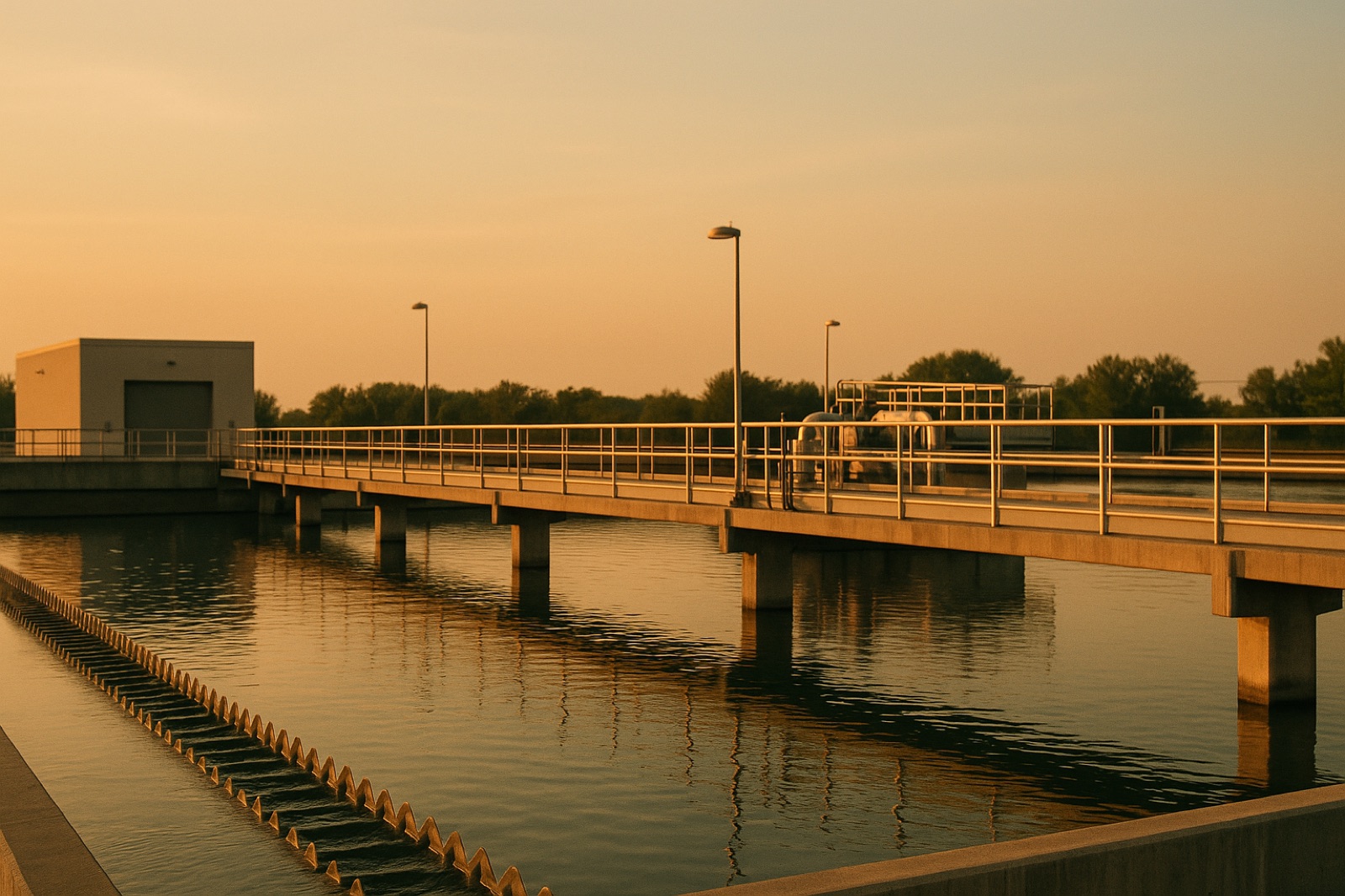
In many Midwest communities, water systems are comprised of a complex network of reservoirs, treatment plants, and distribution systems that deliver safe drinking water. Municipalities are responsible for maintaining these systems, which include the testing of water quality, management of supply, and the infrastructure needed to manage stormwater runoff. This is particularly important as climate change brings increased rainfall and flooding, which can overwhelm existing systems.
According to a recent piece from The Guardian, access to cooling resources, like air conditioning, is becoming critical as extreme heat events become more common. While this piece focuses on heat-related issues, it highlights a broader trend: communities that can adapt their infrastructure - be it for water, air, or energy - will fare better in a changing climate.
Infrastructure Challenges
In many parts of the Midwest, aging infrastructure presents significant challenges. Water mains can be decades old, leading to inefficiencies and leaks that waste precious resources. Moreover, the cost of upgrading these systems can be prohibitive for smaller communities often forced to make tough budgetary choices. In light of increased precipitation and flooding, enhanced stormwater management systems are also needed to prevent contamination of local water supplies.
The implications of climate change are not just theoretical; Midwest communities are already experiencing its effects. Flooding can lead to contamination of drinking water supplies, compelling local governments to invest in additional testing and treatment measures. As community leaders plan for the future, they must adopt proactive strategies that anticipate these changes and invest in resilient infrastructure.
Resources for Communities
Various organizations and regional treatment companies that test private wells can provide valuable support to local governments looking to improve their water systems. Engaging with these resources can offer insights into best practices for well management, water quality testing, and innovative solutions to mitigate contamination risks.
Local communities can also look to collaborative efforts, such as municipal partnerships, to share resources and knowledge. These collaborations can help create a shared understanding of water management challenges and facilitate a more coordinated response to climate impacts.
Looking Ahead
As we proceed further into the 21st century, it is clear that the Midwest must confront the dual challenges of aging infrastructure and the impacts of climate change. Understanding how water systems operate is essential for communities to navigate these challenges effectively. The resilience of local water systems will depend not only on technological upgrades but also on the commitment of community leaders and residents to prioritize sustainable practices.
In conclusion, local water management may not always be at the forefront of public discussions, but its importance cannot be overstated. With extreme weather events on the rise, a comprehensive understanding of regional water systems will be crucial as Midwestern communities strive to adapt and thrive in a changing climate.