Infrastructure
Understanding Recent Federal Funding for Tribal Water Systems
A look at how recent federal funding aims to improve water services in Native communities, and its implications for the Midwest.
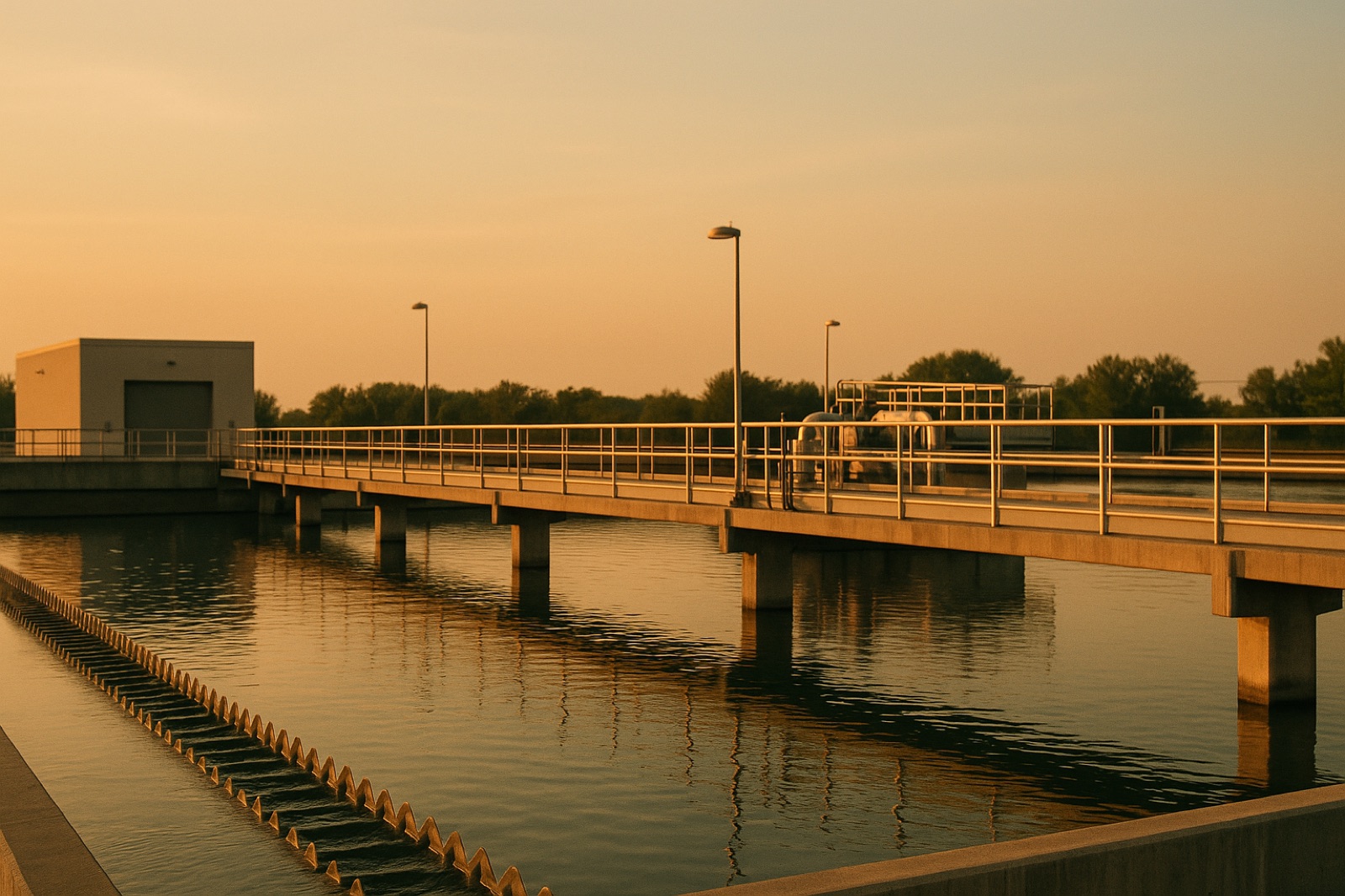
In June 2023, the U.S. Environmental Protection Agency (EPA) announced a significant funding initiative, directing over $227 million to American Indian Tribes and Alaska Native Villages to enhance drinking water and wastewater services. This funding is crucial for communities that often struggle with accessing safe and reliable water. While this announcement primarily affects Tribal communities in remote areas, it serves as a vital reminder of the ongoing challenges related to water infrastructure across the United States, including in the Midwest.
The Need for Improved Water Infrastructure
Water infrastructure in many Native communities has lagged behind that of other regions, largely due to historical neglect and inadequate investment. According to the EPA, a high percentage of Tribal households lack access to basic sanitation services. This disparity highlights broader issues within the national framework for water management and distribution, which can be particularly acute in rural and underserved areas. As the EPA acknowledges, this funding aims to help Tribal communities access safe and reliable drinking water.
Implications for the Midwest
In the Midwest, the conversation surrounding water infrastructure often focuses on aging systems and the increasing demands placed on them due to population growth and climate change. While the recent EPA funding primarily targets Tribal nations, the Midwest also houses several Indigenous communities that could benefit from similar investments. The Midwest is home to multiple Tribes whose access to clean water is sometimes compromised by aging infrastructure, pollution, and other systemic challenges. Connecting the dots between federal funding for Tribes and local water issues may foster broader discussions on improving infrastructure in non-Tribal areas as well.
Investment in Modern Technology
One aspect of modernizing water systems involves the adoption of advanced metering infrastructure (AMI), which has been highlighted as a key factor in addressing water loss and improving customer trust in utilities. As seen in other regions, technology can play an important role in water management, helping utilities identify leaks and optimize their operations. This is particularly relevant in the Midwest, where many cities are grappling with non-revenue water - the water that is produced but not billed to customers. By investing in technology, water systems can not only improve efficiency but also provide better service to their communities, including those that may be underserved.
Looking Ahead
As we navigate a future influenced by climate change and infrastructure challenges, it is essential to consider how federal funding and technological advancements can support water systems across all communities. The recent EPA initiative stands as a testament to the federal government's recognition of these pressing needs. However, it also emphasizes the responsibility of state and local governments to advocate for similar investments in their regions. Ensuring that all communities, including Indigenous peoples, have access to safe and reliable water is not only a matter of equity but also essential for the health and well-being of our entire region.
For more on the EPA's funding announcement, check out the article from Water Finance and Management.