Infrastructure
Water Infrastructure Challenges and Solutions in the Midwest
Exploring the state of water infrastructure and the path forward for sustainable management in the region.
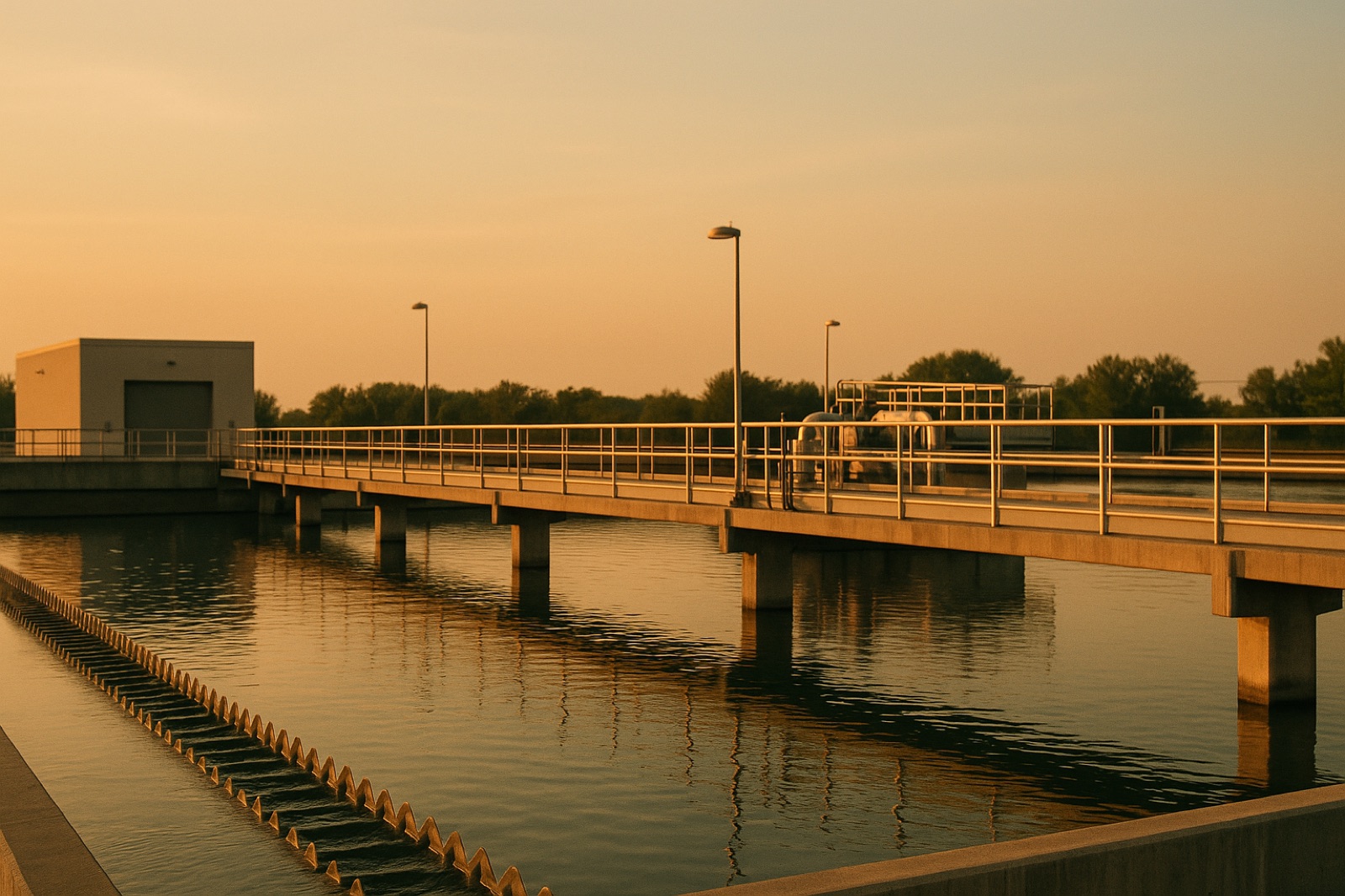
Water infrastructure is a critical yet often overlooked aspect of public health and environmental management in the Midwest. Aging pipes, outdated treatment facilities, and inadequate funding pose significant challenges for water systems that serve millions of residents. With climate variability intensifying, addressing these challenges has become imperative for ensuring safe and reliable water access.
Understanding the State of Water Infrastructure
The Midwest is home to a complex network of water systems that vary greatly in age and condition. Many urban areas rely on infrastructure that was built over a century ago. For instance, Chicago, one of the Midwest's most populous cities, has a vast network of lead pipes that can leach harmful contaminants into drinking water. While many communities have begun to replace these aging pipes, the process is slow and costly.
Similarly, rural areas face their own unique challenges. Many small towns depend on wells and other local sources of water, which can be vulnerable to contamination from agricultural runoff. According to regional treatment companies that test private wells, issues like nitrate contamination are increasingly common, prompting calls for better regulation and monitoring.
Funding and Investment Needs
One of the primary barriers to improving water infrastructure in the Midwest is funding. A report by the American Society of Civil Engineers notes that the nation needs over $600 billion to repair and replace aging water systems. However, federal and state funding has been inconsistent, leaving many systems without the resources they need for necessary upgrades.
Federal programs such as the Drinking Water State Revolving Fund and the Clean Water State Revolving Fund provide some assistance, but the demand often outstrips available resources. In many cases, local governments are forced to raise water rates to cover the costs of improvements, which can disproportionately affect low-income residents.
Innovative Solutions and Community Engagement
Despite these challenges, innovative solutions are emerging. For example, some cities are exploring green infrastructure projects that not only improve water quality but also enhance community spaces. Rain gardens, permeable pavements, and green roofs can help manage stormwater runoff while providing ecological benefits.
Community engagement is another critical component of addressing water infrastructure issues. Local organizations and advocacy groups are increasingly involved in raising awareness about water quality issues and pushing for policy changes. For instance, initiatives aimed at replacing lead pipes often involve input from residents to ensure that their concerns are heard and addressed.
Looking Ahead
As the Midwest faces increasing challenges related to climate change and population growth, the importance of robust water infrastructure cannot be overstated. Collaboration between state and local governments, non-profit organizations, and the private sector will be essential for developing sustainable solutions that meet the needs of all residents.
Current discussions around the recognition of high-performing clean water utilities, such as those highlighted by the National Association of Clean Water Agencies, underscore the potential for excellence in water management. As noted in a recent article from Water Finance and Management, recognizing these utilities can inspire others to adopt best practices and improve their own systems.
Ultimately, improving water infrastructure in the Midwest requires a comprehensive approach that includes investment, innovation, and community involvement. As we look to the future, prioritizing water systems is essential for safeguarding public health and ensuring a sustainable environment for generations to come.