Infrastructure
From Utility Upgrade News to Useful Homeowner Education: A Five-Week Field Guide
Local water companies can use infrastructure news to clarify the boundary between public treatment and household water concerns, then give residents a sensible path to ask for help.
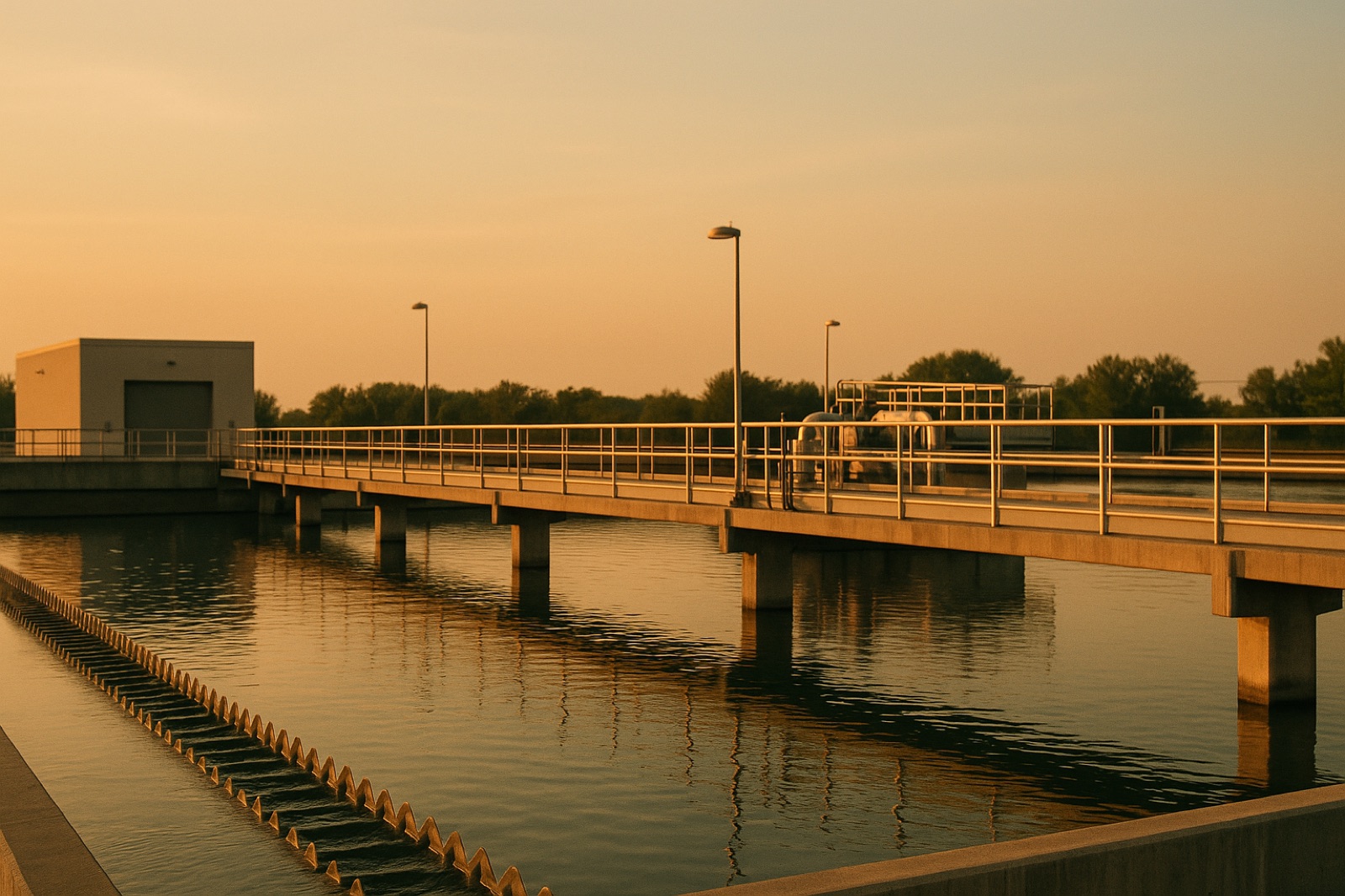
A large public water project can prompt a very small household question: Does this change what comes from my tap?
On Sept. 18, 2026, the U.S. Environmental Protection Agency announced a $251 million Water Infrastructure Finance and Innovation Act loan for improvements to several drinking water treatment plants in two California counties, according to Water Finance and Management’s report on the financing by WFM Staff.
That announcement does not describe conditions in any Midwestern community. It does, however, illustrate a recurring communication challenge here. News about treatment plants, financing and public infrastructure often reaches homeowners without explaining where the public system ends, where household plumbing begins or which questions belong with the utility.
Local water companies can address that gap through education. The useful goal is not to convert every infrastructure headline into a sales pitch. It is to help a homeowner identify the responsible system, gather relevant records and decide whether a service conversation is warranted.
Start with a homeowner question map
A question map organizes education around what a resident notices rather than what a company sells. Begin with five branches: taste or odor, staining or scale, pressure or flow, a test result, and concern prompted by public news.
Each branch should lead to a short sequence. Is the home served by a utility or a private well? Is the issue present at every tap? Does it affect hot water, cold water or both? Did it begin suddenly? Has the utility published a notice? Is there a laboratory report, plumbing invoice or equipment record available?
The map should also identify stopping points. A utility notice belongs with the issuing utility. A neighborhood pressure problem may require a public-system response. A condition isolated to hot water may direct attention toward equipment inside the building. Education becomes trustworthy when it shows homeowners which calls not to make as clearly as which call might help.
Build a five-week local education calendar
Week one can explain the boundary between source water, public treatment, distribution pipes and household plumbing. Week two can show residents how to read a consumer confidence report or other utility communication without treating it as a diagnosis of one address.
Week three can cover household observations, including where a problem appears and when it began. Week four can explain the difference between a screening result, a certified laboratory result and a treatment recommendation. Week five can give homeowners a preparation checklist for contacting a utility, plumber, laboratory or water treatment company.
One subject should carry through the calendar: infrastructure spending does not automatically answer a question about water at a particular faucet. Public projects and household treatment operate at different scales, even when both concern drinking water.
Make the lead form a useful checklist
A qualified inquiry should contain enough information for a responsible first conversation. Ask for the water source, municipality or well status, approximate age of the home, affected fixtures, timing, hot-versus-cold pattern, existing treatment equipment and available test reports. Give residents room to describe what they observed in their own words.
Avoid forcing a homeowner to select a product before the problem is understood. The form should also ask whether the resident has contacted the utility and whether any current notice applies. Those questions can prevent an unnecessary appointment while directing a genuine household issue toward the right next step.
Use a follow-up workflow that preserves context
First, acknowledge the inquiry and repeat the reported concern. Second, route public-system questions toward the utility before discussing household equipment. Third, request only records relevant to the stated problem. Fourth, explain what can and cannot be concluded from the information supplied. Fifth, schedule an assessment only when its purpose is clear.
After the conversation, send a short written recap listing the question, records reviewed, unresolved points and agreed next action. That record helps the homeowner compare options and keeps the company from restarting the interview at every contact.
Write the campaign brief before publishing
A practical brief can fit on one page. Audience: homeowners confused by infrastructure news. Question: Does a public treatment upgrade resolve a concern inside my home? Promise: explain system boundaries and identify the right first contact. Evidence: the cited financing announcement, local utility materials and homeowner-supplied records. Conversion: submit a documented water question, not a request for a predetermined product. Follow-up: acknowledge, route, clarify, assess and recap.
The available audience numbers for midwestwaternews.com are 3,248 page views, 1,804 visitors, 3,332 AI crawls and 1,891 search crawls. No assists, queries or trend series were supplied. Those figures show activity, but they do not establish which subjects produced customers or whether traffic is rising. A campaign should therefore begin with tagged forms and consistent follow-up records before anyone claims performance.
For companies ready to build a local demand system, the durable asset is not a single news reaction. It is a repeatable way to turn public questions into accurate education, properly routed inquiries and documented next steps.