Infrastructure
Infrastructure Challenges in Midwestern Water Systems
Exploring how local water infrastructure faces aging systems and funding gaps.
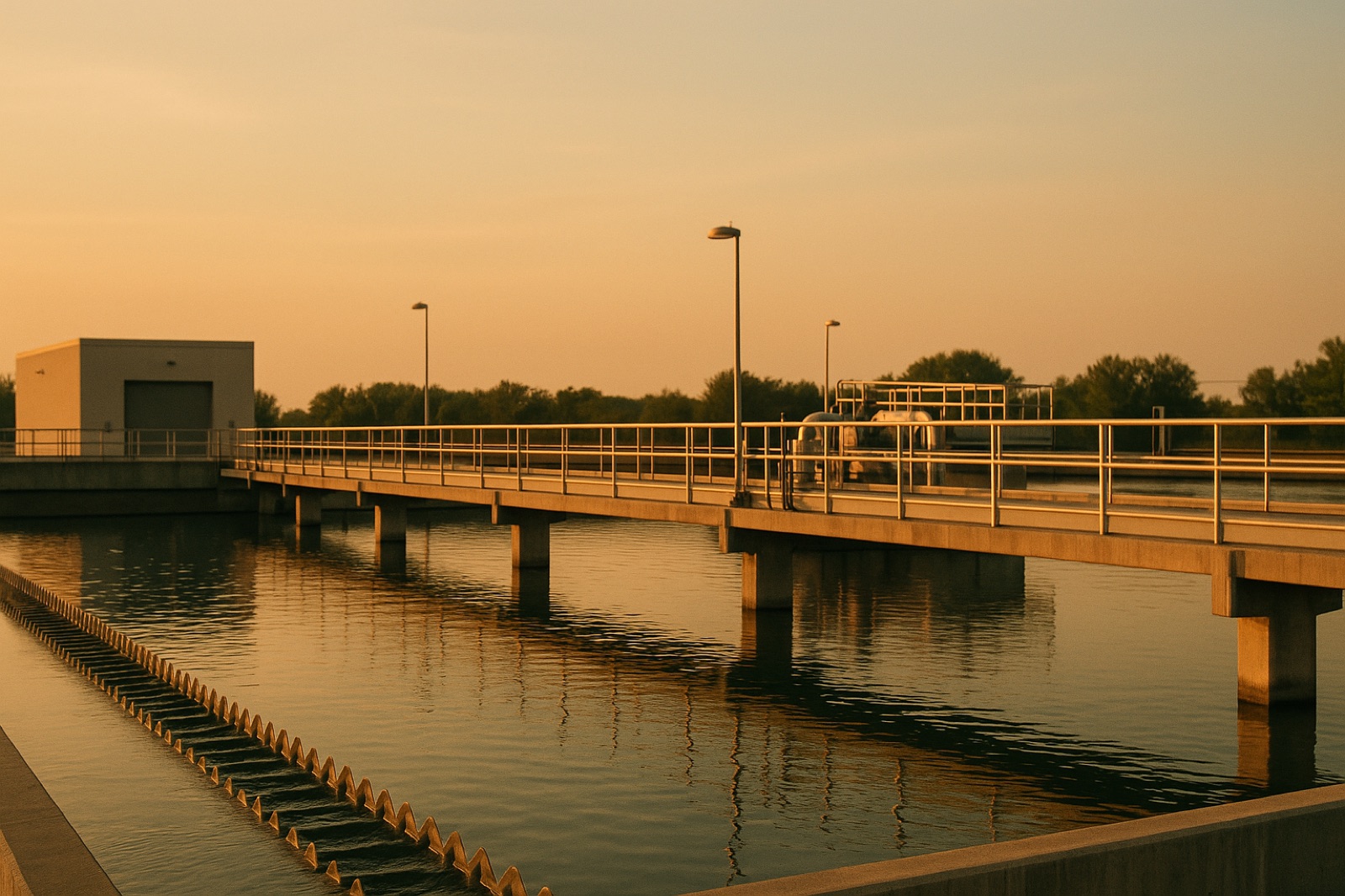
Water infrastructure in the Midwest has become a topic of growing concern as many systems age and struggle to meet modern demands. The challenges facing these systems include deteriorating pipes, insufficient funding for repairs, and regulatory pressures that complicate maintenance and upgrades. As a result, many communities find themselves grappling with the inadequacies of their water delivery and wastewater treatment systems.
The State of Aging Infrastructure
Many of the pipes that transport drinking water and sewage in Midwestern cities were installed decades ago. For example, a significant portion of Chicago's water mains dates back to the early 20th century. Over time, these pipes can corrode or become damaged, leading to water leaks and contamination risks. Cities such as Flint, Michigan, have made national headlines for failures in water management, shedding light on the potential consequences of neglecting infrastructure.
The American Society of Civil Engineers (ASCE) has consistently highlighted the need for substantial investment in water infrastructure across the nation. Aging infrastructure, they argue, poses risks not only to public health but also to the economy. In many cases, municipalities struggle to allocate sufficient funds for necessary upgrades, often relying on patchwork solutions that do not adequately address the underlying issues.
Funding Challenges
Funding for water infrastructure improvements often comes from a combination of local, state, and federal sources. However, the reality is that many communities face significant hurdles in obtaining this funding. State and federal grants may be limited, and local budgets are frequently stretched thin. As a result, many municipalities are forced to prioritize urgent repairs over long-term improvements.
For example, the Plastics Pipe Institute, Inc. (PPI) recently issued an advisory regarding certain crosslinked polyethylene (PEX) tubing products used in water systems. The advisory raised concerns about compliance with safety standards, emphasizing the importance of using certified materials in water infrastructure. This situation highlights not only the importance of maintaining existing systems but also the need for vigilance in the materials used in new construction and repairs. The PPI noted, “certain PEX tubing products may not comply with and are not third-party certified to mandatory” standards, which further complicates the landscape of water management and underscores the necessity for stringent quality control measures in infrastructure projects. You can read more about this advisory in the Water Finance and Management article.
Innovative Solutions on the Horizon
Despite these challenges, there are innovative approaches that some municipalities are taking to improve their water infrastructure. Collaborative efforts between local governments, private companies, and non-profit organizations can yield significant benefits. For instance, cities are increasingly exploring public-private partnerships (PPPs) to fund and manage water projects. These arrangements can help leverage private investment to address public needs while sharing risks and responsibilities.
Additionally, some communities are adopting advanced technologies to better manage their water systems. For example, smart water management systems can provide real-time data on water usage and infrastructure condition, allowing municipalities to respond more swiftly to leaks and other issues. These technologies not only improve operational efficiency but also enhance accountability and transparency in water management.
The Role of Community Engagement
Ultimately, addressing the infrastructure challenges in Midwestern water systems requires a concerted effort from stakeholders at all levels, including local governments, residents, and advocacy groups. Community engagement is vital in advocating for necessary funding and prioritizing infrastructure projects. Public awareness campaigns can help inform residents about the importance of maintaining water systems and the potential impacts of deterioration on public health and safety.
As the Midwest grapples with these pressing infrastructure issues, it is essential for communities to come together to seek solutions and advocate for investment in their water systems. As seen in various regions facing similar challenges, proactive measures can make a significant difference in maintaining reliable and safe water systems for future generations.