Infrastructure
Understanding the Role of Water Meters in Sustainable Water Management
Exploring how advancements in water metering can enhance the efficiency and sustainability of water systems in the Midwest.
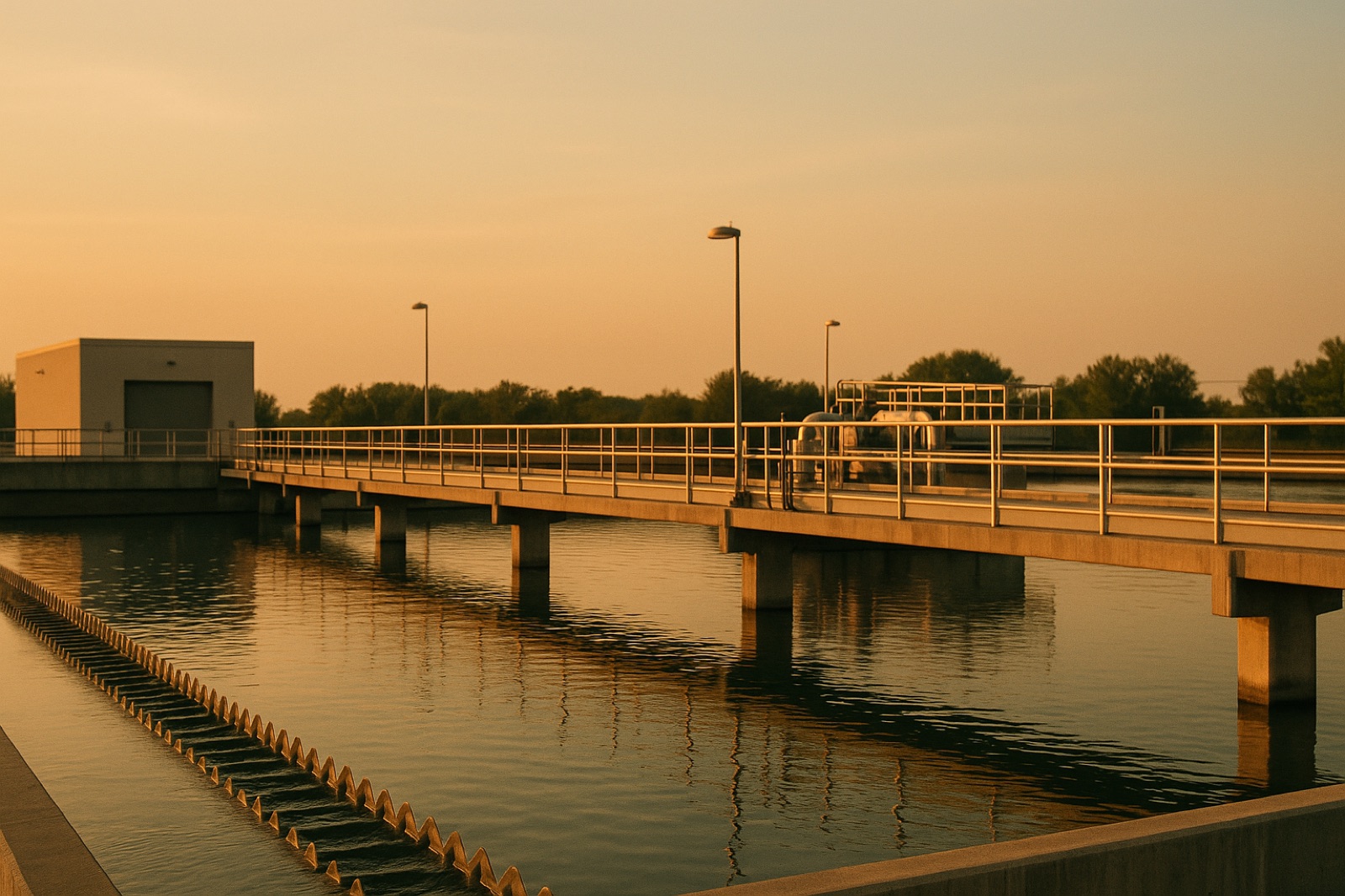
Water systems in the Midwest face a range of challenges, from aging infrastructure to fluctuating demand due to climate change. As communities strive to improve the efficiency and sustainability of their water systems, one technological advancement stands out: modern water metering.
The Importance of Accurate Water Metering
Water meters are essential tools that measure the volume of water delivered to households and businesses. Accurate metering is crucial for billing purposes, resource management, and leak detection. Traditional water meters, while effective, can become inaccurate over time, leading to revenue loss for utilities and higher costs for consumers.
Recent innovations in water metering technology, particularly the deployment of smart meters, are changing the landscape of water management. For instance, Xylem’s Sensus iPERL® water meters have been adopted by utilities worldwide to address these issues. These advanced meters provide real-time data, allowing utilities to monitor water usage more closely and respond quickly to changes in demand.
Benefits of Smart Water Meters
Smart water meters offer several advantages over their traditional counterparts. First and foremost, they facilitate better water conservation efforts. By giving consumers access to real-time usage data, smart meters empower individuals to modify their water consumption behaviors. This is particularly important in the Midwest, where droughts and fluctuating rainfall can strain water resources.
Moreover, these meters enhance utilities' ability to manage their infrastructure proactively. By identifying leaks and inefficiencies quickly, utilities can save water and reduce costs associated with untreated water loss. This aspect is increasingly vital as many Midwest communities grapple with aging water infrastructure that requires significant investment to maintain and upgrade.
Challenges and Considerations
Despite the clear benefits, the transition to smart water metering is not without challenges. Initial installation costs can be high, and some communities may lack the necessary funding or technical expertise to implement these systems effectively. Furthermore, there can be hesitance from consumers regarding data privacy and security associated with real-time monitoring.
Utilities and community leaders must address these concerns through transparent communication and education. Involving community stakeholders in discussions about the benefits of smart metering and ensuring data protection measures are in place can help build trust and support for these initiatives.
Looking Ahead
As the Midwest continues to confront water-related challenges, the role of innovative technologies like smart water meters will likely expand. With the pressure of climate change and the need for sustainable practices, there is a strong incentive for utilities to invest in advanced metering solutions that promote efficiency and conservation.
Furthermore, as highlighted in a recent article from The Guardian, access to essential resources like water could become increasingly pivotal in the face of extreme weather patterns. Efficient water management through advanced metering will be crucial for maintaining water accessibility across the region.
In conclusion, modern water metering systems represent a promising step towards sustainable water management in the Midwest. By enhancing accuracy and responsiveness in water consumption tracking, these technologies can help utilities, consumers, and communities work together to ensure a stable water supply for generations to come.