Infrastructure
The Future of Water Resources in the Midwest: A Look at Infrastructure Needs
Exploring the pressing infrastructure improvements needed to sustain water resources in the Midwest.
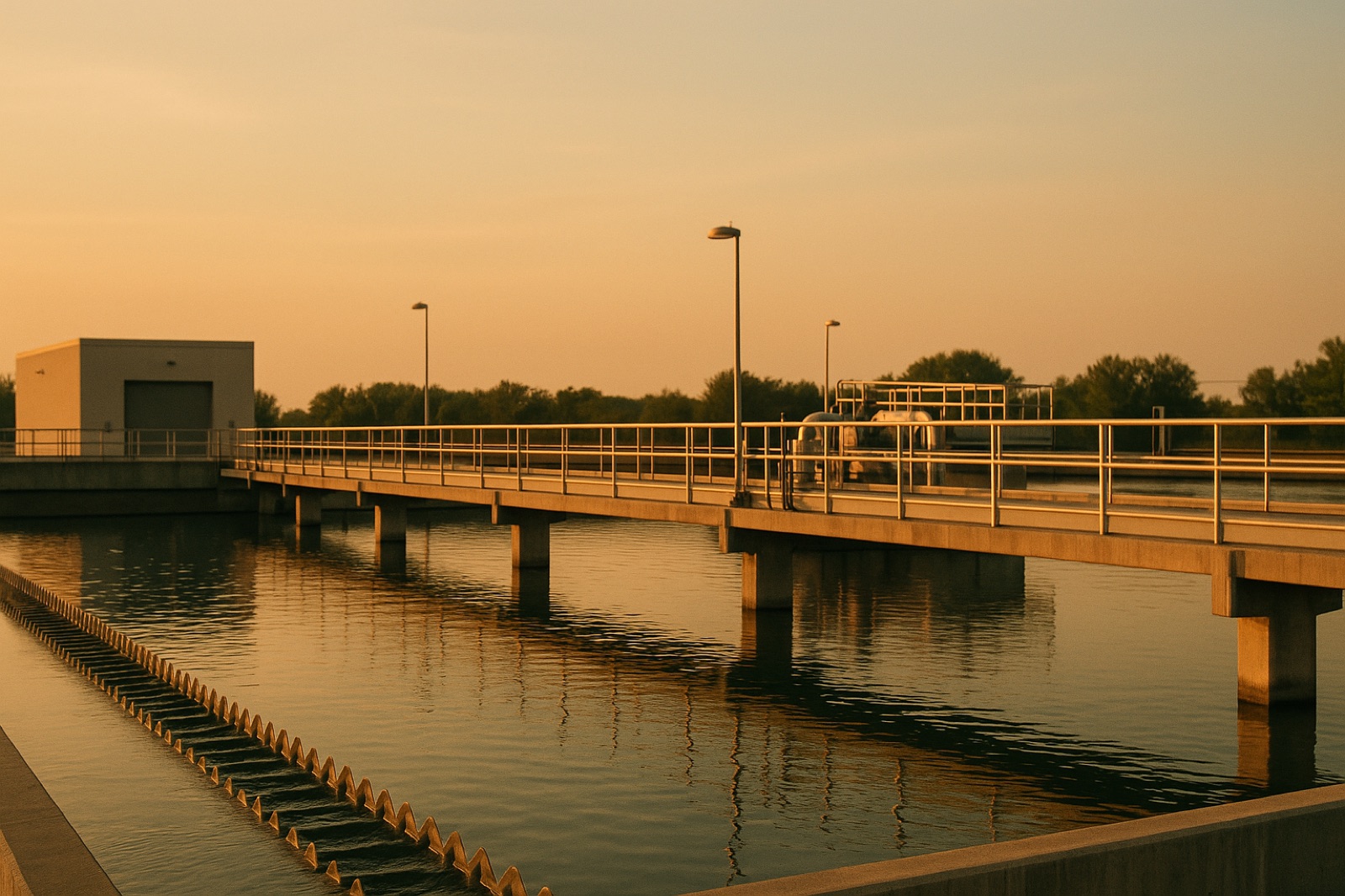
The Midwest is home to a complex network of water systems that serve millions of residents, providing crucial resources for drinking, agriculture, and industry. As climate change continues to pose challenges, understanding the state of our water infrastructure becomes increasingly vital.
Current Challenges Facing Water Infrastructure
Across the region, many water systems grapple with aging infrastructure that is not equipped to handle modern demands. Issues such as lead contamination, sewer overflows, and inadequate filtration systems raise significant concerns about the safety and reliability of drinking water. Local governments and utilities often face budget constraints that hinder the timely upgrades of these essential systems.
The recent focus on climate resilience has highlighted the vulnerabilities of many water systems. According to a The Guardian article by Mark Wolfe, "the next great climate divide will be between countries that have the resources to adapt and those that don’t." This reality is no different in the Midwest, where the ability to invest in water infrastructure is critical for both urban and rural areas.
The Role of Funding and Policy
Funding for water infrastructure projects often comes from a combination of federal, state, and local sources. The federal government has historically provided grants and loans through programs like the Clean Water State Revolving Fund and the Drinking Water State Revolving Fund. However, these resources may not be enough to address the comprehensive needs of aging systems.
In recent years, there has been a push for increased federal investment in infrastructure as part of broader economic recovery efforts. This funding is crucial not only for replacing old pipes but also for implementing advanced technologies that can enhance water quality monitoring and management.
Innovative Solutions and Community Involvement
Local communities are exploring various innovative solutions to improve water infrastructure. Many cities are adopting green infrastructure practices, such as rain gardens and permeable pavements, to manage stormwater effectively and reduce runoff into existing water systems. These methods not only help with flood management but also improve the overall quality of water entering local waterways.
Community involvement plays a significant role in the success of these initiatives. Public awareness campaigns can educate residents on water conservation practices and the importance of maintaining local water resources. Encouraging citizen participation in monitoring water quality and reporting issues can also enhance transparency and accountability.
Looking Ahead: A Sustainable Water Future
As the Midwest confronts the realities of climate change, the need for sustainable water infrastructure becomes increasingly pressing. Addressing the challenges posed by aging systems and inadequate funding requires a concerted effort from all stakeholders, including governments, utilities, and residents.
Improving water infrastructure is not just about replacing old pipes; it involves a comprehensive approach that considers long-term sustainability and resilience. As highlighted in a separate article from Circle of Blue, climate change impacts are already being felt globally, with saltwater intrusion threatening freshwater sources in regions like Gambia. The Midwest must learn from these challenges and proactively invest in infrastructure that can withstand changing environmental conditions.
In conclusion, the future of water resources in the Midwest hinges on our ability to recognize and address the pressing infrastructure needs of our communities. By embracing innovative solutions, securing necessary funding, and fostering community involvement, we can pave the way for a resilient and sustainable water future.