Infrastructure
Turn a Water Conference Week Into a Local Homeowner Education Campaign
A practical field guide helps water companies move from industry news to useful local answers, organized follow-up and qualified homeowner inquiries.
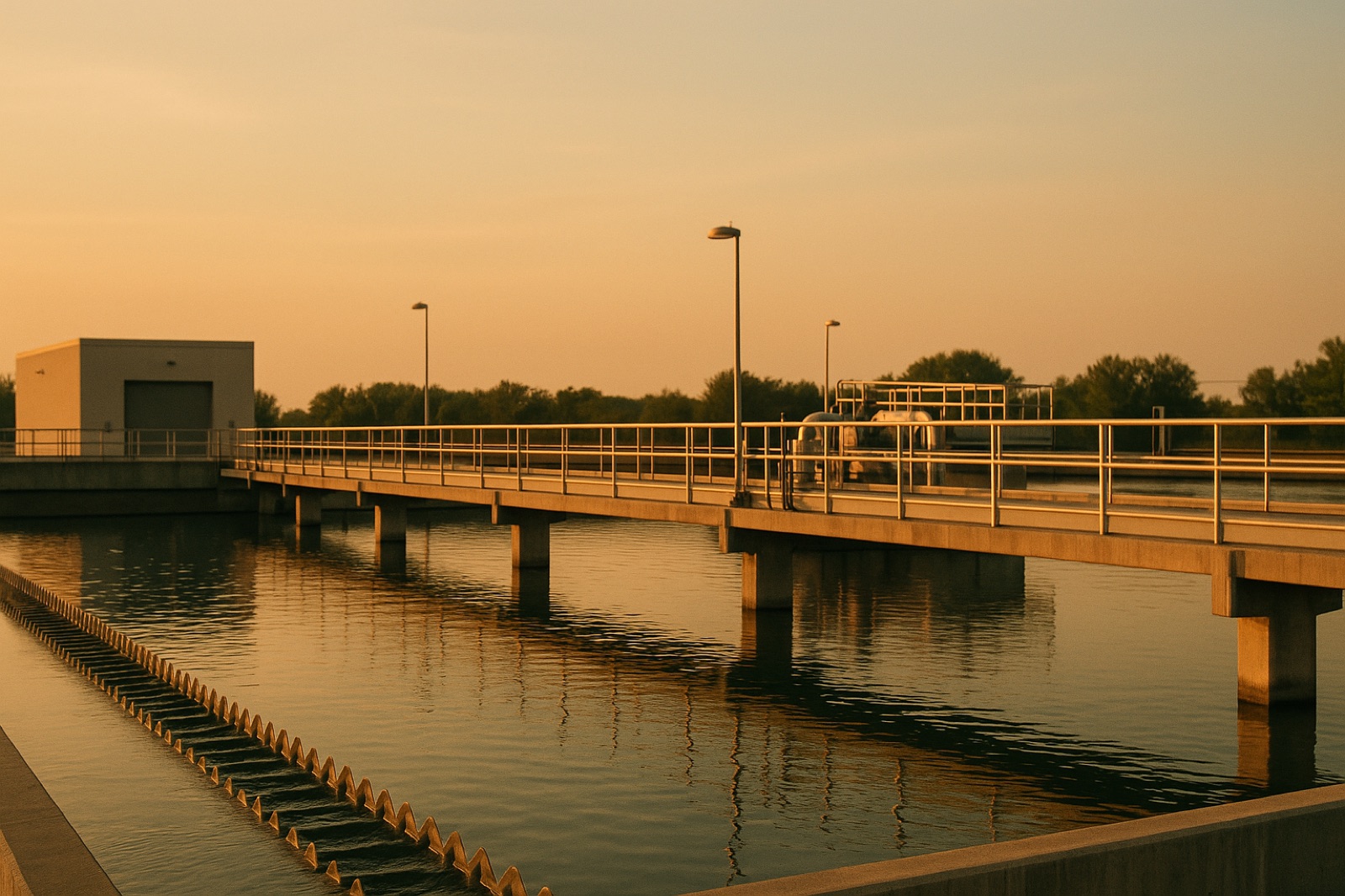
North America’s water sector is gathering around a crowded agenda this week. Water Finance and Management staff report that WEFTEC will return to New Orleans from September 26 to 30, with more than 23,000 registrants and 1,000 exhibitors expected. The outlet describes it as the continent’s largest annual water quality conference. Its preview of WEFTEC 2026 offers a useful reminder for Midwest water companies: Industry attention creates a short window for translating technical subjects into answers homeowners can use.
That translation should not begin with a sales offer. It should begin with the questions residents already bring to the kitchen sink, basement, pressure tank or utility bill. A local company that answers those questions clearly can earn inquiries from people who understand their problem well enough to describe it.
Start with a homeowner question map
Build the map around situations, not product categories. Municipal water customers may ask why water tastes different, what a utility notice means or whether a household device requires maintenance. Private well owners may ask about sampling, changes in odor, pressure loss or what to document after flooding. A homeowner comparing equipment may need help separating treatment goals, installation requirements and continuing operating costs.
For every question, identify the responsible source. Utility questions may belong with the local water provider. Well construction and testing information may come from state or county agencies. Equipment questions may require the manufacturer’s documentation and an inspection of the individual home. Saying where a company’s answer ends is part of useful education.
Put education on a local calendar
A conference week can supply a timely starting point, but the calendar should follow homeowner needs. Assign one question to each week, then choose a format appropriate to it: a short article, a printable checklist, a frequently asked questions page or an invitation to a local educational session.
Each entry should include a publication date, intended audience, source documents, reviewer and next action. Seasonal timing matters, but avoid implying that every household faces the same risk. A well owner preparing for spring flooding needs different information from a municipal customer comparing treatment equipment in September.
Capture enough information to qualify the inquiry
A useful response form does not need to become an interrogation. Ask for the homeowner’s ZIP code, water source, main concern, when it began and whether testing or utility notices are available. Include a choice of preferred contact method and permission to follow up.
Do not make a product recommendation from a single symptom. An odor, stain or pressure complaint can have more than one explanation. The form should help determine whether the next step is a phone conversation, document review, water test or on-site assessment.
The checklist for every inquiry is simple: contact details, service area, water source, stated problem, existing records, urgency in the homeowner’s own words, consent and assigned staff member. That is enough to distinguish a relevant local request from a casual page visit.
Use a visible follow-up workflow
Send an acknowledgment that repeats what the homeowner submitted. Assign the inquiry to a person, record the next action and set a follow-up date. After contact, classify the result: education only, outside service area, referral needed, assessment scheduled or no response. Preserve the original question because it may reveal where the website remains unclear.
The available Midwest Water News figures provide a baseline, not a performance verdict: 3,248 page views, 1,804 visitors, 3,332 AI crawls and 1,891 search crawls. No assists, queries or trend series were supplied. Those numbers show that pages were accessed and crawled, but they do not establish which topics produced qualified leads or whether readership increased. That requires consistent form, call and appointment tracking.
A sample campaign brief
Audience: homeowners in the company’s verified service area. Question: What information should I gather before asking about a water problem? Promise: a one-page record covering water source, symptoms, timing, test results and existing equipment. Evidence: local utility or agency documents, manufacturer instructions and facts confirmed by the homeowner. Conversion: request a review of the completed record. Follow-up: acknowledgment, staff assignment, appropriate next step and outcome code. Measurement: completed forms, reachable local households, assessments and questions that identify missing educational pages.
Companies ready to connect that calendar, intake and follow-up process can build a local demand system. The public-facing work should still stand on its own: answer a real water question, identify the limits of the answer and give the homeowner a sensible route forward.